
 Pin to Pinterest
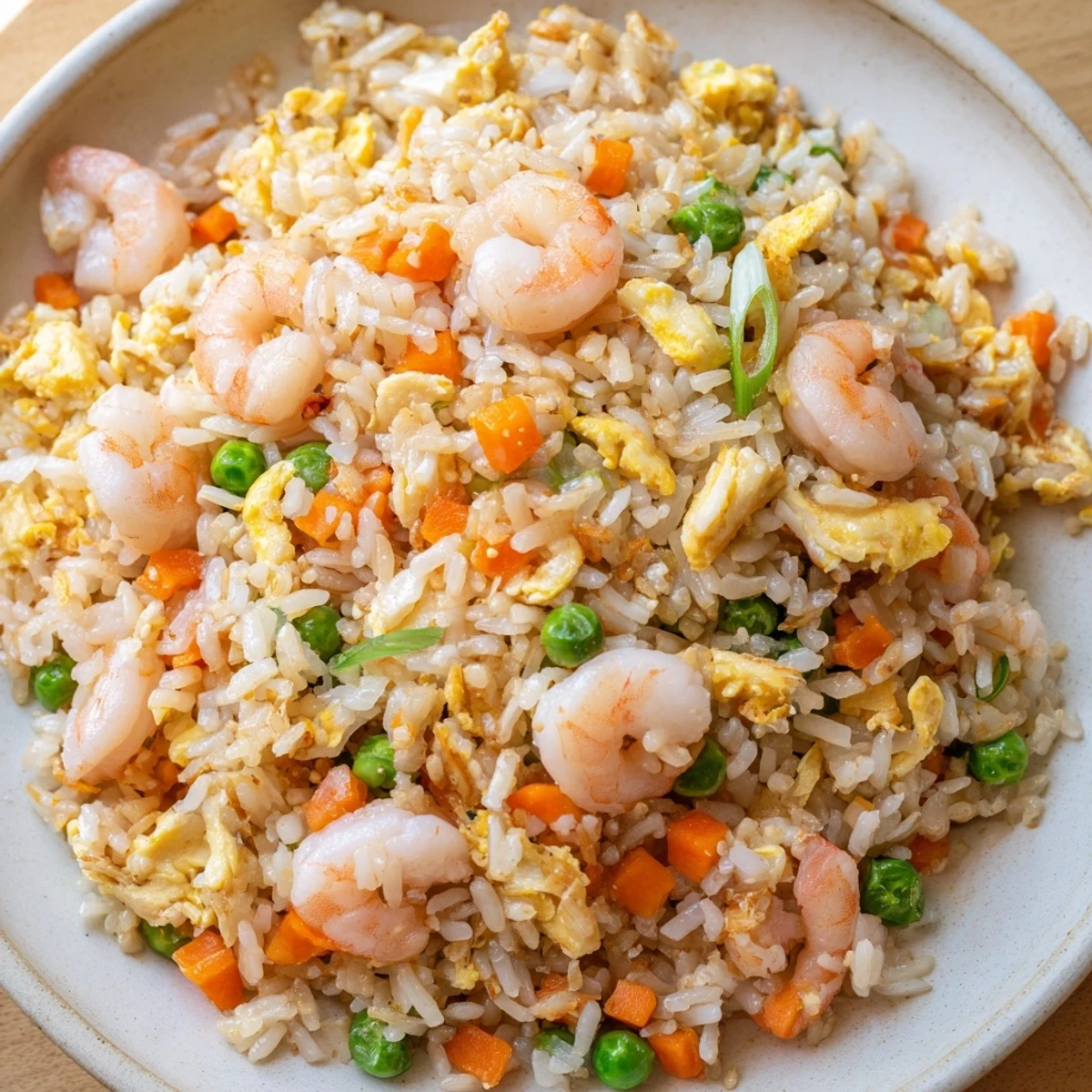
 This classic Chinese dish transforms simple ingredients into a satisfying meal. Day-old jasmine rice gets tossed with plump shrimp, colorful vegetables, and aromatic seasonings in a hot wok. The secret lies in high heat cooking and proper timing—each component retains its texture while absorbing those savory soy and sesame notes. Perfect for weeknight dinners, this versatile dish comes together in just 30 minutes and serves four hungry people.
The smell of sesame oil hitting a hot wok instantly transports me back to my tiny college apartment, where a beat-up electric skillet was my prized possession. My roommate and I would take turns making fried rice after late-night study sessions, always arguing over whose technique produced better grains. She taught me the secret of using cold, day-old rice, and honestly, that one tip changed my entire relationship with leftover rice.
Last summer, my nephew declared he wanted to learn how to cook "real restaurant food." We stood side by side in my kitchen, him carefully scrambling eggs while I showed him how to toss the rice without sending half of it onto the floor. That night, he proudly served his family dinner, beaming like hed just conquered a mountain, and I realized fried rice is basically the gateway drug to falling in love with cooking.
Ingredients
- 300 g medium shrimp: Day-old, cold rice is non-negotiable here because fresh rice turns into mush, and nobody wants sad, clumpy fried rice
- 4 cups cooked jasmine rice: These will become sweet little bursts of color and texture throughout every bite
- 1 cup frozen peas and carrots: Onion builds that aromatic foundation while garlic adds that irresistible punch
- 1 small onion and 2 cloves garlic: They create those silky ribbons throughout the dish and add a fresh finish
- 2 green onions: Using cold rice means every grain stays separate and gets properly coated in all those delicious sauces
- 2 large eggs: This combination creates that perfect balance of salty, savory, and aromatic
- 3 tbsp soy sauce and 1 tbsp oyster sauce: A tiny amount goes a long way in adding that nutty, toasted flavor
- 1 tsp sesame oil: White pepper gives a cleaner heat than black, letting the other flavors shine
- ½ tsp white pepper: You need a neutral oil with a high smoke point for proper stir-frying
- 2 tbsp vegetable oil: The first batch goes to the shrimp, while the second carries us through the vegetables
Instructions
- Cook the shrimp first:
- Heat 1 tablespoon of oil in your wok over medium-high heat, add the shrimp, and stir-fry for 2-3 minutes until they turn perfectly pink.
- Sauté the aromatics:
- Add the remaining oil along with onion and garlic, stir-frying for 1-2 minutes until fragrant and translucent.
- Scramble the eggs:
- Push everything to one side, pour in beaten eggs, and scramble gently until just set.
- Combine vegetables and rice:
- Mix in peas and carrots, add the cold rice while breaking up clumps, and stir-fry for 2-3 minutes until heated through.
- Season and finish:
- Return shrimp to the wok, add soy sauce, oyster sauce, sesame oil, and white pepper, then stir-fry 2 more minutes.
- Add final touches:
- Stir in green onions, adjust seasoning if needed, and serve immediately.
 Pin to Pinterest
 This recipe became my go-to comfort food after a particularly brutal breakup. There was something deeply therapeutic about the rhythm of stir-frying, the sizzle of the pan, and knowing I could create something nourishing and delicious even when everything else felt uncertain.
The Rice Secret
After years of making fried rice with freshly cooked grains and wondering why it never tasted quite right, I finally understood why Chinese recipes always specify day-old rice. The moisture content changes overnight, creating those separate, chewy-tender grains that restaurant fried rice is famous for, and now I always cook extra rice just to have leftovers waiting in the fridge.
Mastering the Wok
Proper wok technique is all about keeping ingredients moving and not overcrowding the pan. When I first started, I would dump everything in at once, which steams the food instead of stir-frying it, but now I work in batches and keep the heat high enough that ingredients sizzle immediately upon contact.
Building Your Perfect Bowl
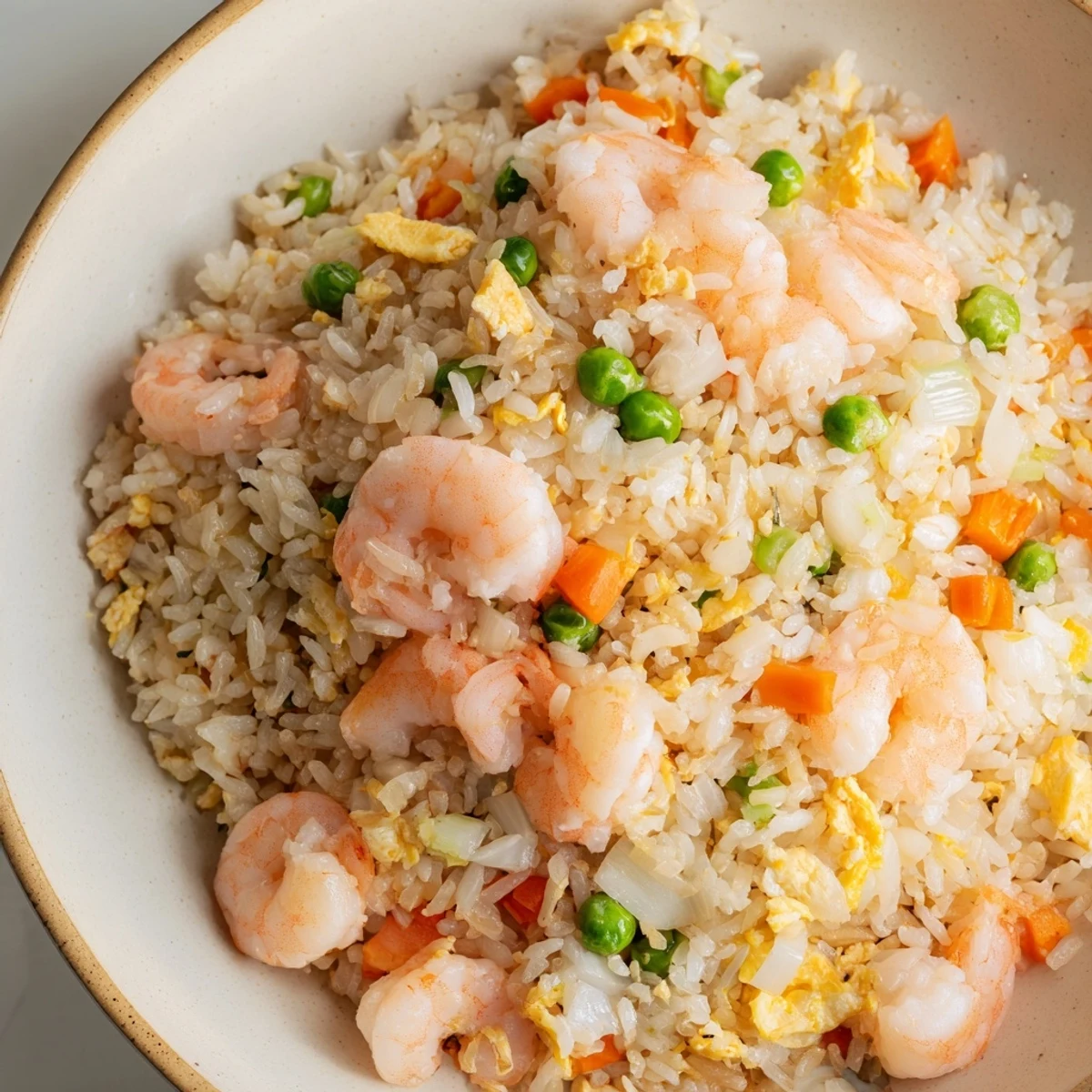
What I love most about fried rice is its infinite adaptability. You can swap shrimp for chicken, tofu, or just load up on more vegetables, and the basic technique remains exactly the same, making it one of the most forgiving and flexible dishes to master.
- Prep all ingredients before turning on the stove, as stir-frying moves too fast for mid-cooking chopping
- Let your wok get properly hot before adding oil to prevent sticking and ensure good sear
- Taste and adjust seasonings at the end, as different soy sauce brands vary wildly in saltiness
 Pin to Pinterest
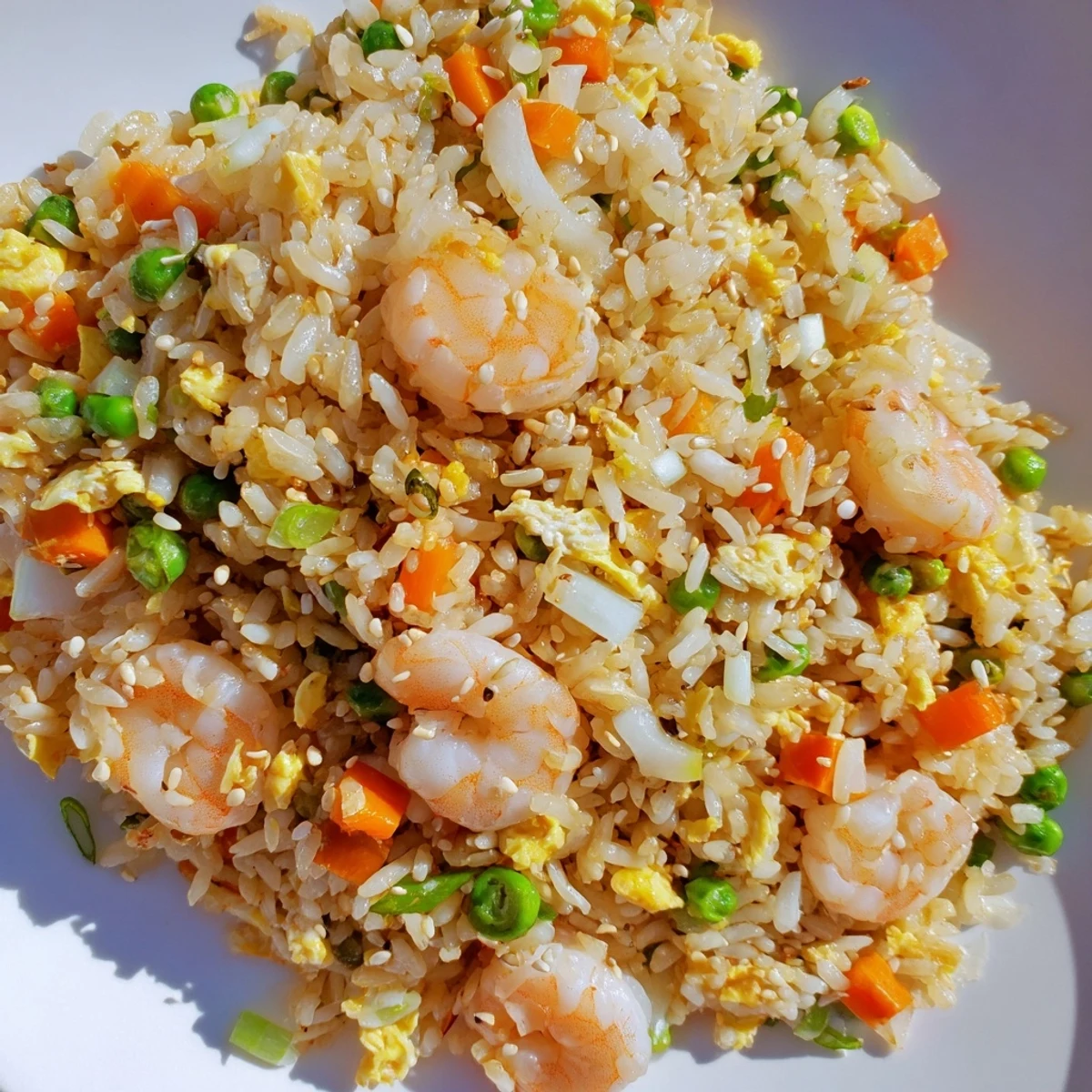
 This shrimp fried rice has saved me on countless hectic weeknights, proving that some of the most satisfying meals come from humble ingredients and a little bit of confidence at the stove.
Recipe FAQs
- → Why use day-old rice for fried rice?
-
Day-old rice has lower moisture content, preventing mushy texture during stir-frying. The grains separate easily and achieve that perfect fluffy, slightly chewy consistency characteristic of restaurant-quality fried rice.
- → Can I use fresh rice instead?
-
Fresh rice works if spread on a baking sheet and chilled for 1-2 hours to dry out. Alternatively, reduce liquid slightly when cooking and spread the rice to cool completely before using.
- → What proteins can substitute for shrimp?
-
Diced chicken breast, pork loin, or firm tofu work beautifully. Cook your chosen protein first following the same timing as shrimp—until just cooked through, then set aside before adding back at the end.
- → How do I prevent the eggs from overcooking?
-
Push vegetables to one side, pour eggs into the empty space, and scramble gently. Remove from heat while still slightly runny—they'll finish cooking when mixed with rice and other ingredients.
- → What's the best wok temperature for fried rice?
-
Medium-high heat creates the ideal balance. Too low and ingredients steam instead of fry; too high risks burning aromatics. The oil should shimmer but not smoke when adding ingredients.
- → Can I make this dish gluten-free?
-
Absolutely. Substitute regular soy sauce with tamari or coconut aminos, and choose gluten-free oyster sauce. All other ingredients are naturally gluten-free, making adaptations simple.