
 Pin to Pinterest
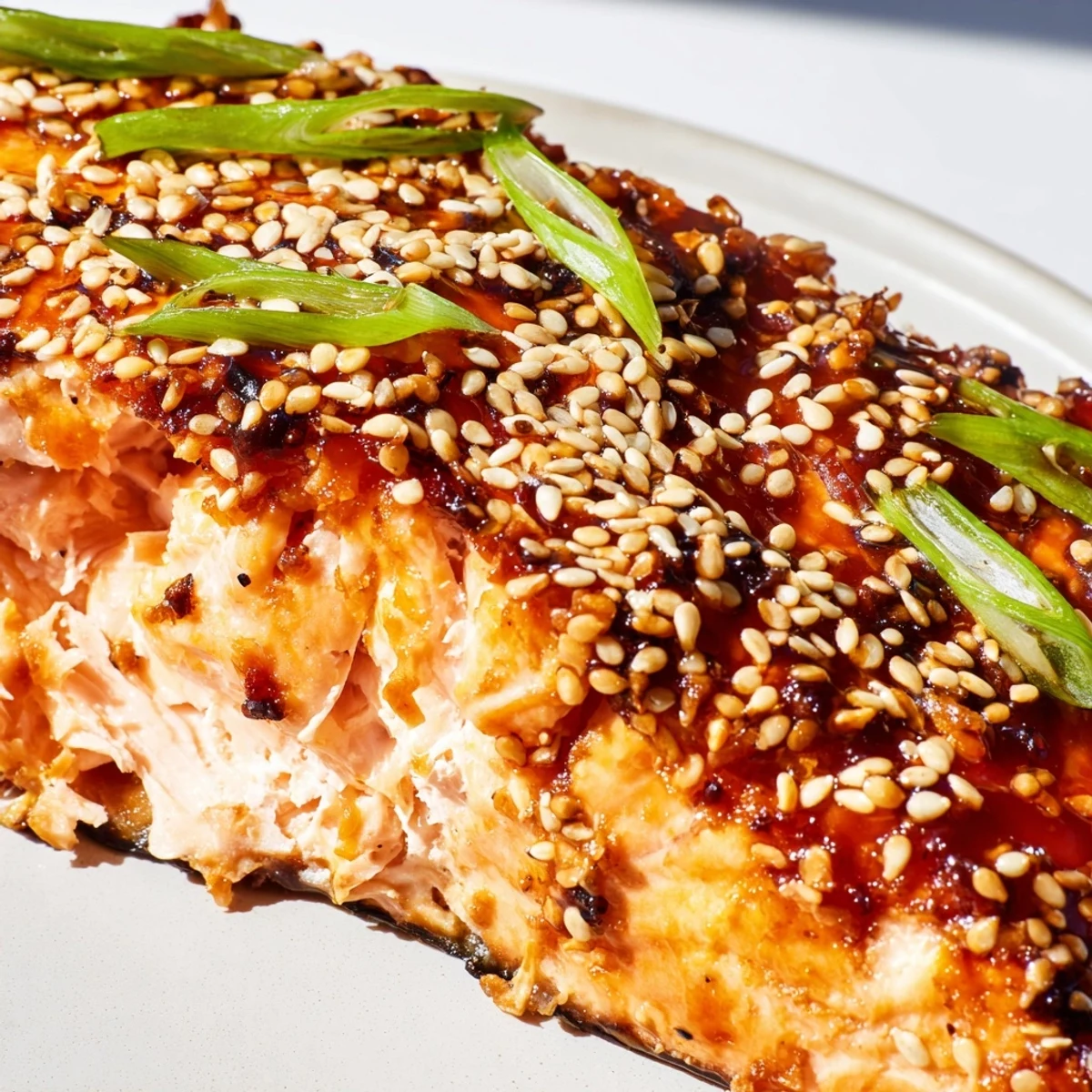
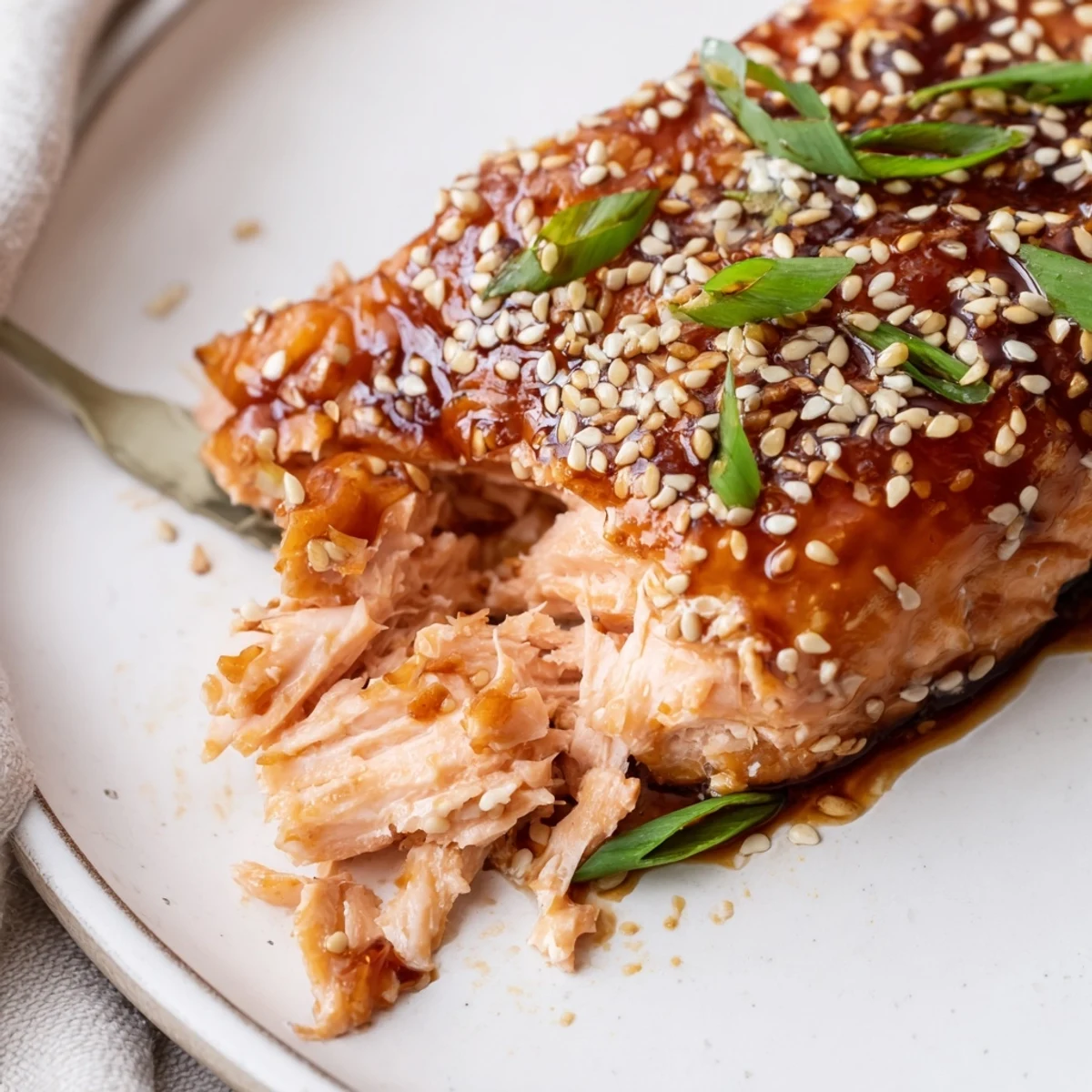
 This dish features tender salmon fillets baked to flaky perfection with a sweet and savory teriyaki glaze. The glaze is made by simmering soy sauce, honey, mirin, rice vinegar, sesame oil, garlic, and ginger until thickened. Salmon fillets are brushed with half the glaze before baking at 400°F, then coated again and finished with toasted sesame seeds and sliced green onions. Optional lime wedges add a fresh zest. Serve it alongside steamed jasmine rice or sautéed greens for a complete meal.
For deeper flavor, marinate the salmon in the glaze before baking. Variations include swapping honey with maple syrup for a vegan-friendly glaze and substituting tofu in place of salmon.
There's something magnetic about the smell of salmon hitting a hot oven, mixed with the sweet caramel notes of teriyaki sauce. I discovered this combination on a weeknight when I had company coming and wanted something that felt fancy but required minimal fuss. The glaze came together in the time it took to preheat the oven, and by the time my guests arrived, the kitchen smelled like a restaurant they'd been wanting to visit. That's when I knew this would become a regular rotation.
My sister tasted this for the first time at a casual Sunday dinner, and she immediately asked for the recipe because her kids—who are notoriously picky—cleaned their plates. That moment meant more to me than any compliment about technique. Now when she makes it at home, she texts me photos of the finished dish, and somehow that's become our thing.
Ingredients
- Salmon fillets (4, about 6 oz each): Look for fillets that feel firm and smell clean, not fishy; the fresher the salmon, the better it takes to the glaze and the less it will stick to your pan.
- Low-sodium soy sauce (1/3 cup): Regular soy sauce will make the glaze unbearably salty, so don't skip the low-sodium option unless you're deliberately adjusting for other ingredients.
- Honey or maple syrup (3 tablespoons): This is what rounds out the sharp flavors and gives the glaze its glossy, caramel-like finish.
- Mirin (2 tablespoons): If you can't find it, dry sherry works fine; it adds depth that plain sugar can't match.
- Rice vinegar (1 tablespoon): Just enough to cut through the richness and keep the sauce from tasting one-dimensional.
- Toasted sesame oil (2 teaspoons): A little goes a long way; regular sesame oil tastes flat by comparison, and toasted gives you that nutty, roasted aroma.
- Garlic and ginger (2 cloves and 1 teaspoon): Fresh is non-negotiable here; bottled will taste muddled and stale.
- Cornstarch slurry (1 teaspoon mixed with 2 teaspoons water): This thickens the glaze just enough to cling to the salmon without being gelatinous or heavy.
- Toasted sesame seeds (1 tablespoon): Toast them yourself if you have time; it takes 3 minutes in a dry pan and makes a noticeable difference in flavor.
- Green onions (2, thinly sliced): These add freshness and a subtle bite that balances the sweetness of the glaze.
Instructions
- Get your oven ready and prepare your stage:
- Heat your oven to 400°F and line a baking sheet with parchment paper. This small step saves you from scrubbing later and gives the salmon room to bake evenly without sticking.
- Dry and season the salmon:
- Pat each fillet with a paper towel to remove surface moisture, then sprinkle both sides with salt and pepper. Lay them skin-side down on your prepared sheet, and don't crowd them—they should have a little breathing room.
- Build the glaze:
- In a small saucepan over medium heat, combine soy sauce, honey, mirin, rice vinegar, sesame oil, garlic, and ginger. Let it come to a gentle simmer; you're not looking for an aggressive boil, just enough movement to meld the flavors together.
- Thicken with the slurry:
- Add your cornstarch mixture and stir constantly for about 1 to 2 minutes until the glaze coats the back of a spoon and looks glossy rather than watery. Remove it from heat right away—it will continue to thicken slightly as it cools.
- First coat goes on:
- Using a basting brush, coat half the glaze over the salmon fillets, making sure to get the edges. Don't be timid; let the glaze pool a little around each fillet.
- Bake until just cooked through:
- Slide the baking sheet into your oven for 12 to 15 minutes, depending on how thick your fillets are. The salmon is done when it flakes easily with a fork and the thickest part reaches 145°F if you're using a thermometer, but honestly, you'll know by how it looks—it should have lost its translucent quality.
- Final gloss and garnish:
- Remove from the oven and immediately brush with the remaining glaze while the salmon is still hot. Top with toasted sesame seeds and sliced green onions, and serve with lime wedges if you want an extra brightness.
 Pin to Pinterest
 I'll never forget the moment my grandmother tried this dish and said it reminded her of the teriyaki chicken we used to order at a restaurant she loved but was no longer open. She asked me to make it again the next week, and then the week after that, and suddenly it became the dish I made whenever she visited. That's when I realized food isn't really about being complicated—it's about being memorable.
The Magic of a Quick Glaze
One of the lessons I've learned about glazes is that they don't need to be fussy to be effective. This one comes together in minutes because you're building on the foundation of soy sauce and honey, two flavors that already know how to work together. The key is respecting the ratios and not trying to add ten more things in hopes of making it taste better; restraint is what makes it shine.
Choosing and Preparing Salmon
When you're buying salmon, ask the fishmonger if it was frozen or fresh from the previous day. Honestly, frozen salmon that's been thawed properly is often fresher than what's labeled fresh because it was frozen immediately after catching. Pat your fillets dry before seasoning—that moisture is the enemy of proper browning and can make your glaze slide right off. Skin-on or skinless doesn't matter flavor-wise, but skin-on gives you a natural handle for flipping if you prefer, and it gets crispy in the oven if you're into that.
Timing and Serving Suggestions
The entire process from pounding garlic to plating takes less than 30 minutes, which makes this a weeknight lifesaver. Serve it alongside steamed jasmine rice to soak up any glaze that drips onto the plate, or with roasted bok choy for a vegetable that stands up to bold flavors. If you want to go lighter, a simple salad with a ginger-lime dressing bridges the gap beautifully and echoes the flavors already on the plate.
- If you have time, marinate the salmon in the glaze for 30 minutes before baking to let the flavors sink deeper into the flesh.
- Leftover salmon reheats gently in a 300°F oven for about 5 minutes, or you can eat it cold the next day with cucumber slices and a squeeze of lime.
- The glaze thickens as it cools, so if you need to store it separately, thin it with a teaspoon of water when you reheat it.
 Pin to Pinterest
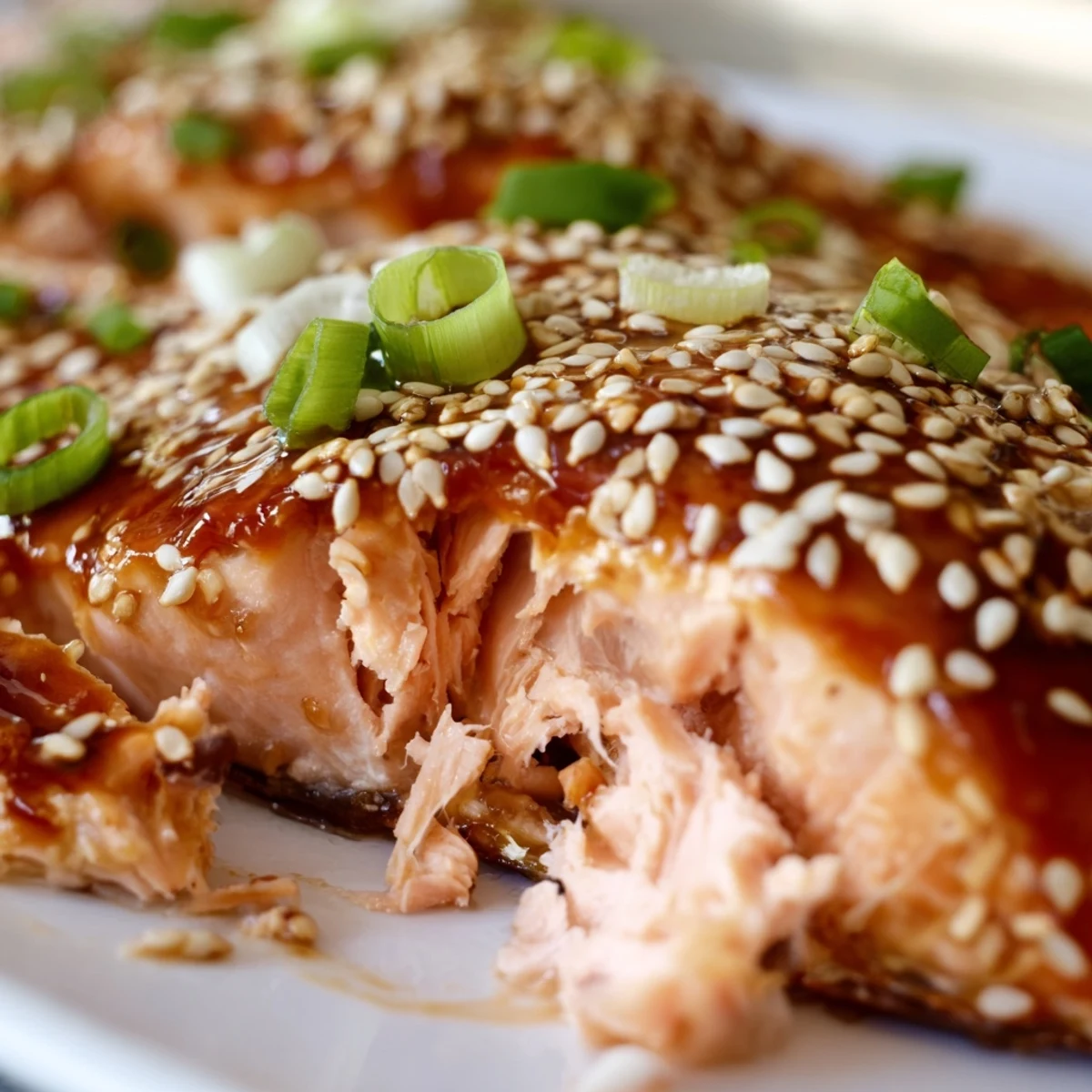
 This salmon has become the dish I return to again and again because it sits in that perfect space between impressive and approachable. Make it for yourself on a Tuesday, or make it for people you want to feel cared for—it works either way.
Recipe FAQs
- → How do I prevent the salmon from drying out?
-
Pat salmon dry before seasoning and avoid overbaking. Brushing the fillets with glaze before and after baking helps retain moisture.
- → Can I make the teriyaki glaze ahead of time?
-
Yes, the glaze can be prepared in advance and stored in the refrigerator for up to 3 days to enhance flavors.
- → What is the best way to bake salmon evenly?
-
Arrange fillets skin-side down on a lined baking sheet and bake at 400°F for 12-15 minutes depending on thickness for even cooking.
- → Are there suitable substitutes for mirin in the glaze?
-
Dry sherry or a mix of rice vinegar with a pinch of sugar can replace mirin while keeping the glaze balanced.
- → How can I make this dish gluten-free?
-
Use certified gluten-free soy sauce or tamari to keep the glaze gluten-free without altering the flavor.