
 Pin to Pinterest
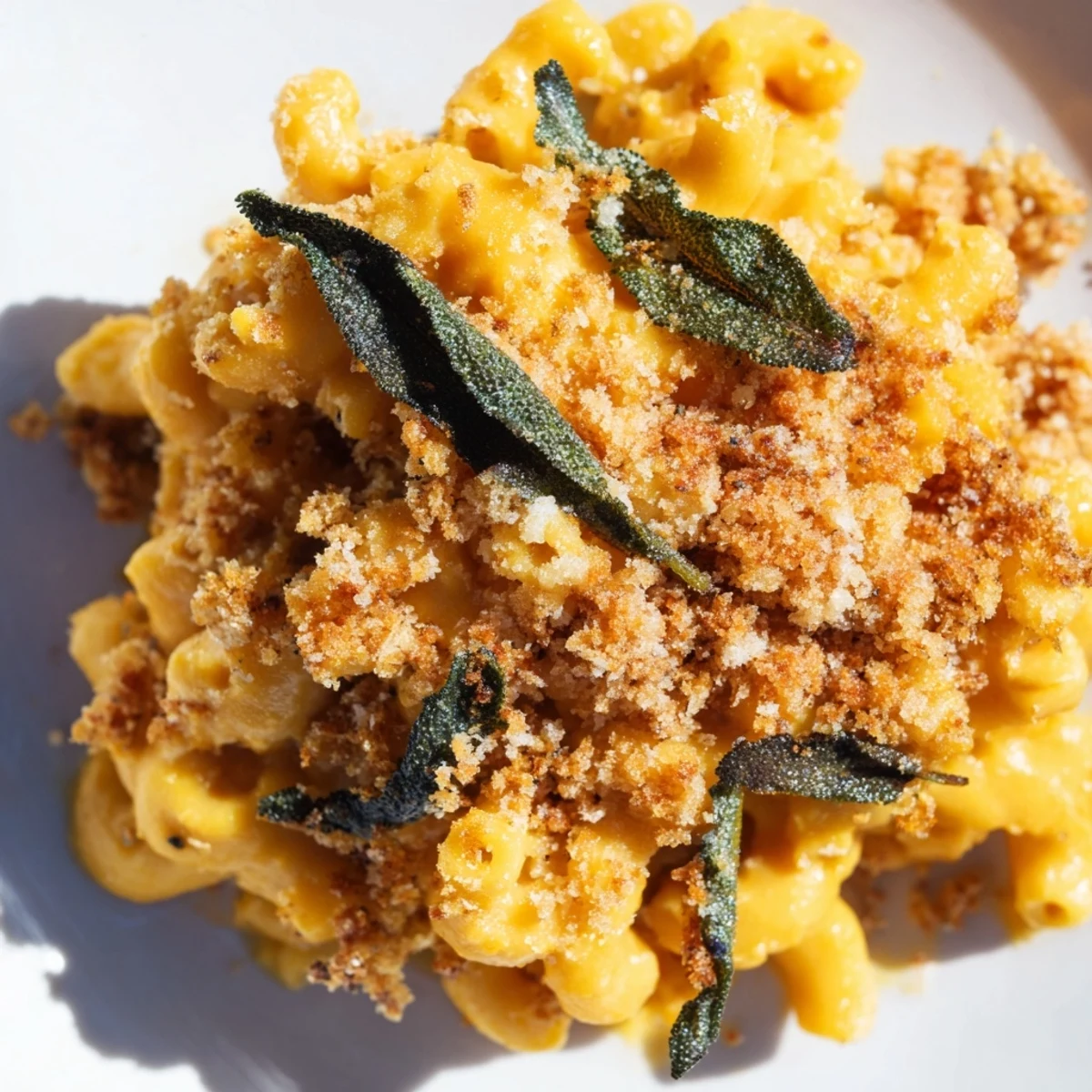
 This dish transforms roasted butternut squash into a velvety, golden sauce enriched with nutritional yeast and fresh sage. Blended with plant milk and sautéed aromatics, the mixture coats pasta perfectly. Optional crispy sage breadcrumbs add a delightful crunch, creating a comforting bowl that is both hearty and entirely dairy-free.
I discovered this recipe on a rainy autumn afternoon when a friend mentioned she missed mac and cheese but couldn't eat dairy anymore. Something about the way she said it—a little wistful, a little resigned—made me want to prove it didn't have to be sad food. I grabbed a butternut squash from the market that evening, and by dinner, the kitchen smelled like caramelized sweetness and sage. Her eyes lit up when she tasted it, and I realized I'd stumbled onto something that felt more like comfort than compromise.
The first time I made this for a potluck, I almost didn't mention it was vegan—not to deceive anyone, but because I wanted people to just taste it first. A colleague came back for seconds and thirds before asking what made it so creamy. When I told her, she laughed and said, 'You've ruined store-bought mac and cheese for me.' That's when I knew this recipe had earned its place in my regular rotation.
Ingredients
- Elbow macaroni, 340 g: Use a sturdy pasta shape that holds sauce well; fresh pasta gets mushy, so dried is your friend here.
- Butternut squash, 500 g, peeled and diced: This is your secret weapon for creaminess and natural sweetness; roasting it caramelizes the edges and deepens the flavor.
- Olive oil: You'll use it three times—for roasting the squash, sautéing aromatics, and toasting the breadcrumb topping—so don't skimp on quality.
- Yellow onion, 1 medium: It becomes almost invisible in the blended sauce but adds depth and subtle sweetness that brings everything together.
- Garlic cloves, 3, minced: Fresh garlic is non-negotiable; jarred tastes tinny and will make you regret the shortcut.
- Fresh sage leaves, 1 tbsp, finely chopped: Sage is what makes this feel special rather than generic; it's earthy, slightly peppery, and pairs perfectly with squash.
- Plant-based milk, 1 cup: Oat or soy work best for texture and neutral flavor; avoid coconut unless you want a tropical twist.
- Vegetable broth, 1/2 cup: Adds savory depth and keeps the sauce from becoming one-dimensional.
- Nutritional yeast, 1/4 cup: This is what gives the umami punch and makes it taste like cheese without any dairy; don't skip it or substitute it.
- Lemon juice, 2 tbsp: Brightness cuts through the richness and keeps the sauce from feeling heavy.
- Dijon mustard, 1 tsp: A small amount adds tangy complexity that makes people wonder what the secret ingredient is.
- Smoked paprika, 1/2 tsp: Brings a gentle smokiness that feels almost meaty and sophisticated.
- Turmeric, 1/2 tsp: Optional but recommended for color and subtle earthiness; it turns the sauce a gorgeous golden shade.
- Panko breadcrumbs, 1/3 cup: The topping gives textural contrast and a little decadence; toasting them in olive oil makes them golden and crispy.
Instructions
- Roast your squash while everything else happens:
- Preheat your oven to 200°C (400°F) and line a baking tray with parchment paper. Toss your diced butternut squash with 2 tbsp olive oil, salt, and pepper, then spread it in a single layer. Roast for 25–30 minutes until the edges are caramelized and the flesh is fork-tender; you'll know it's done when you can smell the sweet, toasted aroma.
- Cook pasta, but slightly underdone:
- While the squash roasts, bring a large pot of salted water to a boil and cook your pasta according to package instructions—but pull it out one minute before 'done' so it stays al dente. Drain it and set it aside; it will finish cooking in the warm sauce.
- Sauté your aromatics until they're golden:
- Heat 2 tbsp olive oil in a large skillet over medium heat and add your diced onion. Cook for 5–6 minutes, stirring occasionally, until it's soft and translucent. Add your minced garlic and chopped sage and cook for another 1–2 minutes until the kitchen smells like a cozy dinner party.
- Blend everything into silky smoothness:
- Transfer your sautéed onion mixture and roasted squash to a blender. Add plant-based milk, vegetable broth, nutritional yeast, lemon juice, Dijon mustard, smoked paprika, turmeric if using, salt, and pepper. Blend on high until completely smooth and creamy; there should be no visible chunks or graininess.
- Warm the sauce gently back in the skillet:
- Pour your blended sauce back into the skillet and heat it gently over medium-low heat for 3–4 minutes, stirring occasionally. Taste and adjust seasoning—more salt, more lemon, more mustard—until it tastes exactly like comfort.
- Bring pasta and sauce together:
- Add your cooked pasta to the sauce and stir gently to coat every piece. Warm it through for 2–3 minutes, and you should see it transform into something that looks and feels indulgent.
- Toast your breadcrumb topping until golden:
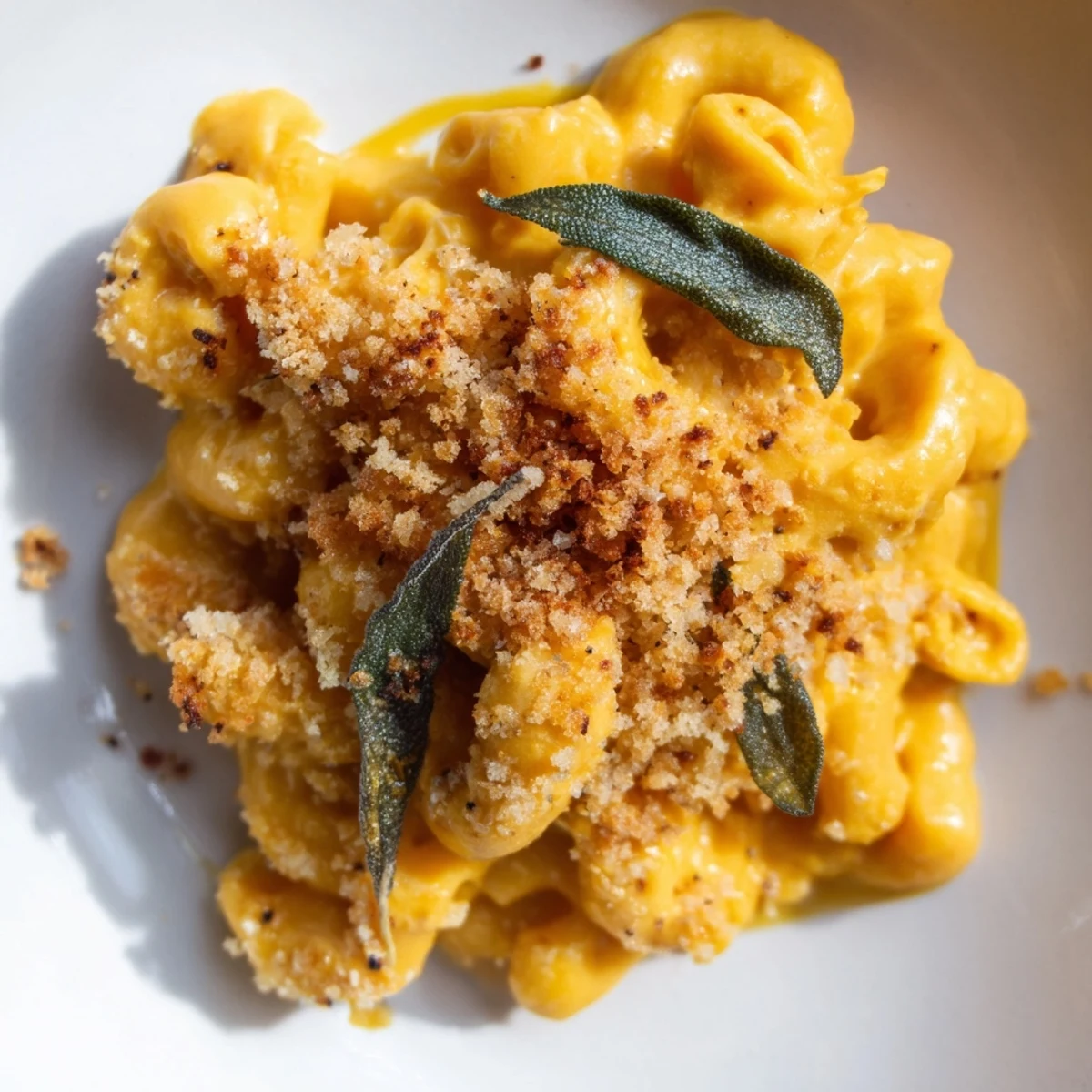
- If you're using the topping, mix panko breadcrumbs with 1 tbsp olive oil and fresh sage, then toast in a dry skillet over medium heat for 2–3 minutes until golden and fragrant. This adds a textural contrast that makes people sit up and pay attention.
 Pin to Pinterest
 I remember my mom trying this for the first time and being shocked—genuinely shocked—that there was no cream or cheese in it. She had seconds and asked for the recipe, and I watched her realize that good food doesn't need to be complicated or rely on animal products to feel like love on a plate. That moment mattered more than any recipe review ever could.
Why Sage Is the Star Here
Sage often gets relegated to Thanksgiving stuffing or Italian dishes, but it's the secret weapon in this sauce. Fresh sage has a peppery, slightly earthy quality that makes butternut squash sing in a way that thyme or rosemary just can't match. When you sauté it early in the process, it releases all its volatile oils into the hot oil, infusing the entire dish with a subtle sophistication that people taste but can't quite name.
The Creaminess Question
You might wonder how roasted squash, plant-based milk, and nutritional yeast create something that tastes creamy without any actual cream. It's because roasted butternut squash is naturally starchy and sweet, and when you blend it smooth, it becomes a thickening agent that coats your mouth the same way cream does. Nutritional yeast adds that savory, umami punch that makes your brain register 'this is rich and satisfying.' Together, they create an illusion so complete that people stop thinking about what's missing and start thinking about seconds.
Serving and Pairing
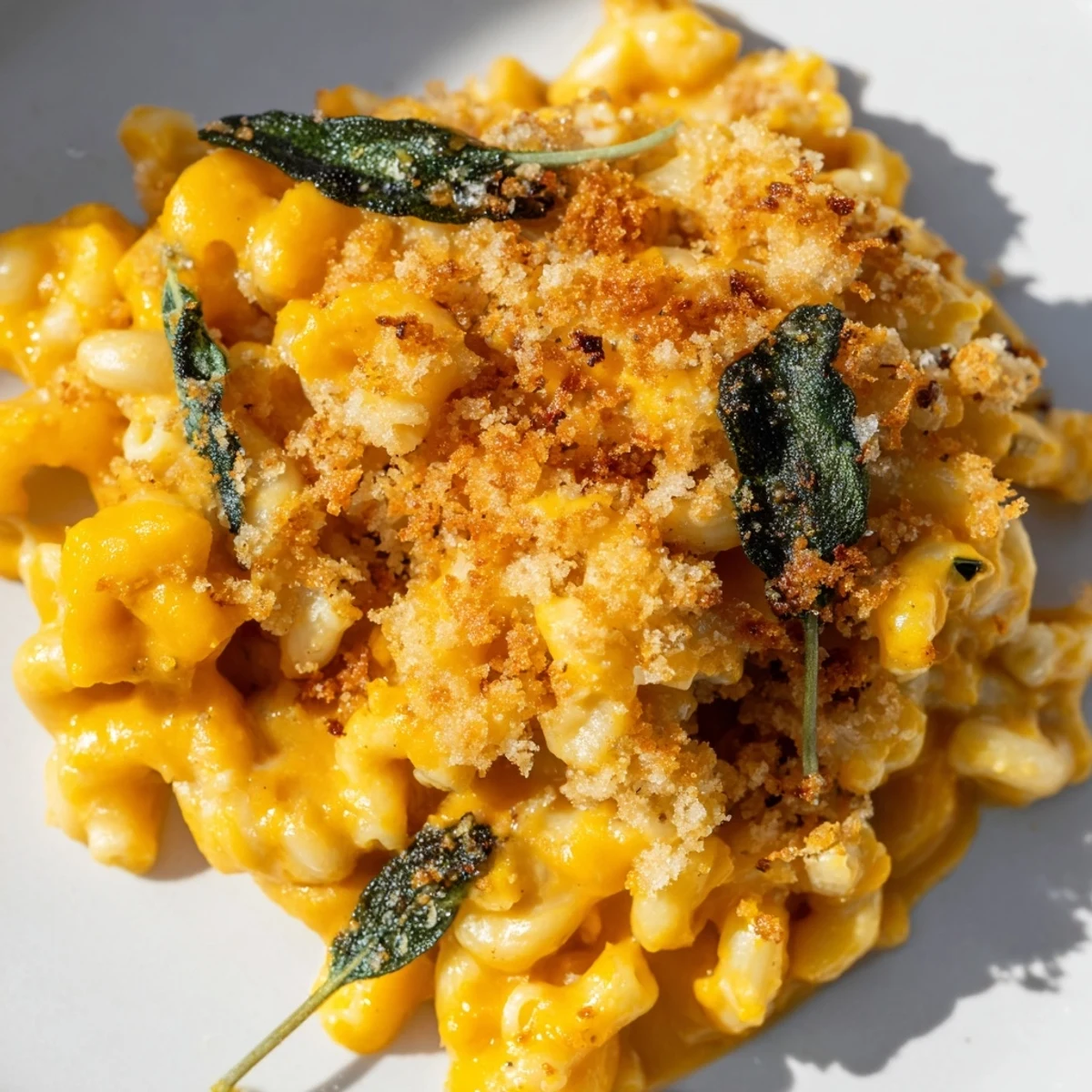
Serve this while it's warm, with that golden breadcrumb topping scattered over the top and fresh sage leaves as garnish. It looks elegant enough for guests but tastes like the kind of food you'd eat alone in sweatpants after a long day. A crisp, dry white wine like Sauvignon Blanc cuts through the richness beautifully, or if you're keeping it simple, a green salad on the side adds bright acidity and texture contrast.
- Make the breadcrumb topping just before serving so it stays crispy and doesn't get soggy from the sauce.
- Leftovers keep for three days in the fridge and reheat gently with a splash of plant-based milk if they thicken too much.
- You can prep the butternut squash the day before and roast it fresh when you're ready to cook, which makes weeknight dinners even easier.
 Pin to Pinterest
 This recipe proves that plant-based cooking isn't about missing anything—it's about discovering flavors you wouldn't have found otherwise. Every time I make it, I'm reminded that comfort food is less about the ingredients and more about the intention behind them.
Recipe FAQs
- → Is this dish nut-free?
-
Yes, provided you use oat or soy milk instead of almond or cashew milk.
- → Can I use frozen squash?
-
Frozen squash works well. Thaw and roast it to remove excess moisture before blending.
- → What pasta shape is best?
-
Elbow macaroni is traditional, but shells or cavatappi also hold the sauce beautifully.
- → How should I store leftovers?
-
Store in an airtight container in the refrigerator for up to three days.
- → Can I add protein?
-
White beans or chickpeas blend seamlessly into the sauce or can be stirred in whole.