
 Pin to Pinterest
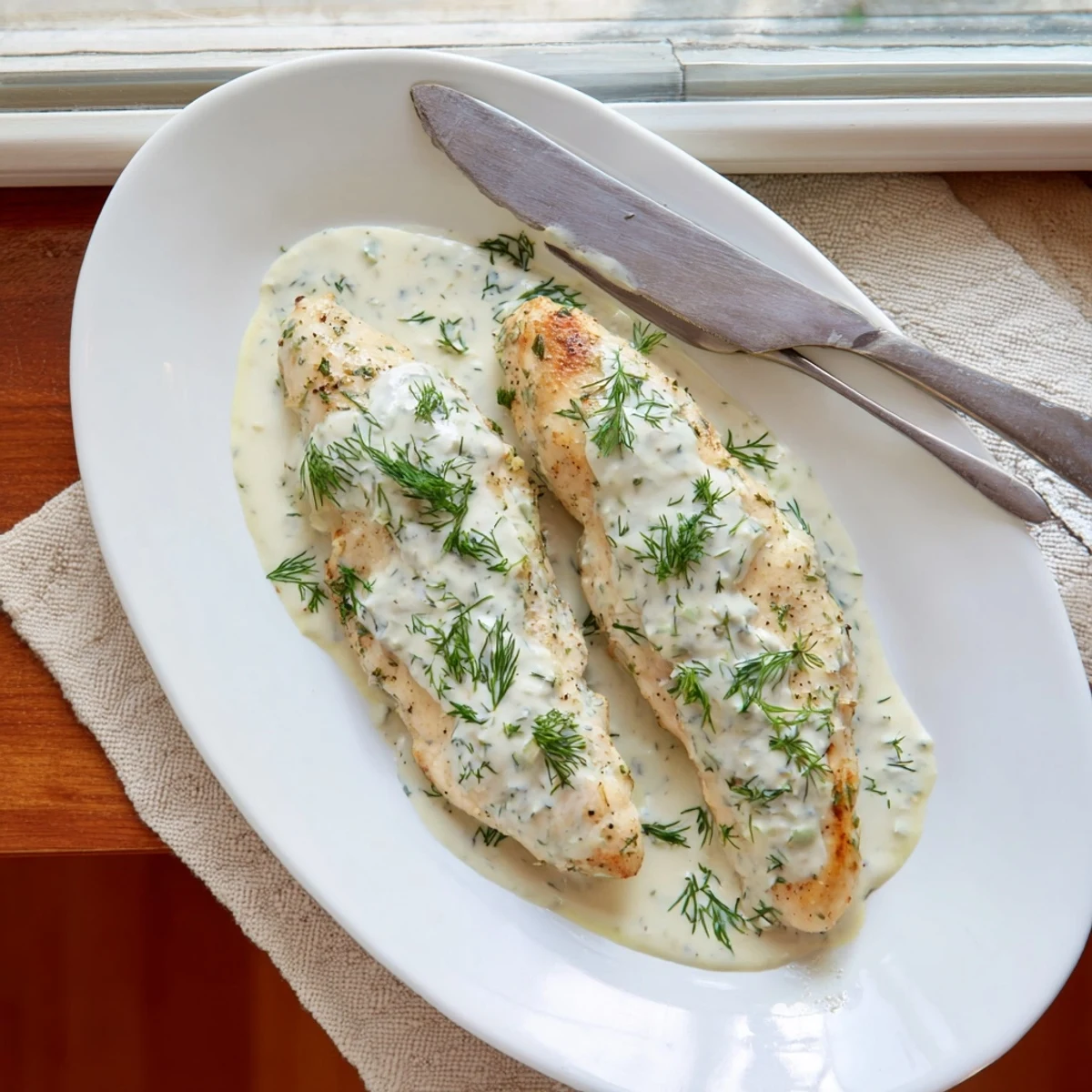
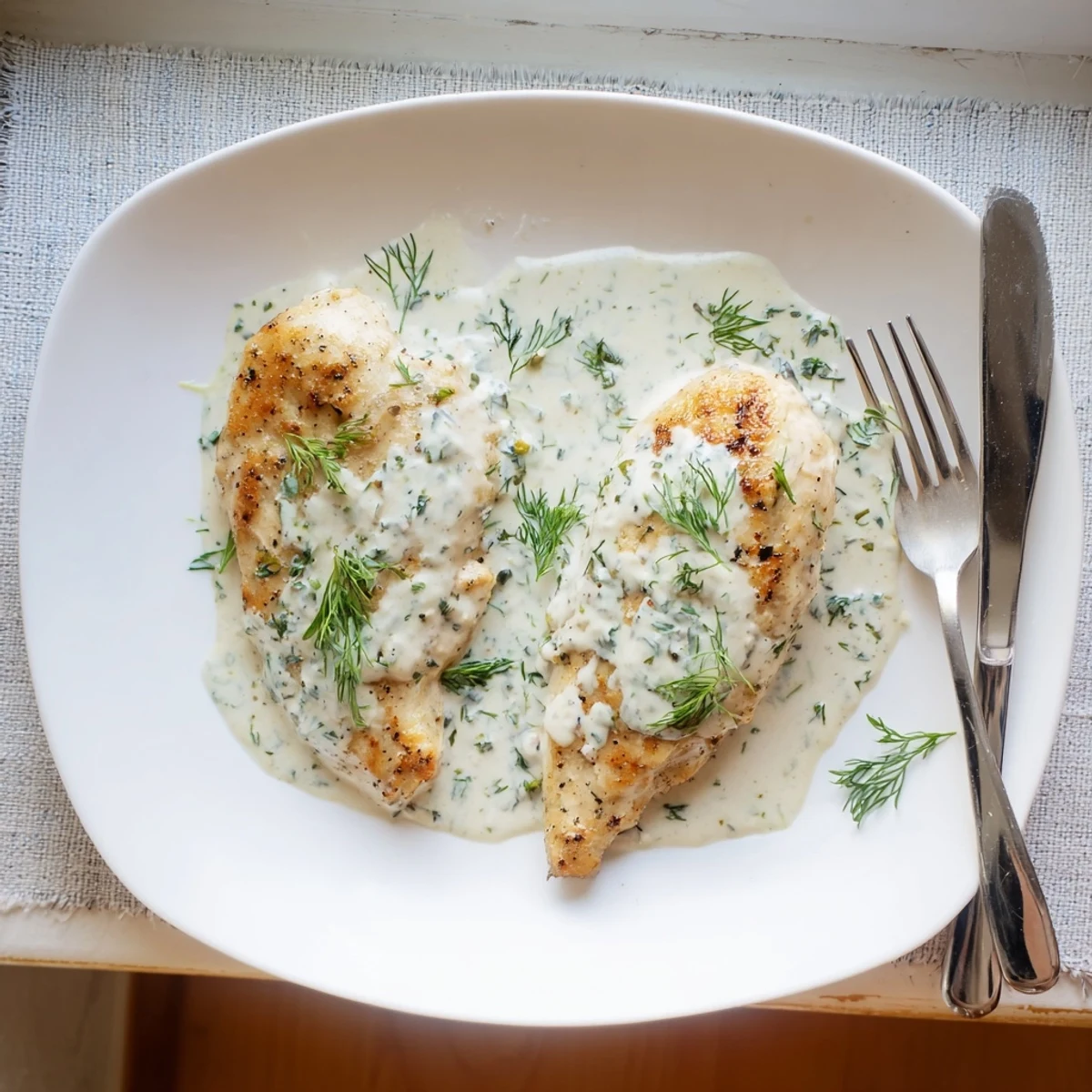
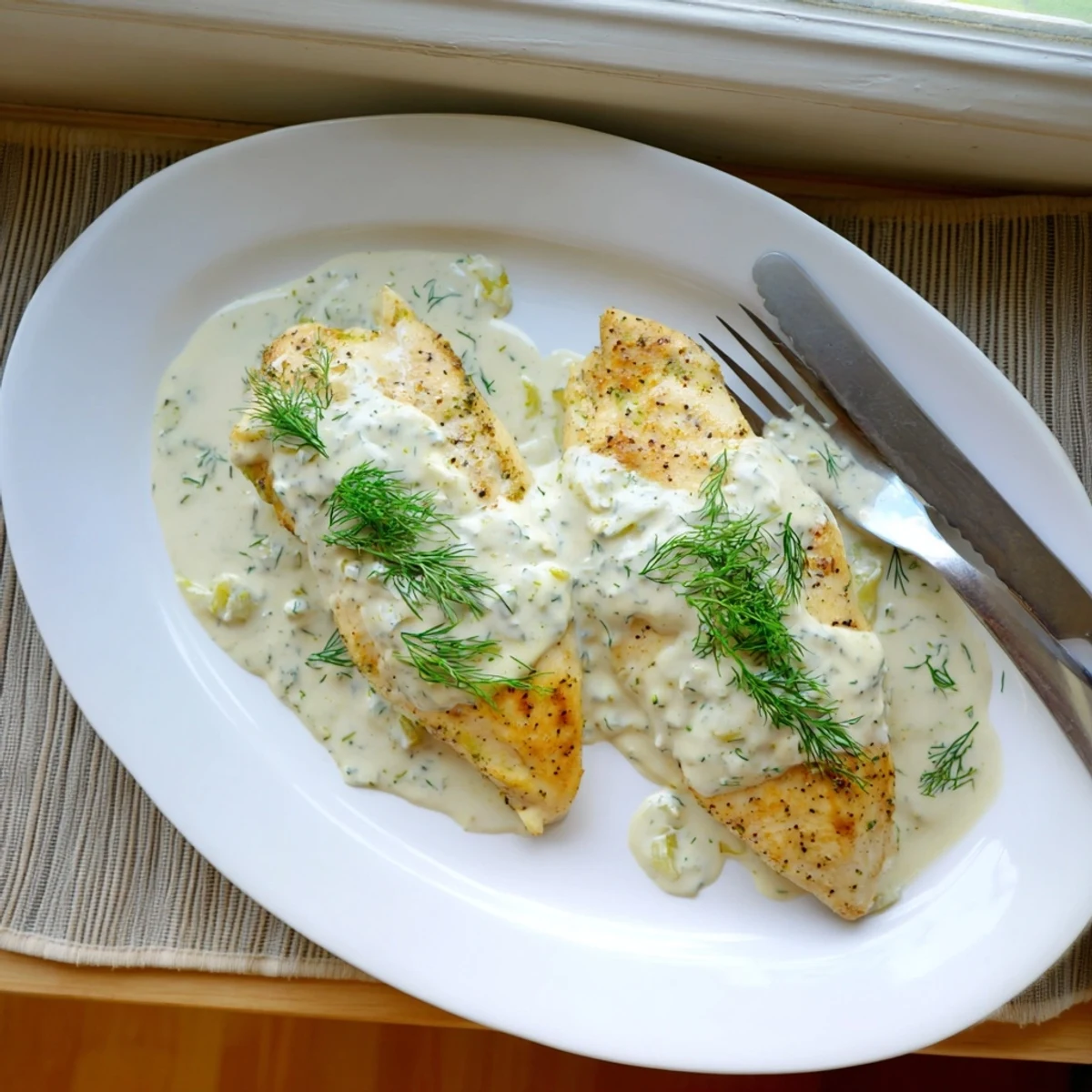
 This elegant yet simple dish features golden-seared chicken breasts finished in a velvety sauce made with heavy cream, fresh dill, and Dijon mustard. The combination creates a harmonious balance of bright herbal notes and rich creaminess that coats each tender piece of meat. Ready in under an hour, this gluten-free main serves four generously and pairs beautifully with steamed potatoes, buttered noodles, or fluffy rice. The sauce thickens beautifully as it simmers, creating restaurant-quality results with minimal effort.
The smell of dill always takes me back to my grandmother's tiny kitchen, where she'd simmer chicken in cream until the whole house smelled like comfort. I've adapted her method over the years, but that fragrant, herbaceous sauce remains the heart of this dish.
Last winter, my neighbor dropped by unexpectedly while I was making this. She ended up staying for dinner, and now she requests it every time she comes over. That's the kind of dish this is—unassuming enough for a Tuesday, special enough for company.
Ingredients
- Boneless chicken breasts: Pound them slightly to even thickness so they cook uniformly
- Heavy cream: Don't substitute here—the richness is what carries the dill's delicate flavor
- Fresh dill: Dried dill works in a pinch, but fresh makes the sauce sing
- Dijon mustard: Adds just enough tang to cut through the cream
- Shallots: Milder than onion, letting the dill stay the star
Instructions
- Season and sear the chicken:
- Pat the chicken dry and season generously on both sides. Get your skillet ripping hot so you get a golden crust—that color equals flavor.
- Build the aromatic base:
- Drop the heat to medium and soften those shallots until they're translucent. You want them sweet, not browned.
- Create the sauce:
- deglaze the pan with broth, scraping up every browned bit. Stir in the cream, mustard, and dill, then let it bubble gently until it coats a spoon.
- Finish together:
- Return the chicken to simmer in the sauce. The cream will thicken as it absorbs the chicken's juices.
 Pin to Pinterest
 My youngest daughter used to pick out the 'green bits' until she realized they were what made the sauce taste so good. Now she asks for extra dill on her portion.
Making It Your Own
Try swapping fresh tarragon for the dill in spring. The anise notes pair beautifully with the cream, and it feels like a completely different dish.
Serving Suggestions
Buttered egg noodles soak up the sauce perfectly. Roasted potatoes work too, especially if you toss them with a little dill first.
Timing Your Meal
This dish waits surprisingly well. If company's running late, just turn the heat to its lowest setting and cover—the sauce stays velvety and the chicken stays tender.
- Have everything measured before you start heating the pan
- Warm your plates if serving guests
- That final squeeze of lemon is non-negotiable
 Pin to Pinterest
 Serve this with confidence. It's the kind of meal that makes people feel taken care of.
Recipe FAQs
- → Can I use chicken thighs instead of breasts?
-
Yes, boneless skinless chicken thighs work wonderfully. Adjust cooking time to 6-7 minutes per side during searing, and ensure thighs reach 165°F internal temperature.
- → How can I make the sauce lighter?
-
Substitute half the heavy cream with Greek yogurt. Add the yogurt during the last 2-3 minutes of simmering to prevent curdling, stirring gently over low heat.
- → What herbs can replace fresh dill?
-
Fresh tarragon creates a lovely anise-like sweetness, while parsley offers a milder, bright flavor. Use the same quantity and adjust to taste.
- → Can this be made ahead of time?
-
The dish reheats beautifully. Store in an airtight container for up to 3 days. Reheat gently over low heat, adding a splash of cream if the sauce needs loosening.
- → What wine pairs best with this dish?
-
A crisp Sauvignon Blanc, dry Pinot Grigio, or unoaked Chardonnay complements the creamy sauce and fresh dill beautifully without overpowering the delicate flavors.
- → Is the sauce freezer-friendly?
-
The sauce can be frozen separately for up to 2 months. Thaw overnight in the refrigerator and reheat slowly. For best results, add fresh dill after reheating.