
 Pin to Pinterest
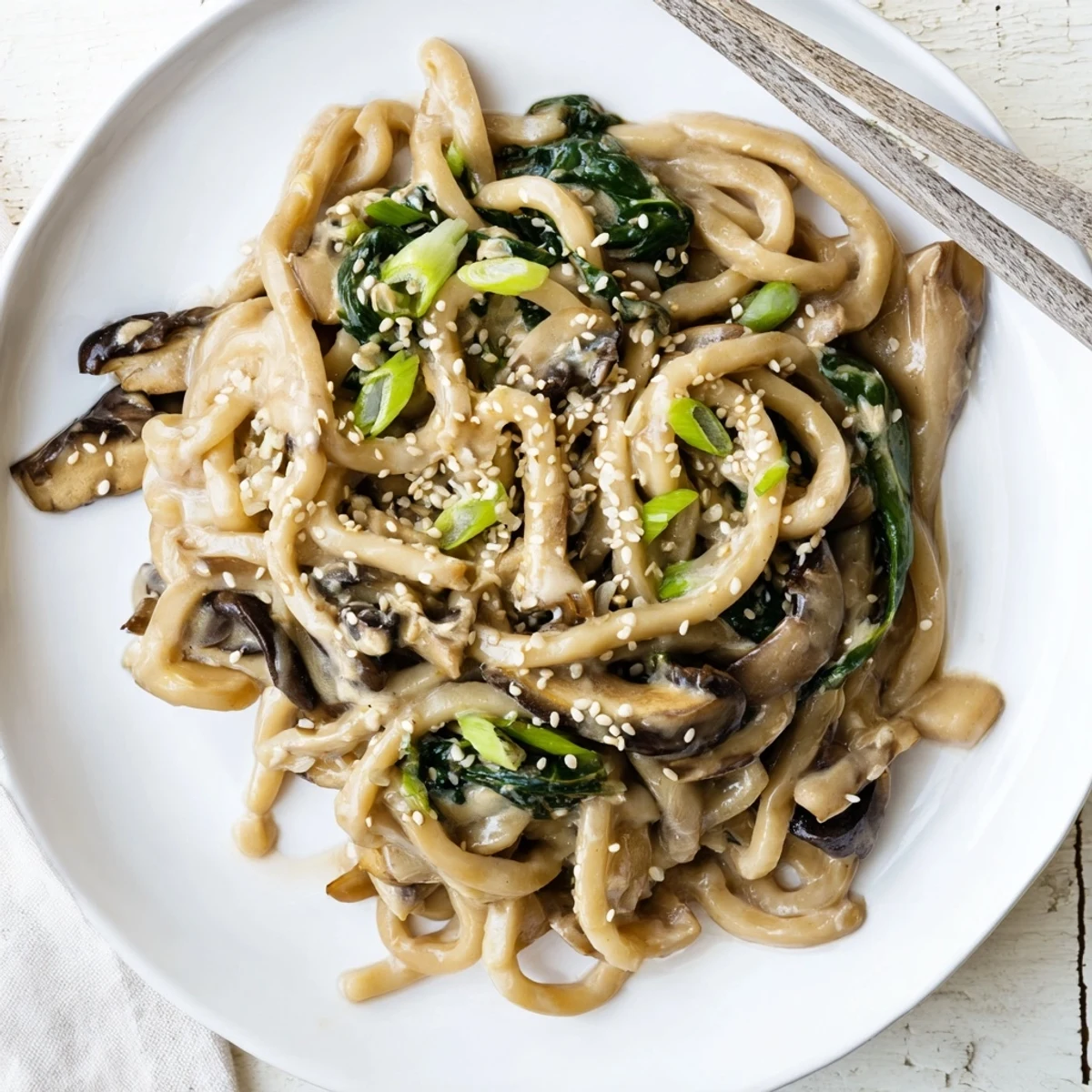
 These thick chewy noodles come together in under 30 minutes with a luscious savory sauce. The white miso creates depth while heavy cream adds luxurious richness. Sautéed shiitake mushrooms bring meaty texture and baby spinach adds freshness.
Perfect for weeknight dinners when you want something warming and satisfying. The sauce clings beautifully to each strand, ensuring every bite delivers that signature umami flavor.
The first time I had miso cream sauce, I was at this tiny ramen shop in Kyoto where the chef winked when he brought out the bowl. I couldn't stop thinking about how the miso's earthiness played with cream's richness, and I spent weeks trying to recreate that magic at home. This udon version is what finally came closest to that memory, and it's become my go-to when I need something comforting but not heavy.
Last winter, my roommate came home exhausted from a twelve-hour shift, and I made this while she collapsed on the couch. The smell of sesame oil and ginger filled our tiny apartment, and she actually perked up halfway through her first bowl. Now it's what we make when someone needs a proper hug in food form.
Ingredients
- 200 g udon noodles: These thick, chewy noodles are perfect for coating in the creamy sauce, and fresh ones cook in just two minutes
- 1 tablespoon neutral oil: Something light like canola or sunflower lets the vegetables shine without overpowering them
- 1 small onion, thinly sliced: The sweetness of onion as it caramelizes balances the salty miso beautifully
- 1 cup shiitake mushrooms, sliced: Their meaty texture and umami flavor make this feel substantial without needing meat
- 1/2 cup baby spinach leaves: Just enough to add color and freshness without making this feel like a health food compromise
- 2 tablespoons white miso paste: The soul of the dish, white miso is milder and sweeter than red, perfect for cream sauces
- 2 teaspoons soy sauce: Adds depth and that familiar savory base note we all crave in Japanese dishes
- 1 teaspoon sesame oil: A little goes a long way, but it's essential for that aromatic finish
- 1 teaspoon grated ginger: Fresh ginger brings warmth and zing that cuts through the richness
- 1 clove garlic, minced: Because garlic makes everything better, especially when it's had a moment to bloom in hot oil
- 200 ml heavy cream: The velvety base that transforms miso into something luxurious and restaurant-worthy
- 60 ml water: Just enough to loosen the sauce so it coats every noodle evenly
- 1 tablespoon sliced green onions: Fresh pop of color and mild onion flavor to brighten each bowl
- 1 teaspoon toasted sesame seeds: That tiny crunch and nutty finish makes the whole dish feel complete
- Chili flakes: Optional, but if you like heat, a pinch wakes everything up nicely
Instructions
- Get your noodles ready:
- Cook the udon according to the package directions, drain well, and set them aside while you make everything else
- Start your aromatics:
- Heat the neutral oil in a large skillet over medium heat, add the sliced onions, and let them soften for about two minutes until they're translucent and fragrant
- Add the mushrooms:
- Toss in the shiitake slices and sauté for three to four minutes until they're tender and starting to brown at the edges
- Bloom the garlic and ginger:
- Stir in the minced garlic and grated ginger, cooking for just one minute until the smell fills your kitchen but before anything burns
- Whisk the sauce:
- In a bowl, combine the miso paste, soy sauce, sesame oil, cream, and water, whisking until the miso dissolves completely into a smooth, golden mixture
- Bring it together:
- Pour the sauce into the skillet with the vegetables, bring to a gentle simmer, and cook for two to three minutes while stirring constantly until slightly thickened
- Finish with noodles and spinach:
- Add the cooked udon and baby spinach to the pan, toss everything together until the noodles are glossy and coated, and the spinach has just wilted into the sauce
- Taste and serve:
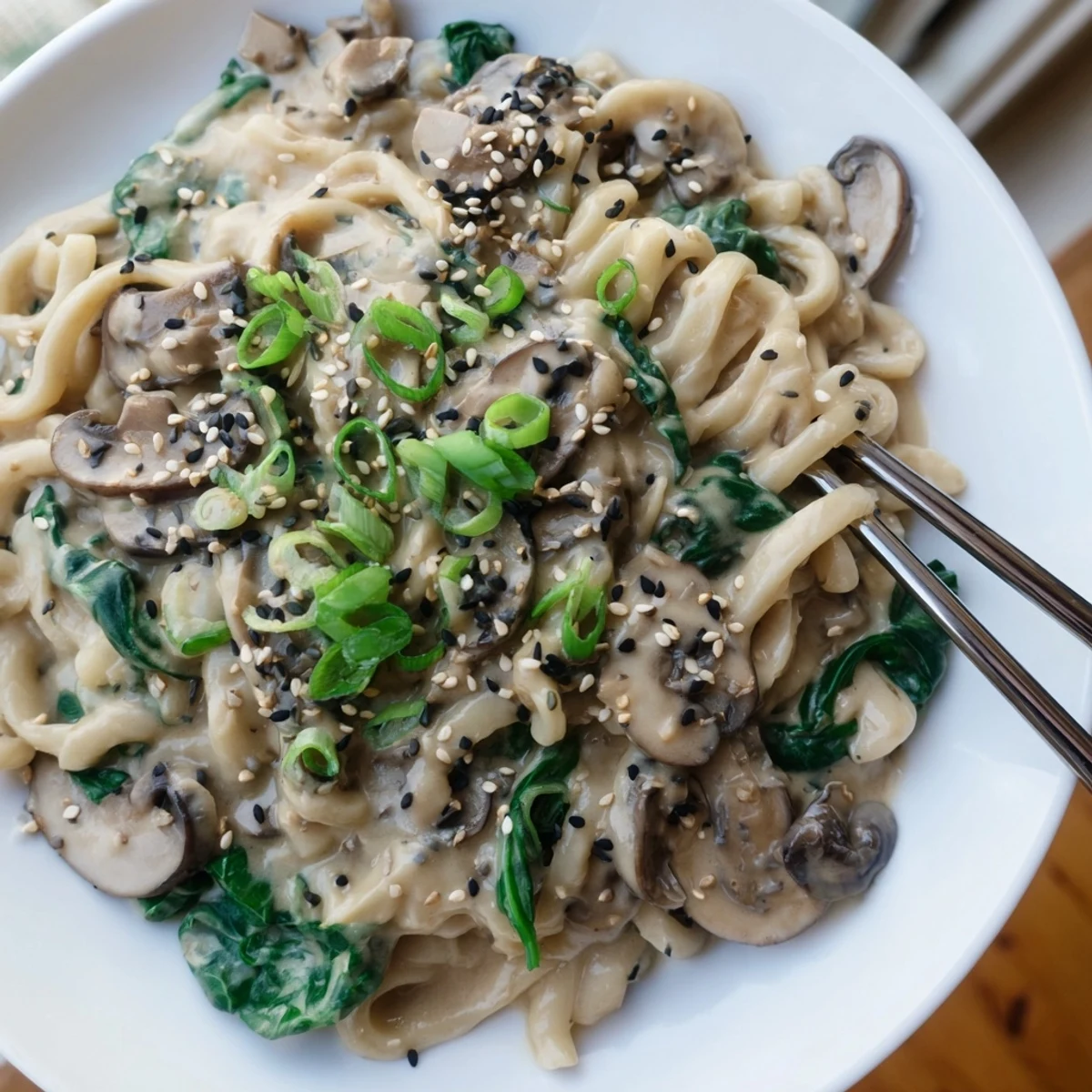
- Give it a quick taste, adjust if you think it needs anything, then serve immediately topped with green onions, sesame seeds, and chili flakes if you're feeling spicy
 Pin to Pinterest
 My partner, who swore they hated creamy pasta, took one skeptical bite and immediately asked when I was making this again. There's something about the way miso and cream play off each other that converts even the biggest skeptics. Now it's the only thing they request when we're too tired to decide what to cook.
Making It Vegan
Swap the heavy cream for oat milk creamer or coconut cream, and double-check that your udon doesn't contain egg. I've tried almost every plant-based cream option, and oat cream gives the closest texture to dairy without any strange aftertaste.
Protein Additions
Crispy tofu cubes or pan-fried edamame turn this from a side dish into a full meal. I love adding tofu because when it's browned properly, those little crispy edges catch the sauce in the best way possible.
Leftover Strategy
The sauce thickens considerably in the fridge, so when you reheat this, splash in a little water or plant milk to loosen it back up. The flavors actually get better overnight, making this one of those rare dishes that's arguably better as leftovers.
- Store in an airtight container for up to three days
- Reheat gently on the stove, never the microwave, to preserve the sauce's silky texture
- Add a handful of fresh spinach when reheating to brighten it back up
 Pin to Pinterest
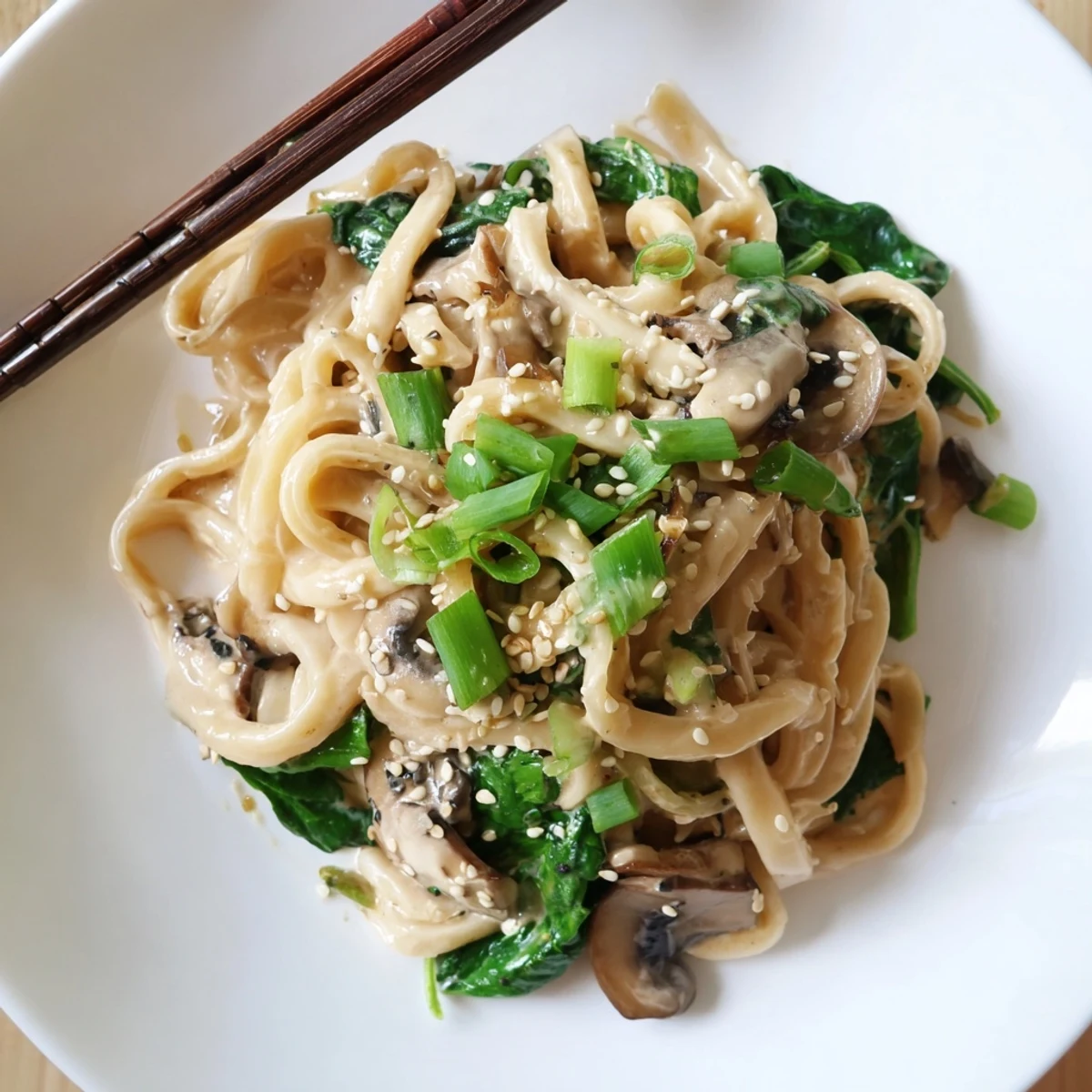
 This is the kind of recipe that teaches you to trust your instincts more than exact measurements, so taste as you go and make it your own. There's something deeply satisfying about combining Japanese flavors with Western cream sauce techniques, and I hope it brings you as much comfort as it's brought me.
Recipe FAQs
- → Can I make this dairy-free?
-
Yes, simply replace the heavy cream with your preferred plant-based cream alternative. Coconut cream works well and adds subtle sweetness, or use cashew cream for a neutral flavor profile.
- → What type of miso paste works best?
-
White miso (shiro miso) is ideal for this dish due to its milder, sweeter profile that complements the cream. Red miso would be too overpowering, while awase creates a nice middle ground if you prefer stronger umami.
- → Can I add protein to this dish?
-
Crispy tofu cubes, pan-seared tempeh, or edamame make excellent additions. Add them when sautéing the vegetables so they heat through and absorb some of the sauce flavors.
- → How do I store leftovers?
-
Store in an airtight container in the refrigerator for up to 2 days. The noodles will absorb more sauce as they sit, so you may need to splash in water or cream when reheating to restore consistency.
- → Can I use dried udon noodles?
-
Absolutely. Cook dried udon according to package directions, usually boiling for 10-12 minutes until tender. Fresh or frozen noodles cook faster but both yield excellent results.