
 Pin to Pinterest
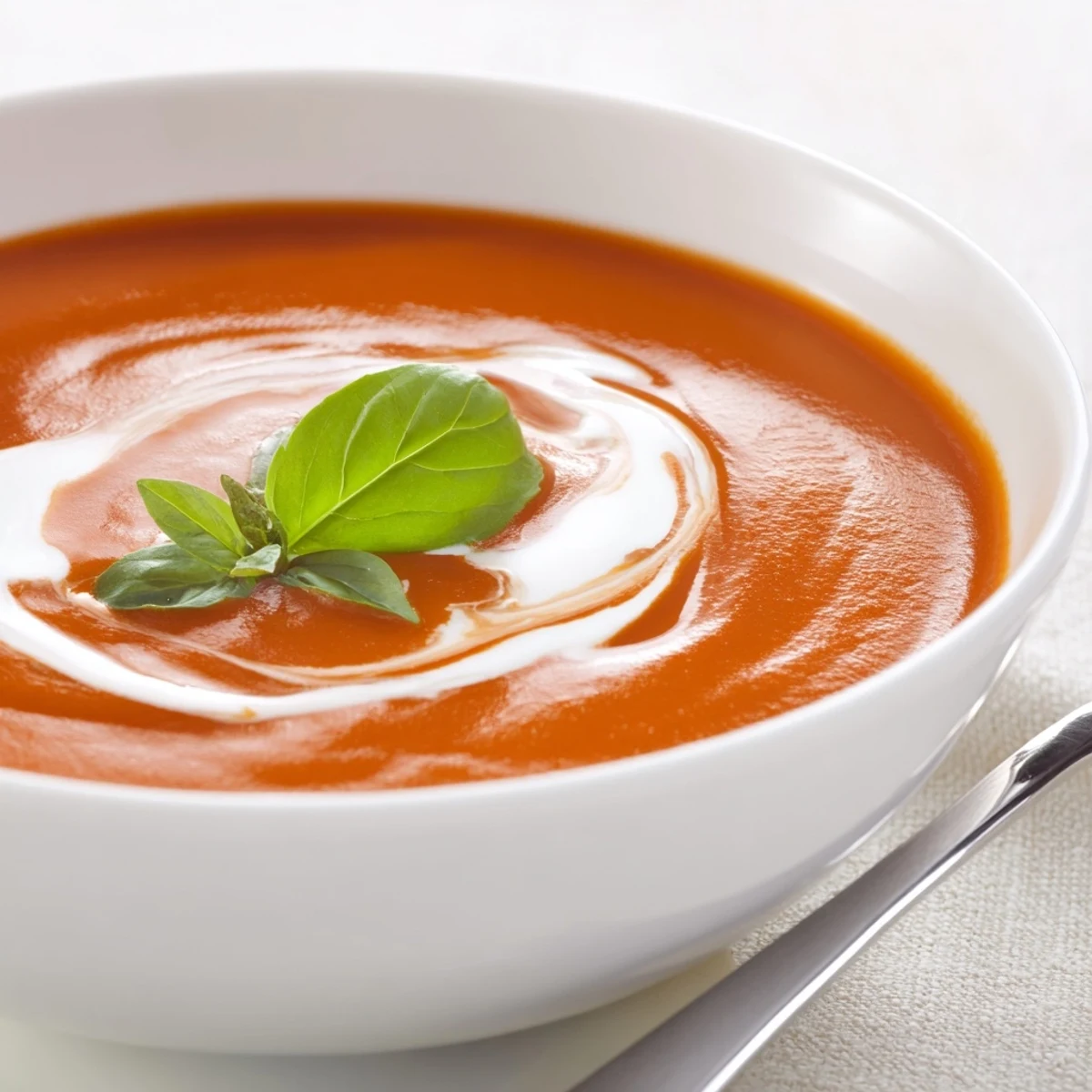
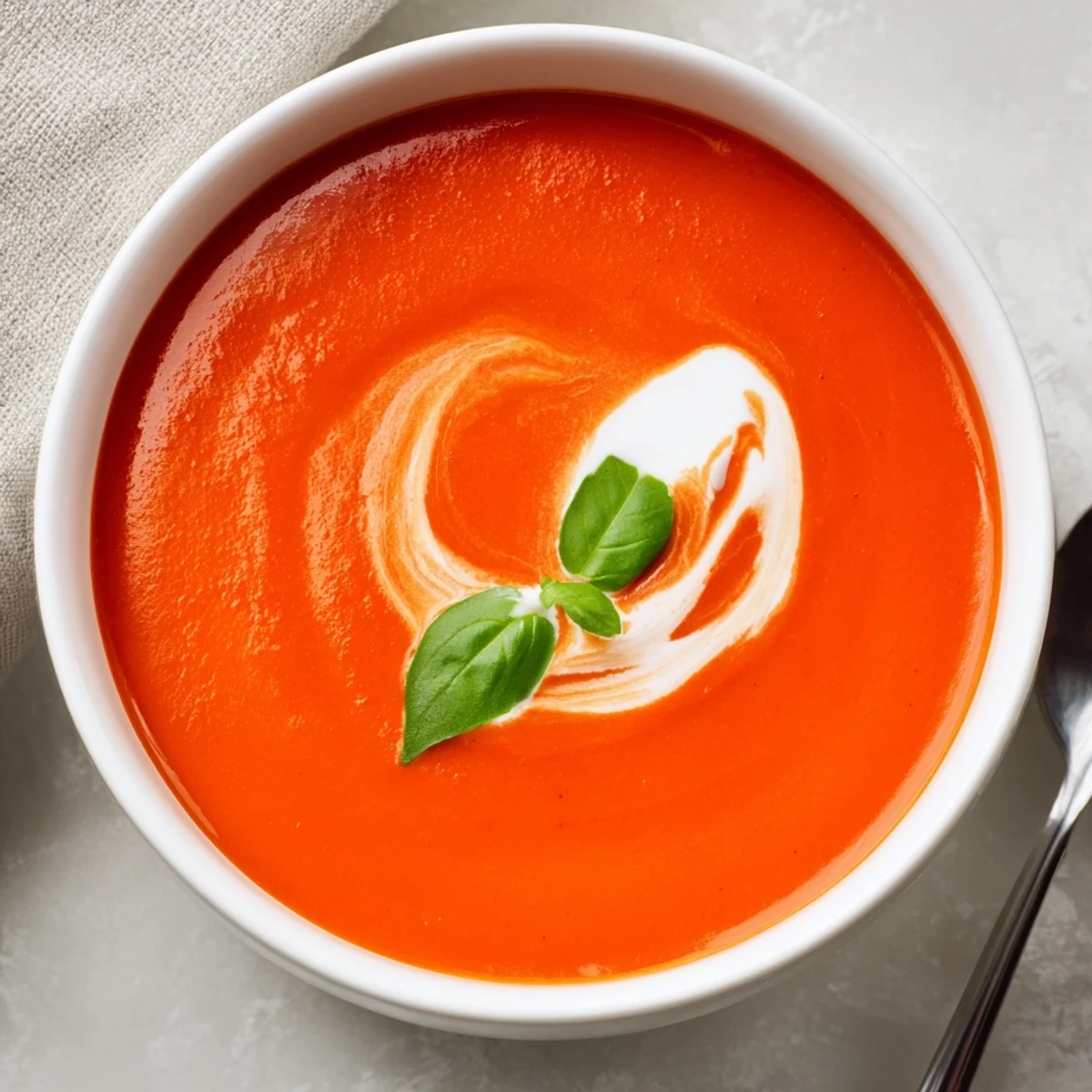
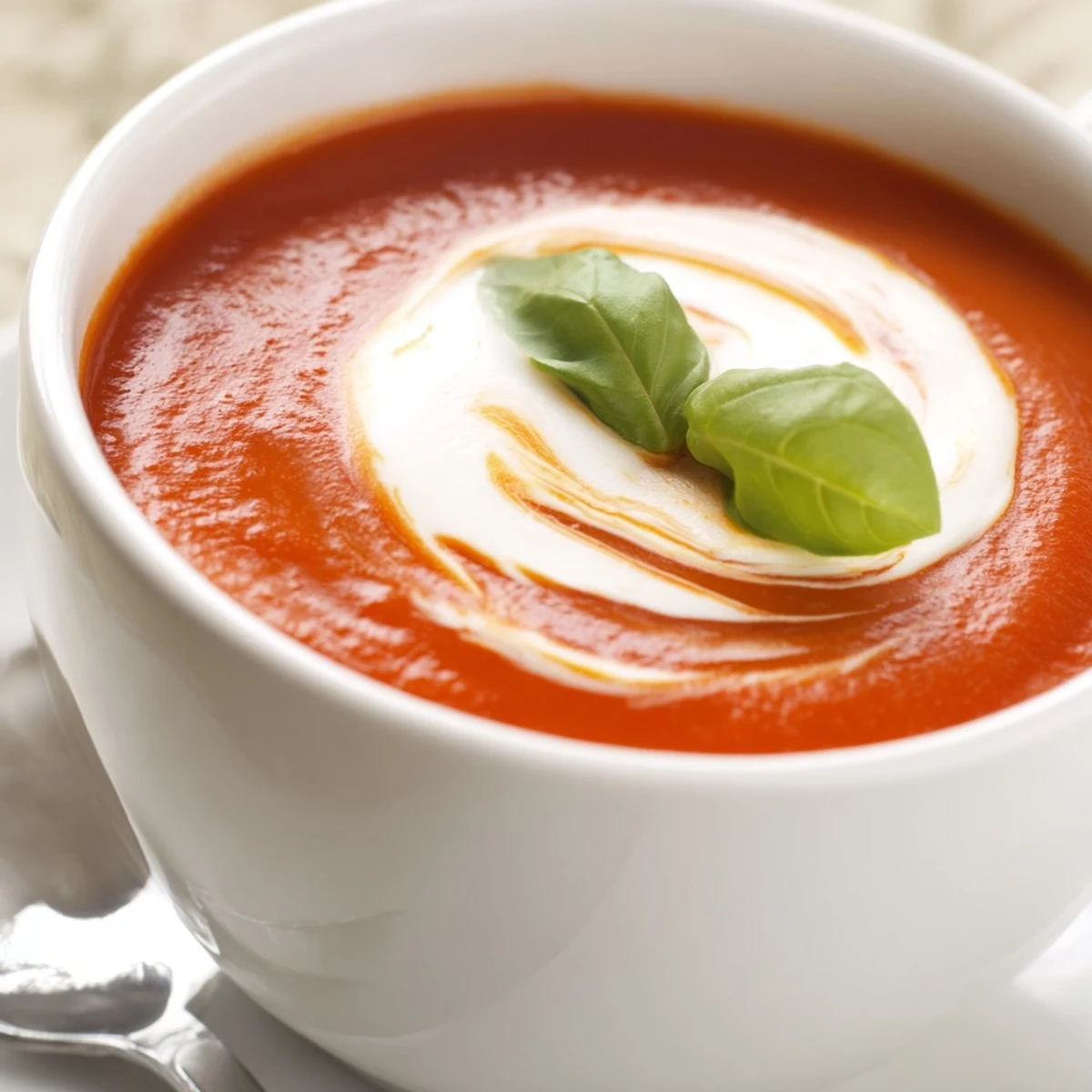
 This velvety tomato blend features bright, ripe tomatoes cooked gently with fragrant basil and a touch of cream to enrich the texture. The soup combines sautéed onions and garlic with tomato paste and vegetable broth, simmered to develop deep flavor. After blending to a smooth consistency, cream adds a luscious finish. Garnished with fresh basil and a swirl of cream, it’s perfect for warming up on cooler days or serving as a refined starter.
There's something about the smell of tomatoes hitting hot oil that instantly transports me back to my aunt's kitchen on lazy Sunday afternoons. She'd make this soup on the first cool day of fall, and I'd watch from the counter as she stirred in fresh basil at the end, filling the whole house with that unmistakable green perfume. Years later, I finally asked her for the recipe, and what she described was so simple I almost didn't believe it would taste as good as I remembered. Now every time I make it, I understand why she kept coming back to the same pot, the same technique, the same quiet satisfaction.
I made this soup for my partner's parents the first time they came over, and I was honestly nervous about whether it would impress them. But watching them go back for seconds while barely speaking, just nodding with their eyes closed between spoonfuls, told me everything I needed to know. That bowl somehow became the bridge between us, and now it's the one thing they specifically ask me to make whenever we visit.
Ingredients
- Olive oil: Start with good quality oil—it's one of only a few ingredients, so it matters more than you might think.
- Yellow onion: This sweet, mild base is what keeps the soup from tasting too acidic even before the cream goes in.
- Garlic: Just a minute in the hot oil is enough to wake it up; any longer and it turns bitter and regrettable.
- Ripe tomatoes: If you can find them fresh and in season, use them without hesitation, but canned whole tomatoes are honestly just as good and sometimes more reliable.
- Vegetable broth: This becomes the canvas for everything else, so don't use something overly seasoned that will fight with the tomato flavor.
- Tomato paste: A tablespoon of this concentrated umami bomb deepens the flavor in a way that feels almost magical.
- Sugar: This optional ingredient isn't about sweetness—it's about balance, taming the acidity that raw tomatoes can sometimes have.
- Salt and pepper: Taste as you go because every batch of tomatoes is slightly different.
- Fresh basil: Add it near the end so it stays bright green and aromatic instead of turning dark and tired.
- Heavy cream: The finish that transforms this from simple to luxurious, swirled in at the very end.
Instructions
- Warm your base:
- Heat the olive oil in a large pot over medium heat and watch for the shimmer that tells you it's ready. Add your chopped onion and let it soften into translucency, stirring now and then so it doesn't catch on the bottom.
- Build the aromatics:
- Once the onion is soft and sweet, add your minced garlic and stir constantly for just about a minute—you want to smell that garlicky perfume but not let it brown. The moment it smells fragrant, you're done.
- Add the tomatoes:
- Stir in your chopped tomatoes (or canned with their juice) along with the tomato paste, and let this mixture bubble gently for 5 to 7 minutes. You'll notice the tomatoes beginning to soften and release their liquid, which is exactly what you want.
- Simmer and marry the flavors:
- Pour in your vegetable broth and bring everything to a boil, then turn the heat down and let it simmer uncovered for about 15 minutes. The longer you let this sit, the more the flavors begin to understand each other.
- Season and add the basil:
- Sprinkle in your sugar (if using), salt, pepper, and all those gorgeous fresh basil leaves and let it simmer for another 5 minutes. Taste it now—this is your chance to adjust before you blend.
- Blend until silky:
- Remove the pot from heat and use your immersion blender to puree everything until smooth and velvety. If you don't have an immersion blender, carefully transfer the soup in batches to a regular blender and work in small portions.
- Finish with cream:
- Return the pot to low heat and gently stir in the heavy cream, warming it through for just 2 to 3 minutes—never let it boil or it can separate. Taste again and adjust seasoning one final time.
- Serve with love:
- Ladle the soup into bowls and top each one with a small swirl of cream and a few fresh basil leaves for color and flavor.
 Pin to Pinterest
 My neighbor once brought over a bowl of store-bought tomato soup while I was making mine, and we did a blind taste test just for fun. I wasn't trying to be smug, but when she immediately picked mine and asked for the recipe, something shifted in how I thought about cooking. It made me realize that the small choices—using fresh basil instead of dried, adding cream slowly instead of all at once—aren't really about being fancy, they're about caring.
When Fresh Tomatoes Aren't in Season
Winter tomatoes can be mealy and disappointing, which is why canned whole tomatoes are genuinely one of the best ingredient substitutions in cooking. They're picked and canned at peak ripeness, so they often taste better than fresh tomatoes bought in December. I keep a few cans in the pantry year-round because sometimes the craving for this soup hits when nobody can grow decent tomatoes.
Variations That Still Feel Like Themselves
Once you master the basic version, this soup becomes a canvas for small changes that keep it interesting. A pinch of red pepper flakes adds subtle heat without overwhelming the basil, and roasting your fresh tomatoes before adding them deepens the flavor into something almost caramelized and complex. Some of my favorite experiments have come from accidentally grabbing the wrong ingredient and deciding to keep it—a drizzle of aged balsamic vinegar once was a happy accident that became a regular addition.
Serving and Pairing Ideas
This soup needs very little to feel complete, but the right accompaniment can turn it into something memorable. A warm grilled cheese sandwich on the side is the classic combination for a reason, or if you want something lighter, thick slices of crusty bread for soaking up every last drop. For a vegan version, swap the heavy cream for full-fat coconut cream and the soup loses nothing in richness—just gains a subtle sweetness that's equally delicious.
- Crusty bread for dunking is not optional—it's an essential part of the experience.
- A vegan version works beautifully with coconut cream, keeping all the richness and comfort intact.
- Save extra basil for garnish because those bright green leaves are what make the bowl look like it came from somewhere special.
 Pin to Pinterest
 Every time I make this soup, I'm reminded that the best recipes aren't the ones with the longest ingredient lists or the most complicated techniques. They're the ones that somehow manage to taste like home, like someone cared about every single spoonful. This one has been there for me on cold days and lonely afternoons, and I hope it becomes that kind of recipe for you too.
Recipe FAQs
- → What is the best way to enhance tomato flavor?
-
Roasting fresh tomatoes before cooking elevates their sweetness and adds depth to the flavor.
- → Can I substitute heavy cream?
-
Yes, coconut cream works well as a dairy-free alternative, adding richness with a slight coconut hint.
- → How can I adjust the soup’s thickness?
-
Adjust liquid amounts or simmer longer to concentrate flavors and thicken; blending thoroughly creates smooth texture.
- → What herbs complement basil in this dish?
-
Fresh thyme or oregano pairs nicely and adds aromatic complexity without overpowering basil.
- → Is it safe to blend hot soup directly?
-
Using an immersion blender is safe for hot liquids; if using a countertop blender, blend in batches and vent the lid slightly.