
 Pin to Pinterest
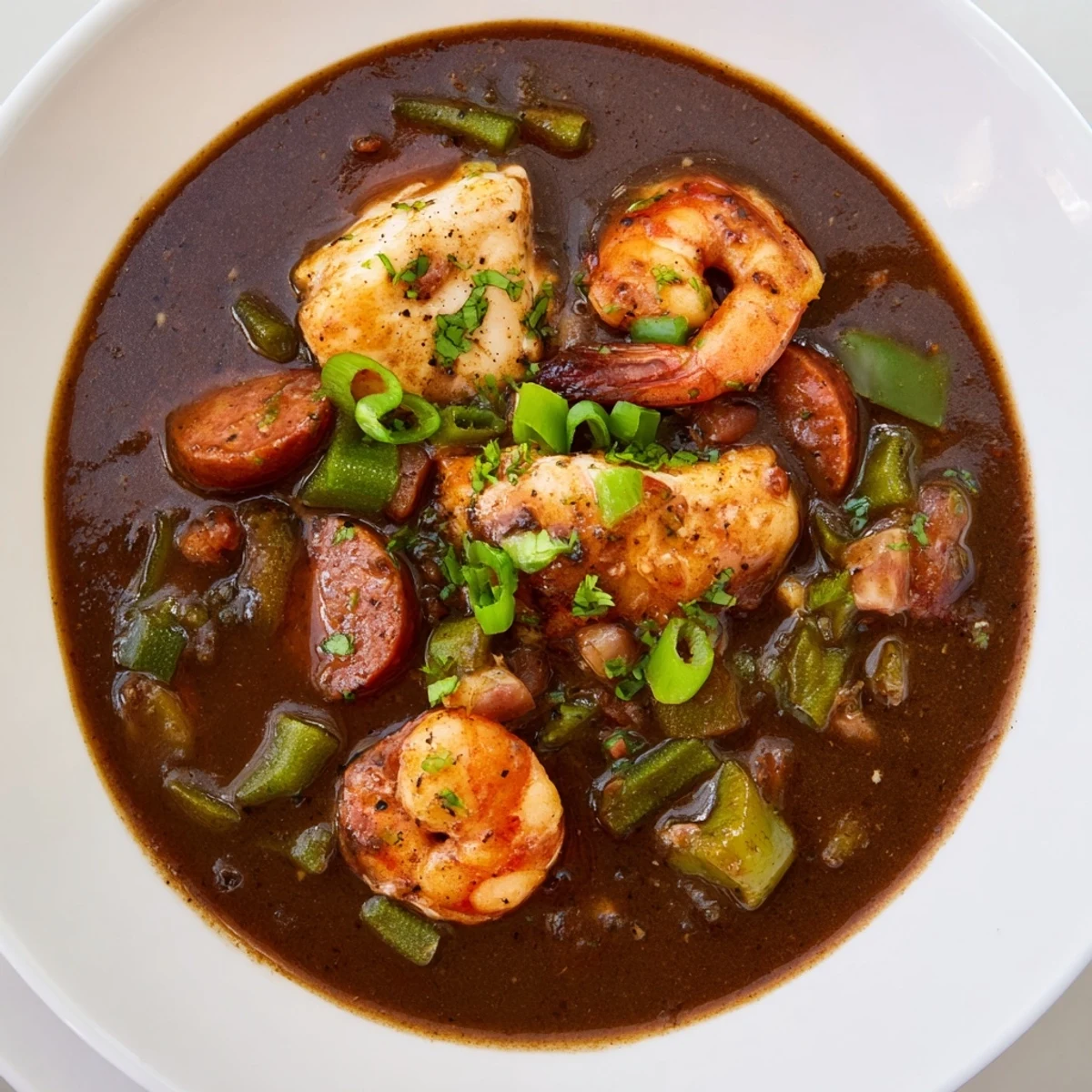
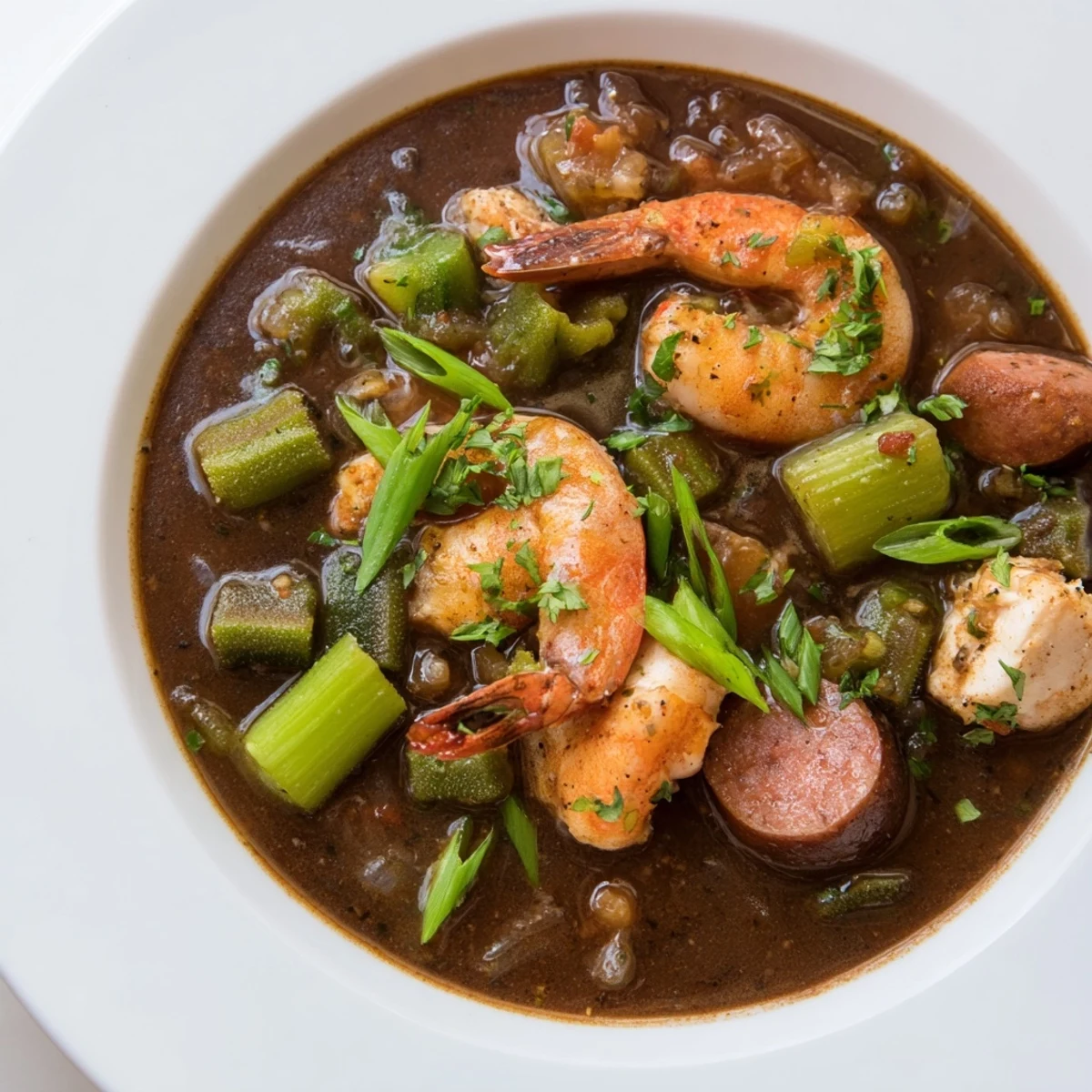
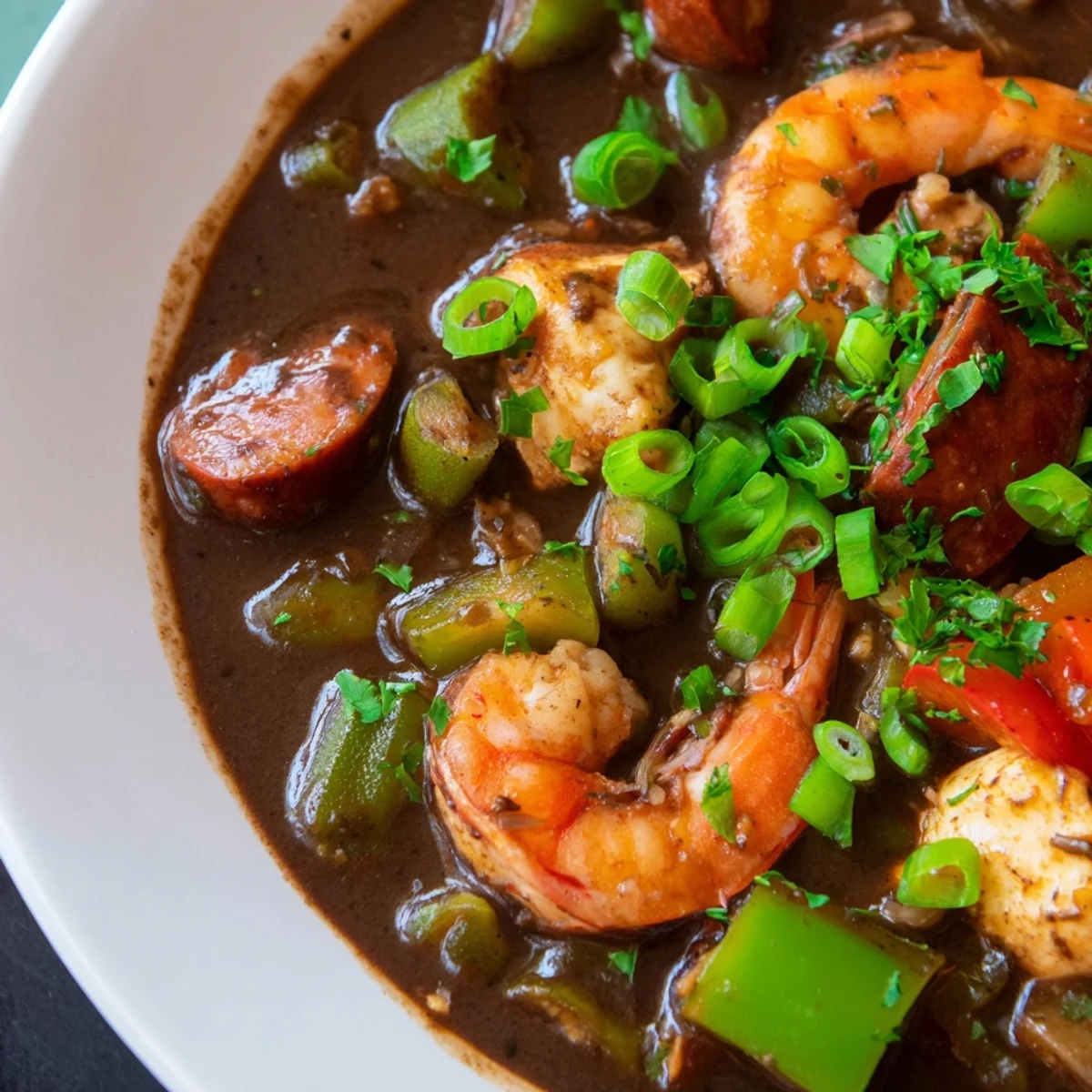
 This hearty Creole seafood gumbo features succulent shrimp, lump crabmeat, and firm white fish simmered with smoky andouille sausage and fresh okra. A deeply spiced roux forms the base, complemented by diced tomatoes, bell pepper, celery, and aromatic seasonings. Simmered slowly to meld flavors, it’s served hot over white rice and garnished with green onions and parsley for a true taste of Louisiana’s bayou-style cooking.
The first time I attempted a roux for gumbo, I stood over that pot for twenty-five minutes, certain I'd ruined it as the flour turned from golden to peanut butter brown to something resembling dark chocolate. My grandmother had warned me about burning it, but what she hadn't mentioned was that the really good stuffthe deep mahogany color that gives gumbo its soulrequires pushing past fear and trusting your nose. Now that smoky, nutty aroma hits my kitchen and I know something authentic is about to happen. There's something deeply satisfying about transforming simple flour and oil into the foundation of an entire culture's cooking.
Last winter during a brutal cold snap, my neighbor texted that she'd scored incredible fresh crab from the market and was coming over with wine. We spent three hours hovering over my Dutch oven, tasting and adjusting seasonings, while snow piled up outside the windows. That night, with steam rising from our bowls and jazz playing softly in the background, my tiny apartment felt suddenly transformed into something warmer and more generous than I'd known it could be.
Ingredients
- 1 lb large shrimp: peeled and deveined, because nobody wants to work for their protein in a finished dish
- 1 lb lump crabmeat: picked over carefully for shell fragments, those tiny sharp bits are the worst surprise in an otherwise perfect spoonful
- 1 lb firm white fish: snapper or catfish cut into chunks, something that won't fall apart during the final simmer
- 2 cups okra: sliced into half-inch rounds, fresh is worth seeking out here for that natural thickening magic
- 1 large onion: diced, this is part of your holy trinity foundation
- 1 green bell pepper: diced small so it melts into the background
- 2 celery stalks: diced, providing that essential aromatic base note
- 4 garlic cloves: minced fresh, nothing from a jar can compete here
- 1 (14 oz) can diced tomatoes: with all their juices, they add body and acidity
- 2 green onions: sliced thin for that final bright garnish
- 1/4 cup fresh parsley: chopped, adds a fresh herbal finish against all that richness
- 8 oz andouille sausage: sliced into rounds, the smoky pork flavor is non-negotiable for authentic depth
- 1/2 cup vegetable oil: for your roux, neutral flavor lets the flour's toasted notes shine
- 1/2 cup all-purpose flour: the roux foundation that will become the thickening heart of everything
- 6 cups seafood stock: homemade if you can manage it, but quality store-bought works beautifully
- 2 bay leaves: adding that subtle herbal backbone
- 1 tsp Worcestershire sauce: for that deep umami punch
- 1 tsp hot sauce: optional, unless you're from Louisiana then it's mandatory
- 2 tsp Creole seasoning: adjust based on your heat tolerance and brand intensity
- 1/2 tsp dried thyme: earthy and grounding
- 1/2 tsp cayenne pepper: the background hum of heat
- Salt and black pepper: to taste, but taste first before you add
- Cooked white rice: the traditional bed for all that glorious broth
Instructions
- Make your roux:
- In a large heavy-bottomed pot or Dutch oven, heat the oil over medium heat. Gradually whisk in the flour, stirring constantly until the mixture transforms into a deep chocolate brown, about 15 to 20 minutes. Do not walk away or check your phone, because burned roux cannot be saved and the difference between perfect and ruined is maybe thirty seconds.
- Build the aromatics:
- Add the onion, bell pepper, celery, and garlic to the roux, sautéing for 5 minutes until softened and fragrant. The vegetables will hiss and protest at first but then they'll surrender into something sweet and aromatic.
- Add your meat:
- Stir in the andouille sausage and cook for 3 minutes, letting those smoky juices release into the roux.
- Simmer the base:
- Add the diced tomatoes with their juices, okra, seafood stock, bay leaves, Worcestershire sauce, hot sauce if using, Creole seasoning, thyme, cayenne, salt, and pepper. Bring everything to a boil, then reduce heat and simmer uncovered for 30 minutes. Your kitchen should smell incredible right about now.
- Add your fish:
- Stir in the fish chunks and simmer for 5 minutes. Gently fold in the shrimp and crabmeat, cooking just until the shrimp turn pink and opaque, about 3 to 4 minutes. Overcooking the seafood here would be a tragedy, so watch closely.
- Final adjustments:
- Taste and adjust your seasonings as needed. Remove those bay leaves unless you want someone to have an unexpectedly crunchy dining experience.
- Service time:
- Ladle generously over mounds of hot white rice and finish with fresh green onions and parsley. Let people add their own hot sauce at the table.
 Pin to Pinterest
 My friend from New Orleans took one spoonful of this recipe, closed her eyes, and said it reminded her of her grandmother's kitchen on Sunday afternoons. That kind of reaction, that moment of connection through food, is exactly why I bother with the twenty-minute roux and the careful timing of the seafood. Some recipes are just worth the effort.
The Roux That Changes Everything
A dark roux is the difference between gumbo that's merely good and gumbo that people remember months later. I've learned that medium-low heat and relentless stirring are your friends, and that a wire whisk is better than a wooden spoon for getting into the corners of the pot. The color progression goes from pale yellow to peanut butter to milk chocolate to the deep mahogany you're after, and your nose will tell you when you've arrivedit should smell nutty and toasty, not at all like raw flour.
Seafood Timing Matters
The most common mistake I see is adding all the seafood at the beginning and letting it cook into oblivion. Shrimp turn into rubber and delicate fish falls apart, leaving you with a mess instead of the distinct, tender bites that make this dish special. Add the fish first, give it five minutes, then gently fold in the shrimp and crabmeat at the very end just until they're cooked through.
Making It Your Own
Some days I add more cayenne if I'm feeling bold, other times I dial back the heat for guests who can't handle it. The okra amount is flexible too, though I wouldn't skip it entirely because that thickening power is genuine magic. If andouille isn't available, a good-quality smoked sausage will work, but you might want to bump up the Creole seasoning slightly to compensate.
- File powder sprinkled at the table adds an authentic thickener and herbal note
- A splash of apple cider vinegar can brighten everything if it feels too heavy
- This recipe doubles beautifully if you're feeding a crowd or just want leftovers all week
 Pin to Pinterest
 Gumbo is one of those dishes that teaches you patience and rewards attention to detail. Maybe that's why it tastes like love in a bowl.
Recipe FAQs
- → What seafood works best for this dish?
-
Large shrimp, lump crabmeat, and firm white fish like snapper or catfish are ideal for balancing flavors and textures.
- → How is the dark roux prepared?
-
Whisk flour gradually into heated oil and cook over medium heat, stirring constantly until it reaches a deep chocolate brown, about 15–20 minutes.
- → Can the sausage be substituted?
-
Yes, chicken or turkey sausage can replace andouille sausage while preserving flavor nuances.
- → How should the gumbo be served?
-
Serve hot over cooked white rice and garnish with sliced green onions and chopped fresh parsley for added freshness.
- → What spices enhance the Creole flavor?
-
Creole seasoning, thyme, cayenne pepper, and Worcestershire sauce create a balanced, spicy, and smoky profile.