
 Pin to Pinterest
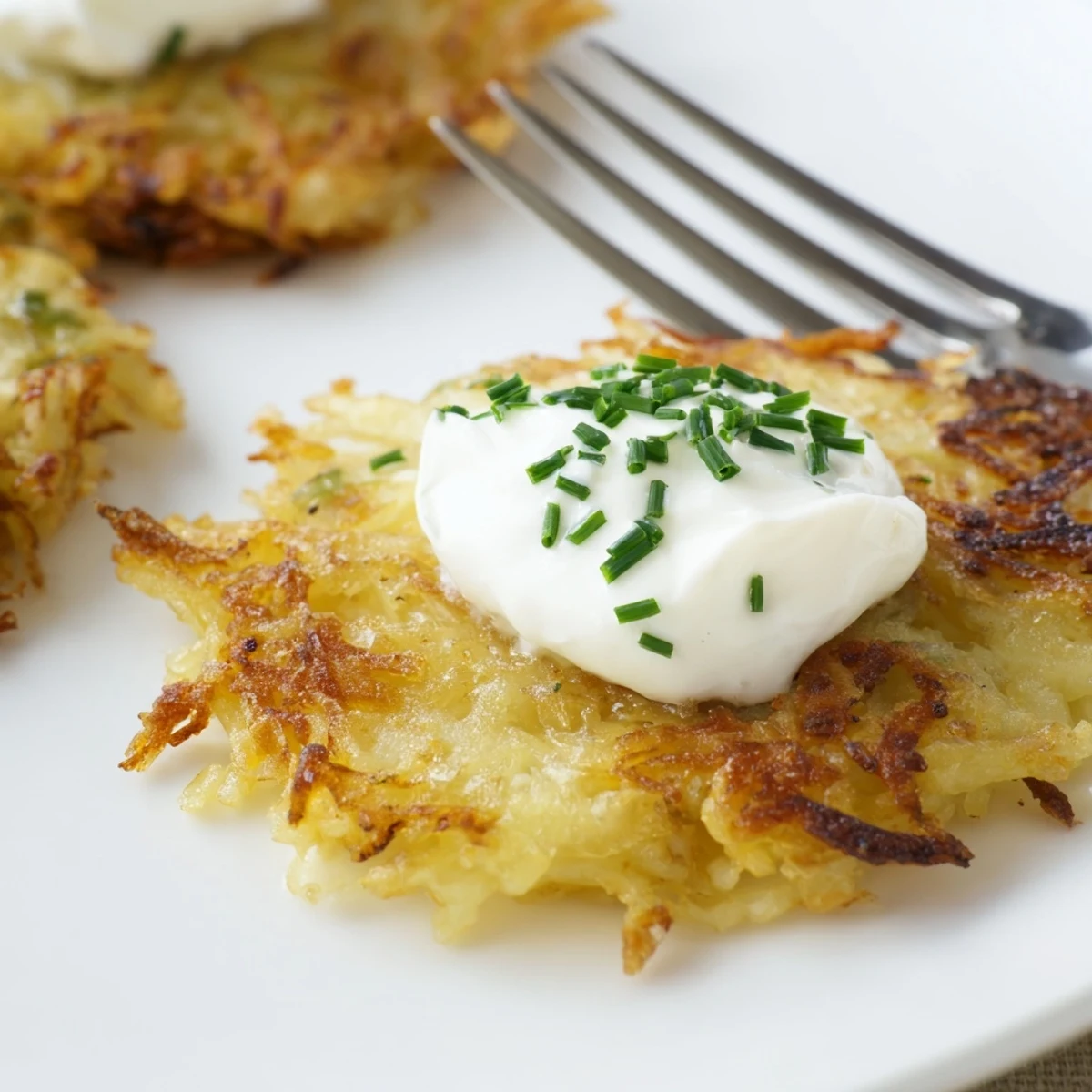
 This dish features shredded russet potatoes and onion combined with eggs and flour, seasoned with salt and pepper. The mixture is shaped into patties and pan-fried in vegetable oil until golden and crisp. Serve hot with a dollop of sour cream and optional chives or scallions for a traditional Eastern European delight. For extra crispiness, fry in small batches and keep warm in the oven before serving. Variations include adding sweet potato or zucchini for a twist.
There's something about the sound of latkes hitting hot oil that pulls me back to my grandmother's kitchen every single time. The sizzle would start before I even finished grating the potatoes, and by the time the first batch went in, the whole house smelled like comfort itself. She'd let me stand on a stool to watch them turn from pale to golden, and I was convinced that my presence made them crispier. Now when I make them, I realize she was right—there's real magic in the attention you pay.
I made these for a Hanukkah dinner where my friend brought her new partner, and I was nervous about whether everything would come together. I had the oil ready, the potatoes prepped, and somewhere between the third and fourth batch, he came into the kitchen asking if he could help. We ended up standing side by side at the stove, him flipping latkes while I squeezed out potato liquid, and by the end of the night, these humble pancakes had become the story everyone kept retelling.
Ingredients
- Russet potatoes (900 g): Their starch content is what makes these crispy outside while staying tender within; don't swap for waxy potatoes or you'll lose that magical contrast.
- Yellow onion (1 medium): The onion adds moisture that helps bind everything together and creates those delicate crispy edges when it caramelizes slightly in the oil.
- Eggs (2 large): These act as your glue, holding the shredded potatoes together; any smaller and your latkes might fall apart mid-fry.
- All-purpose flour (50 g): Just enough to give structure without making them heavy or dense.
- Kosher salt (1 ½ tsp): Season generously because the potatoes will absorb a lot; taste as you mix.
- Freshly ground black pepper (½ tsp): Freshly cracked makes a real difference in brightness, though don't overpower the delicate potato flavor.
- Vegetable oil (120 ml): Use neutral oil with a high smoke point; I've tried olive oil and it tastes wrong and burns too easily.
- Sour cream (240 ml): Cold sour cream is essential—it cools down each bite and cuts through the richness in the best possible way.
Instructions
- Grate everything:
- Use the large holes on your box grater or pulse in a food processor until you have fine, consistent shreds. This takes patience but it matters—uneven pieces cook at different rates.
- Squeeze out the water:
- This is where most people fail, so listen: wrap your grated potatoes and onion in a clean kitchen towel and wring it like you mean it. You'll be shocked how much liquid comes out, but that's what makes them crispy, not soggy.
- Mix the batter:
- Combine the squeezed mixture with eggs, flour, salt, and pepper in a bowl, stirring until everything is evenly coated and holds together when you scoop it. If it feels too loose, add a tablespoon more flour.
- Heat your oil:
- Pour the vegetable oil into a large skillet and let it get shimmering hot over medium-high heat—you want to hear it whisper when you add a test piece of potato. If it smokes aggressively, it's too hot; if nothing happens, wait a bit longer.
- Form and fry:
- Scoop about 2 tablespoons of batter per latke and gently flatten it with your spatula right in the oil, creating a pancake about ¼-inch thick. Don't crowd the pan or they'll steam instead of crisp.
- Watch for the golden moment:
- Fry for 3 to 5 minutes per side until the edges look deep golden and crispy, not just pale yellow. The bottom should sound crunchy when you tap it with the spatula.
- Drain and repeat:
- Transfer finished latkes to a paper towel-lined plate, add more oil as needed, and keep going with the remaining batter. Batch frying keeps them crisp rather than steaming each other.
 Pin to Pinterest
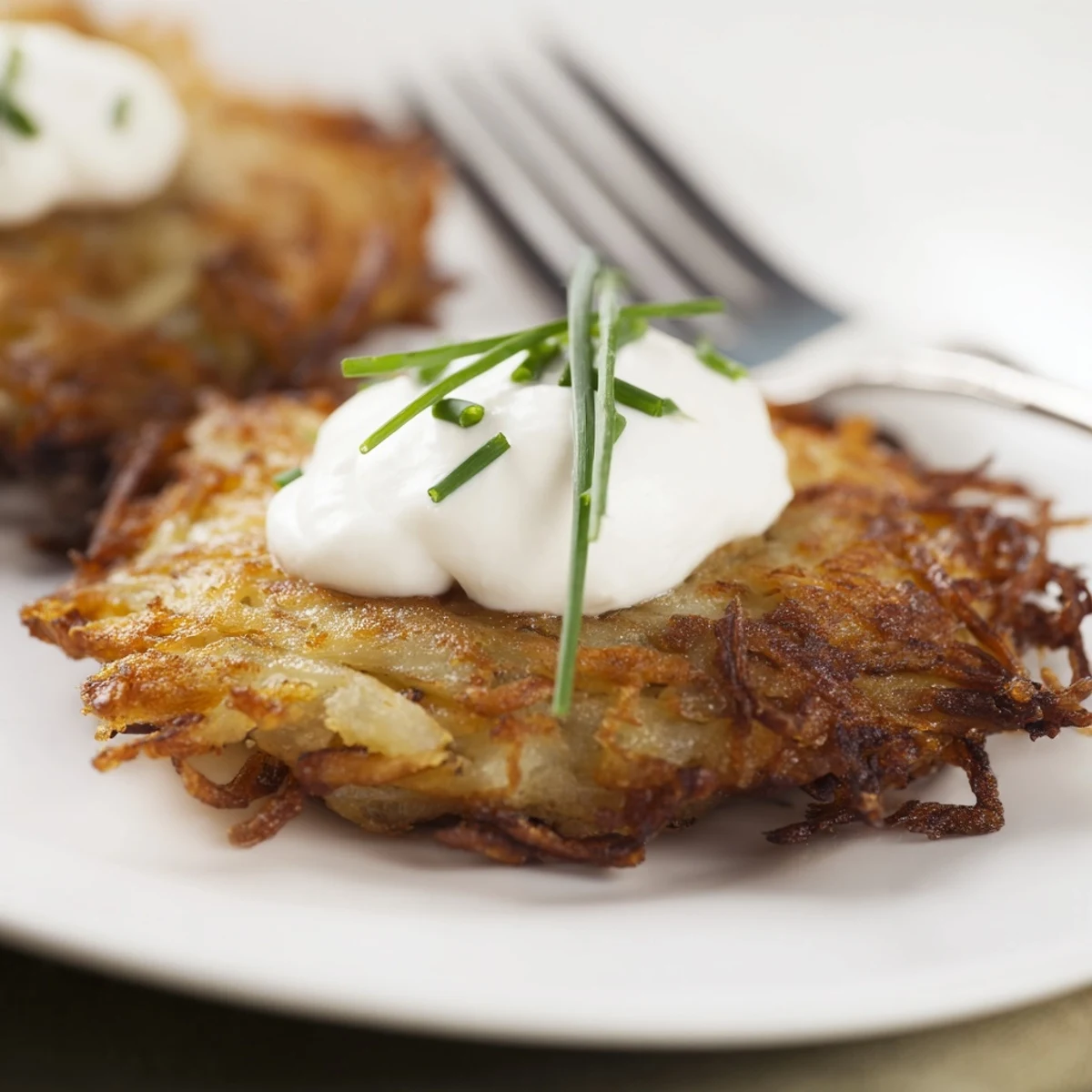
 There was an evening when my five-year-old nephew declared these 'better than birthday cake' and asked for them at his actual birthday party. Seeing him dip them in sour cream with absolute focus, like he was doing something important, made me realize that good food isn't about complexity—it's about showing up and caring enough to get the details right.
Keeping Them Warm Without Losing the Crisp
If you're making these for a crowd and can't serve them all at once, place finished latkes on a wire rack set over a baking sheet in a 95°C (200°F) oven. The rack keeps them elevated so air circulates underneath instead of creating steam that softens them. I learned this after showing up to a potluck with a pile of sad, soggy latkes, and now this trick is non-negotiable.
Flavor Variations Worth Trying
Once you've mastered the classic version, you can start playing around. Sweet potato adds earthiness and natural sweetness, while zucchini keeps things light and almost summery—though you'll need to squeeze zucchini even harder than regular potatoes because it holds onto water stubbornly. A friend added fresh dill to hers once, and the change was subtle but it shifted the whole mood from hearty to herbaceous in the best way.
Serving and Storage
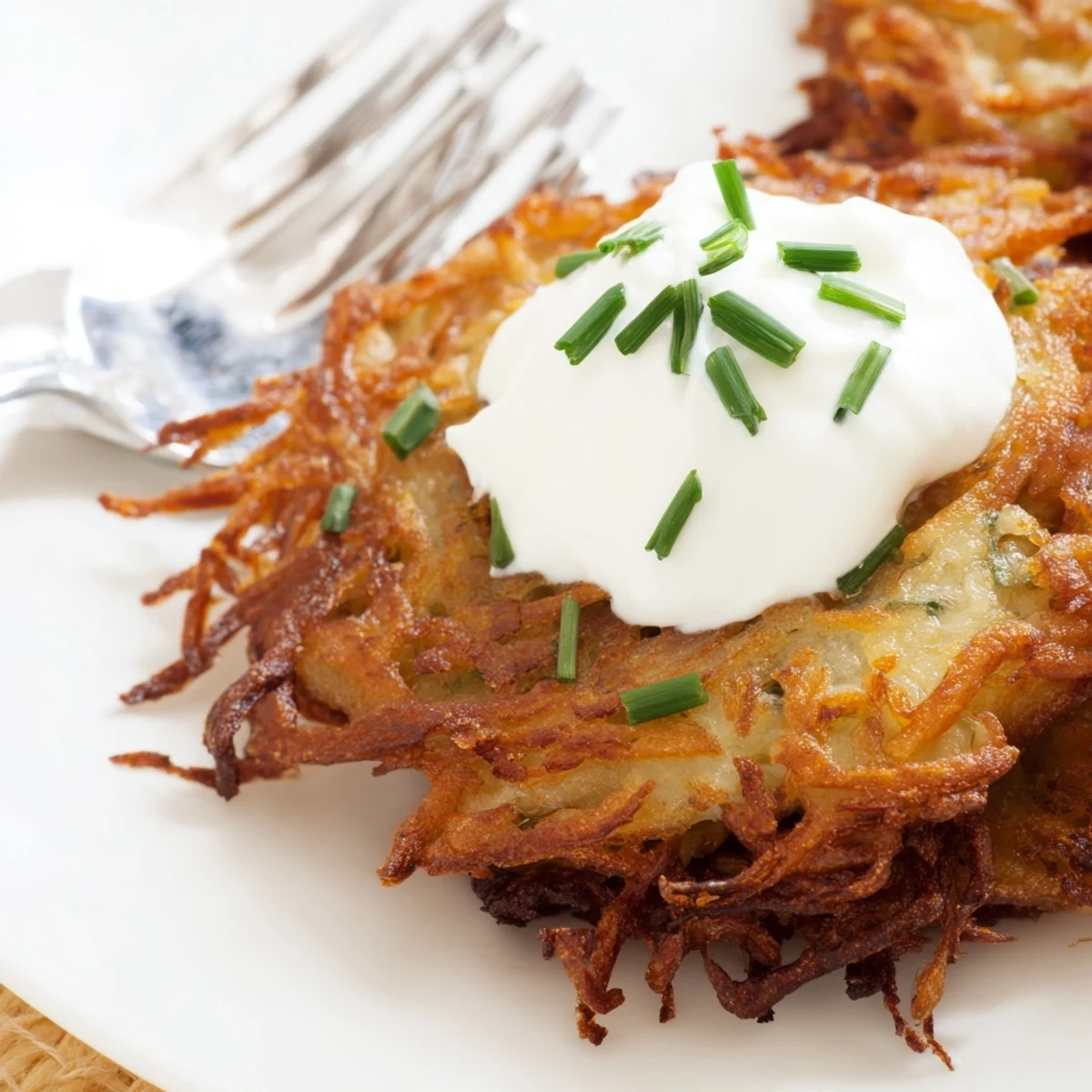
Latkes are best served hot with cold sour cream right alongside them, maybe with a small pile of chopped chives or scallions scattered on top. They'll keep in an airtight container in the fridge for up to three days, and you can reheat them in a 180°C (350°F) oven for about 10 minutes to restore some of their crispiness. Honestly, cold latke and sour cream makes a surprisingly good breakfast the next morning if you have any left.
- Don't microwave them or they'll turn into rubber.
- You can freeze uncooked latkes on a tray, then bag them and fry straight from frozen, adding just a minute or two to cooking time.
- Sour cream is traditional, but Greek yogurt works in a pinch if that's what you have on hand.
 Pin to Pinterest
 There's something timeless about a food that brings people to the table and makes them pause mid-conversation to appreciate how good it tastes. These latkes do that for me every time.
Recipe FAQs
- → What type of potatoes work best?
-
Russet potatoes are ideal due to their starchy texture, which helps create crispy, tender latkes.
- → How do I achieve extra crispy latkes?
-
Fry latkes in small batches to avoid crowding the pan, and squeeze out excess liquid from the grated potatoes before cooking.
- → Can I substitute the flour for gluten-free options?
-
Yes, certified gluten-free flour can be used to accommodate gluten sensitivities without affecting texture much.
- → What is the best way to keep latkes warm and crisp before serving?
-
Place cooked latkes on a wire rack in a low oven (about 95°C or 200°F) to maintain warmth and crispiness.
- → Are there variations to the traditional potatoes used?
-
Try including sweet potato or zucchini along with regular potatoes for a flavorful twist on the classic texture.