
 Pin to Pinterest
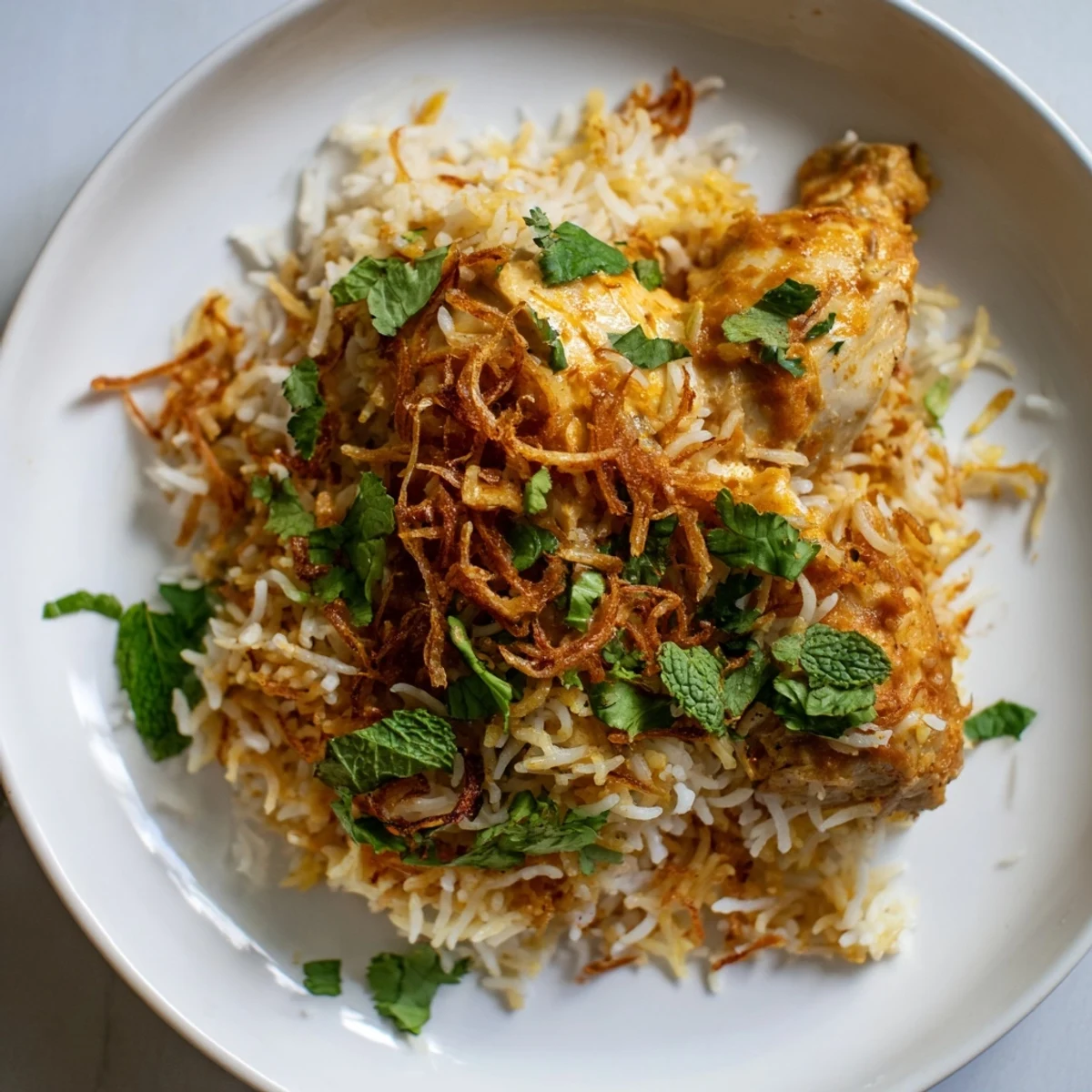
 This luxurious Indian dish combines marinated chicken thighs in a creamy tomato-based sauce with partially cooked basmati rice. The components are layered in a traditional dum style, infused with saffron milk, melted butter, fried onions, and fresh herbs like cilantro and mint. After slow cooking, the rice absorbs all the rich flavors while remaining fluffy and separate.
The preparation involves marinating chicken in yogurt and spices, creating a velvety sauce with tomatoes and cream, and par-cooking rice with whole spices. The final assembly creates distinct layers that steam together, allowing the aromatic spices including garam masala, cumin, and cardamom to permeate every grain.
The first time I made biryani, my entire apartment building smelled like an Indian restaurant. My neighbor actually knocked on my door asking if I was secretly running a catering business. That rich, layered aroma of saffron, garam masala, and butter is something you just cannot fake.
I made this for my fathers birthday last year. He is usually critical of my attempts at Indian cuisine, claiming nothing beats his favorite restaurant. When he took that first bite and went completely silent for a full minute, I knew I had nailed it.
Ingredients
- Chicken thighs: Dark meat stays juicy and tender through the long cooking process, unlike breast meat which can dry out
- Greek yogurt: The acidity tenderizes the chicken while the thick texture helps the marinade cling to every piece
- Basmati rice: Soaking it for 30 minutes prevents the grains from breaking and ensures they cook up fluffy and separate
- Saffron: Steeping it in warm milk releases those gorgeous golden compounds and subtle floral notes
- Fried onions: They add a sweet, savory crunch that contrasts beautifully with the tender rice and creamy chicken
- Heavy cream: This transforms the tomato based sauce into something velvety and luxurious
Instructions
- Marinate the chicken:
- Combine yogurt, lemon juice, ginger, garlic, and all the spices in a large bowl. Add the chicken pieces and turn them until every surface is coated. Cover and refrigerate for at least one hour, though overnight gives you the deepest flavor penetration.
- Par cook the rice:
- Bring your water to a boil with bay leaves, cardamom, cloves, cinnamon, and salt. Add the soaked rice and cook until the grains are 70% done, about 7 to 8 minutes. Drain immediately and set aside.
- Build the butter chicken base:
- Melt butter with oil in a large skillet over medium heat. Sauté your onions until they turn golden brown. Stir in ginger and garlic paste for one minute, then add the marinated chicken and cook until lightly browned on all sides.
- Create the creamy sauce:
- Sprinkle in garam masala, cumin, paprika, and chili powder. Add crushed tomatoes and let everything simmer for 10 minutes. Pour in the heavy cream and sugar, season with salt, and continue simmering until the sauce thickens nicely and the chicken is fully cooked through.
- Layer the biryani:
- Spread half the butter chicken sauce in the bottom of your Dutch oven. Top with half the par cooked rice. Drizzle with half the saffron milk, melted butter, fried onions, cilantro, and mint. Repeat with the remaining ingredients to create beautiful distinct layers.
- Steam to perfection:
- Cover the pot tightly with foil and a lid. Bake at 350°F for 25 minutes, or cook on the lowest heat setting on your stovetop. Let it rest for 10 minutes before fluffing gently and serving.
 Pin to Pinterest
 My roommate walked in while I was layering the biryani and asked why I was putting so much effort into a weeknight dinner. When she tasted it later that evening, she completely understood. Some dishes are worth every single step.
Make Ahead Magic
The butter chicken sauce actually tastes better the next day, so I often make it a day ahead and keep it refrigerated. The rice is best cooked fresh, but having the sauce ready to go cuts your prep time in half.
Serving Suggestions
A cool cucumber raita balances the rich spices perfectly. I also like to set out some fresh lime wedges, pickled onions, and extra fried onions for people to customize their bowls.
Getting The Layers Right
The secret is in how you assemble those layers. Do not mix everything together, instead keep each layer distinct so you get pockets of pure rice, pockets of sauce, and pockets where they have married together.
- Use the back of a spoon to gently spread each layer without pressing down too hard
- Sprinkle your garnishes across the entire surface rather than dumping them in one spot
- Resist the urge to peek while it steams, that trapped steam is what cooks the rice through
 Pin to Pinterest
 There is something deeply satisfying about serving biryani to friends and watching their eyes light up when they lift that lid.
Recipe FAQs
- → What makes biryani different from regular rice dishes?
-
Biryani involves layering partially cooked rice with spiced meat or vegetables, then steaming them together. This technique allows the rice to absorb the aromatic flavors while maintaining its texture, creating distinct layers of taste in every serving.
- → Can I prepare biryani ahead of time?
-
Yes, you can marinate the chicken overnight and prepare the sauce in advance. Assemble and cook the biryani just before serving for the best texture and flavor. Leftovers reheat well in the microwave or covered in the oven.
- → What should I serve with butter chicken biryani?
-
Pair with cooling raita (yogurt sauce), cucumber salad, or pickled onions. These refreshing sides balance the rich, spiced flavors. A simple papad or naan bread also complements the dish beautifully.
- → How do I know when the rice is 70% cooked?
-
Taste a grain of rice—it should be slightly firm in the center but soft on the outside. This usually takes 7-8 minutes of boiling. The rice will finish cooking during the steaming phase with the chicken sauce.
- → Can I make this vegetarian?
-
Absolutely. Substitute paneer cubes or mixed vegetables like cauliflower, carrots, and peas for the chicken. Adjust cooking time as vegetables cook faster than meat. The creamy sauce and layered technique work perfectly with vegetarian alternatives.
- → Why is saffron important in biryani?
-
Saffron adds a distinctive golden color and subtle floral aroma that's essential to authentic biryani. Soaking the threads in warm milk releases their flavor and color, which then infuses the rice layers during the final cooking stage.