
 Pin to Pinterest
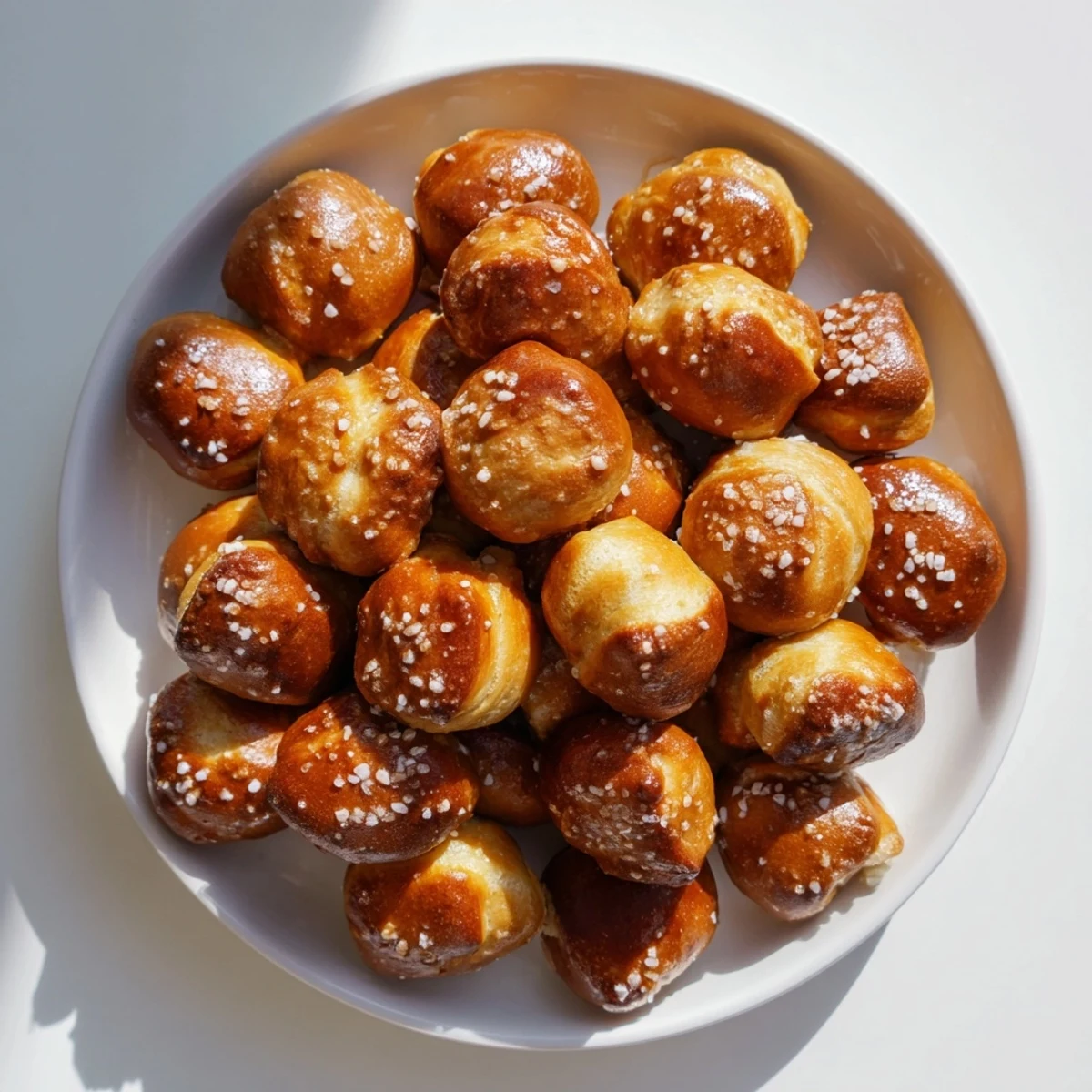
 These homemade pretzel bites deliver that classic German-American bakehouse flavor with a soft, chewy interior and golden-brown exterior. The secret lies in the traditional baking soda bath, which gives each piece its signature deep color and distinctive pretzel taste.
Perfect for game day gatherings, parties, or weekend snacking, these bite-sized treats come together in just over an hour. The dough comes together quickly with pantry staples, requires a simple rise, then gets transformed through a quick boiling step before baking to golden perfection.
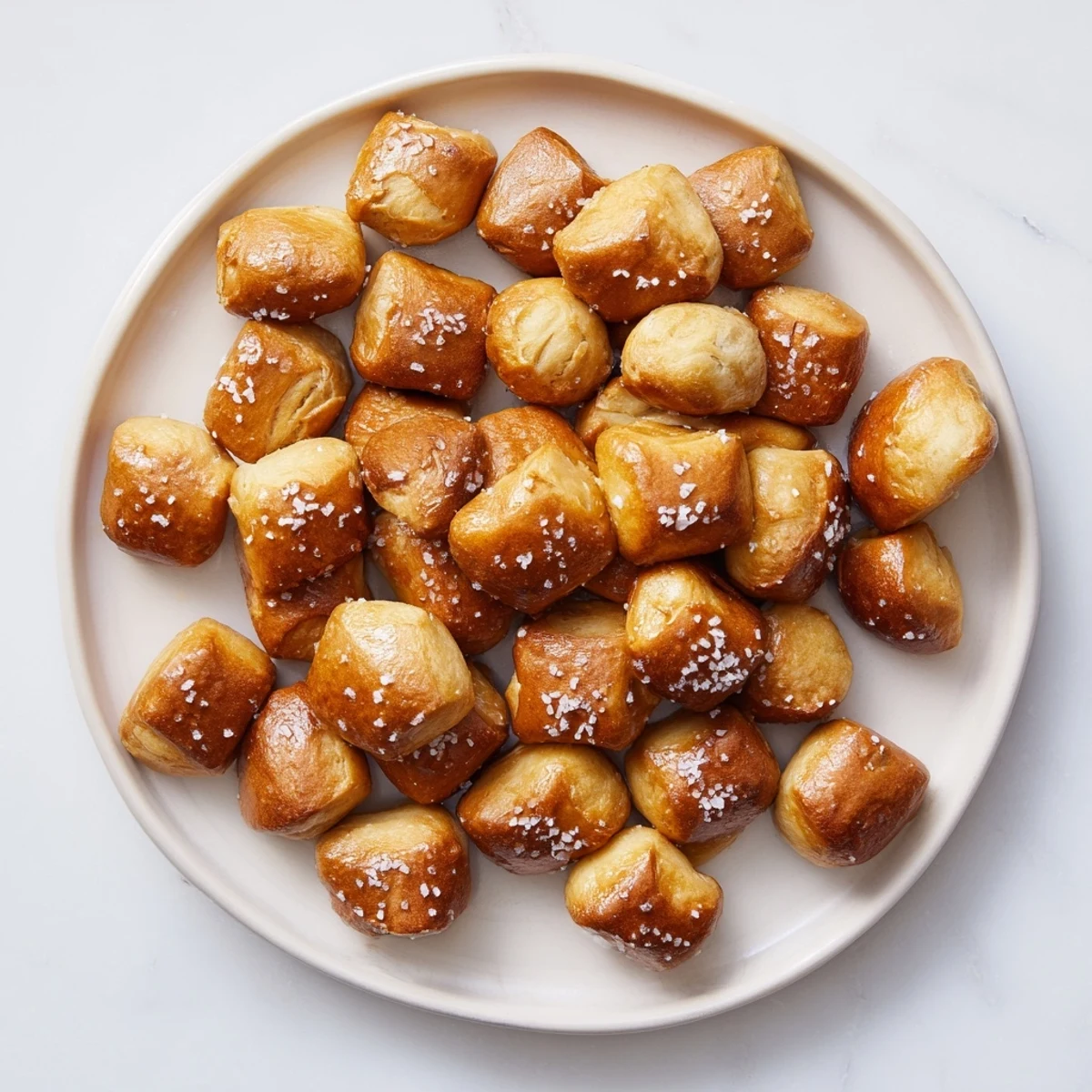
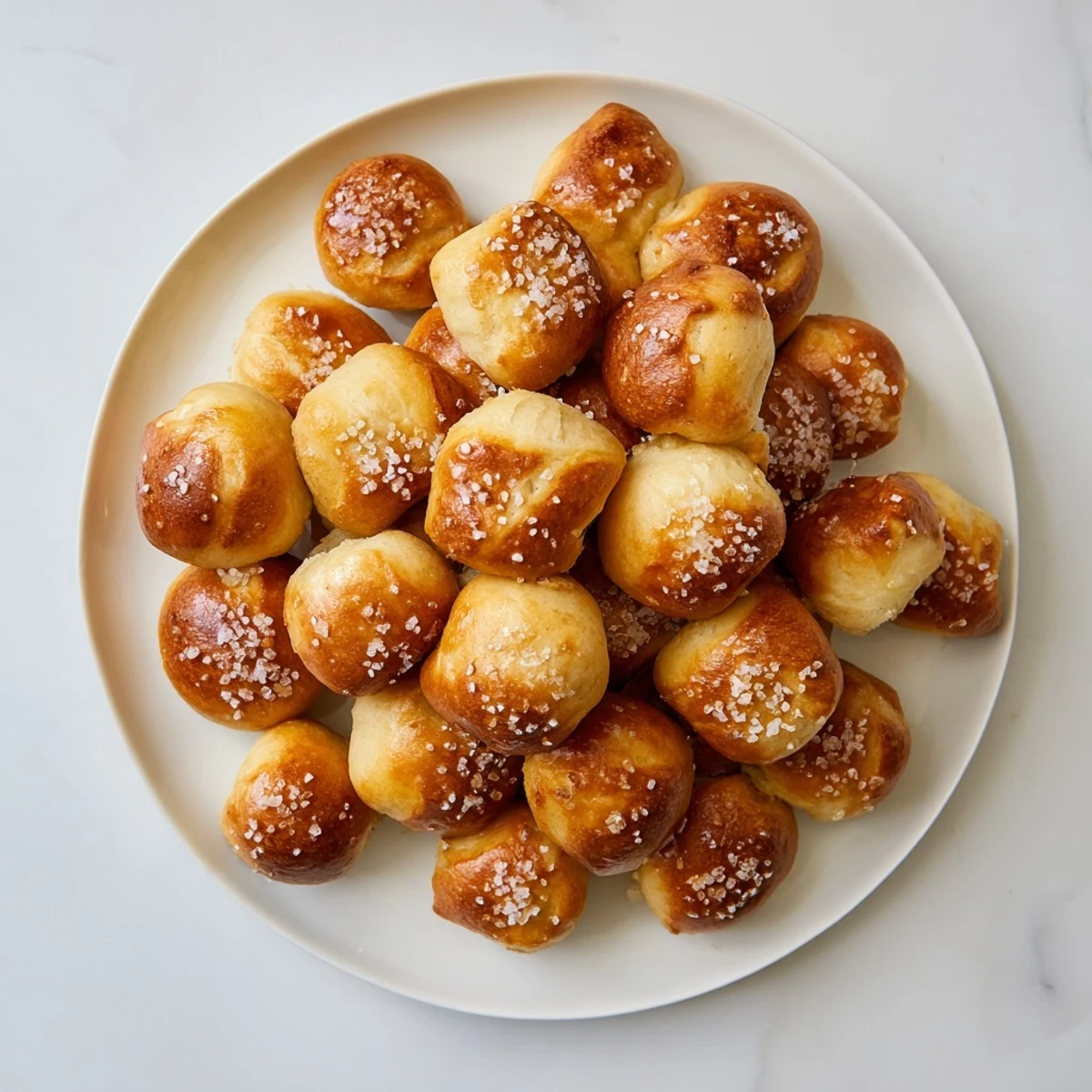
Brush with egg wash and sprinkle with coarse sea salt for that authentic finish. Serve them warm alongside beer cheese, spicy mustard, or honey mustard for dipping. They're best enjoyed fresh from the oven but reheat beautifully for later snacking.
The smell of boiling baking soda wafting through my kitchen on a rainy Saturday afternoon is something I will never forget. My daughter walked in, wrinkled her nose, and asked if I was cleaning the oven again. An hour later she was standing at the counter shoving warm pretzel bites into her mouth faster than I could bake them, and I knew this recipe was a keeper.
I made these for a neighborhood potluck last fall and brought three trays thinking it would be plenty. My neighbor Greg stationed himself next to the platter and polished off an entire tray before the burgers even came off the grill. His wife eventually dragged him away, but he came back twice more before the night ended.
Ingredients
- Warm water (110 degrees F): Think bath temperature, not hot tea. Water that is too hot kills the yeast instantly, which I learned the hard way on my second attempt.
- Active dry yeast: One standard packet is all you need. Always check the expiration date because stale yeast leads to flat, sad pretzels.
- Granulated sugar: Just a tablespoon feeds the yeast and adds the faintest sweetness to the dough.
- All-purpose flour: Bread flour works too, but all-purpose gives that tender chew we all crave in a soft pretzel.
- Salt: One teaspoon in the dough balances everything. Do not skip it or the bites taste oddly flat.
- Unsalted butter, melted: This enriches the dough and keeps it soft. I once forgot it and the texture was noticeably drier.
- Baking soda: Two-thirds of a cup seems like a lot, but this alkaline bath is what creates that deep brown crust and pretzel flavor.
- Water for the bath: Ten cups is necessary to give the bites room to swim. Use your largest pot.
- Egg wash: One beaten egg with a splash of water gives that gorgeous shiny finish.
- Coarse sea salt: The big, flaky crystals are what make these look and taste like they came from a bakery stand.
Instructions
- Wake up the yeast:
- Pour the warm water into a large bowl, sprinkle in the yeast and sugar, and stir gently. Wait five minutes until the surface looks foamy and alive, like a science experiment on your counter.
- Build the dough:
- Add the flour, salt, and melted butter to the foamy yeast mixture. Stir with a wooden spoon until everything comes together into a shaggy, slightly sticky mass.
- Knead until smooth:
- Turn the dough onto a lightly floured surface and knead for five to seven minutes. Push it away with the heel of your hand, fold it back, and repeat until it feels smooth and springs back when poked.
- Let it rise:
- Place the dough in a greased bowl, cover it with plastic wrap, and tuck it somewhere warm for thirty minutes. It should puff up to roughly double its size.
- Prep your stations:
- While the dough rises, preheat your oven to 425 degrees F and line two baking sheets with parchment paper. Get your largest pot ready for the baking soda bath.
- Boil the bath:
- Bring ten cups of water and the baking soda to a rolling boil. It will fizz dramatically at first, so add the soda slowly and step back.
- Shape the bites:
- Punch down the dough and divide it into six equal pieces. Roll each piece into an eighteen-inch rope and cut it into one-inch segments. Try to keep them uniform so they bake evenly.
- Take the plunge:
- Drop the bites into the boiling bath in batches, about ten at a time, for twenty to thirty seconds. Fish them out with a slotted spoon and arrange them on the parchment, leaving a little space between each one.
- Brush and salt:
- Brush each bite with egg wash, making sure to coat the sides too. Sprinkle generously with coarse sea salt while the wash is still wet so it sticks.
- Bake to golden perfection:
- Slide the sheets into the oven and bake for twelve to fifteen minutes until they are deeply golden and smell incredible. Rotate the pans halfway through if your oven has hot spots.
- Cool and serve:
- Let them rest for just a few minutes because the inside stays scorchingly hot. Serve warm with mustard, beer cheese, or whatever dip makes you happy.
 Pin to Pinterest
 The best batch I ever made was the one where I messed up the salt measurement and accidentally doubled it. Everyone raved about how authentic they tasted, and now I do it on purpose every single time.
The Cinnamon-Sugar Plot Twist
Skip the coarse salt entirely and bake the bites plain. The moment they come out of the oven, brush them with melted butter and tumble them in a bowl of cinnamon sugar until every surface is coated. These vanish even faster than the salty version, which I did not think was possible until my son ate an entire batch standing at the stove.
Reheating Without Ruining Them
Fresh is always best, but leftovers happen. Pop them into a 350 degree F oven for five minutes and they come back to life with almost the same chew. The microwave turns them rubbery, which is a tragedy I have committed more times than I care to admit.
What to Dip Them In
Spicy brown mustard is the classic choice and my personal favorite, but beer cheese sauce turns these into something worthy of a sports bar appetizer menu.
- Honey mustard is the crowd-pleaser that wins over anyone who claims they do not like pretzels.
- A simple melted cheddar sauce with a dash of hot sauce takes five minutes and changes everything.
- Always make more dip than you think you need, because running out halfway through is a party foul.
 Pin to Pinterest
 Once you master these, you will never look at a bag of frozen pretzel bites the same way again. Your kitchen will smell like a bakery, your friends will request them by name, and you will secretly know how easy it actually was.
Recipe FAQs
- → Why do pretzel bites need a baking soda bath?
-
The baking soda bath is essential for achieving that classic pretzel flavor and deep golden-brown color. The alkaline water gelatinizes the dough's surface, creating the distinctive chewy texture and pretzel taste we all love. Skipping this step results in ordinary bread bites rather than authentic pretzels.
- → Can I make the dough ahead of time?
-
Yes, you can prepare the dough and let it complete its first rise, then refrigerate it for up to 24 hours. When ready to bake, let the dough come to room temperature for about 30 minutes before rolling and cutting into bites. The cold fermentation can actually enhance flavor development.
- → What's the best way to store leftover pretzel bites?
-
Store cooled pretzel bites in an airtight container at room temperature for up to 2 days. For longer storage, freeze them in a freezer bag for up to 3 months. Reheat in a 350°F oven for 5 minutes to restore that fresh-baked texture and warmth. Microwaving tends to make them chewy rather than crispy.
- → Can I use instant yeast instead of active dry yeast?
-
Absolutely. You can substitute instant yeast 1:1 for active dry yeast. The benefit is you can skip the initial 5-minute blooming step and mix it directly with the flour. However, the dough may rise slightly faster, so keep an eye on it during the first rise to prevent over-proofing.
- → What other toppings work well besides coarse salt?
-
Get creative with toppings! Try everything bagel seasoning, garlic powder and parmesan, sesame seeds, poppy seeds, or crushed rosemary. For a sweet version, skip the salt and brush the baked bites with melted butter, then toss in cinnamon-sugar mixture. A jalapeño and cheddar topping adds savory heat.
- → Why did my pretzel bites turn out dense or hard?
-
Dense pretzel bites usually result from over-kneading (which develops too much gluten), under-proofing (not letting the dough rise enough), or over-baking. Hard bites typically indicate they baked too long or the oven temperature was too high. Ensure proper rising time and check for doneness at the 12-minute mark.