
 Pin to Pinterest
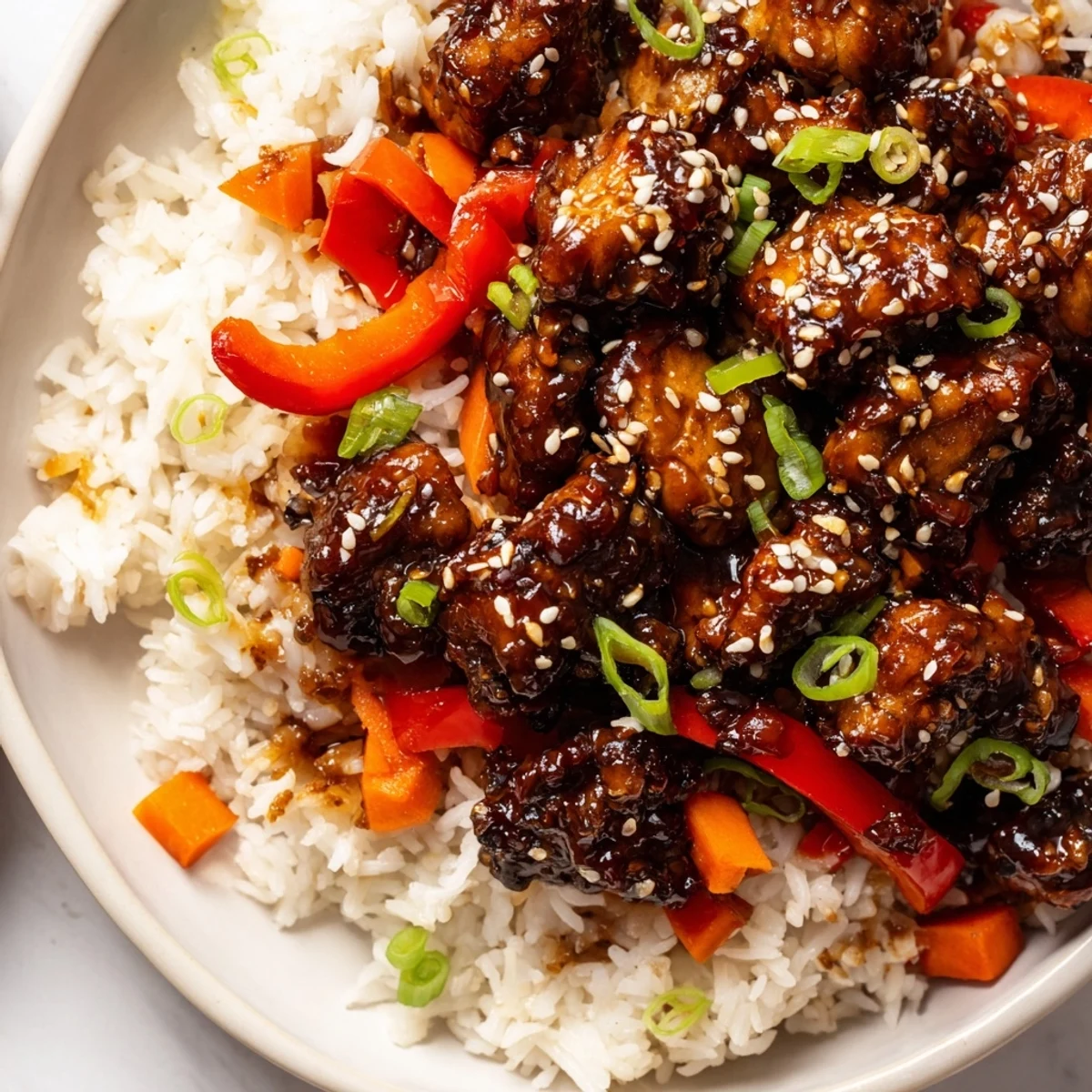
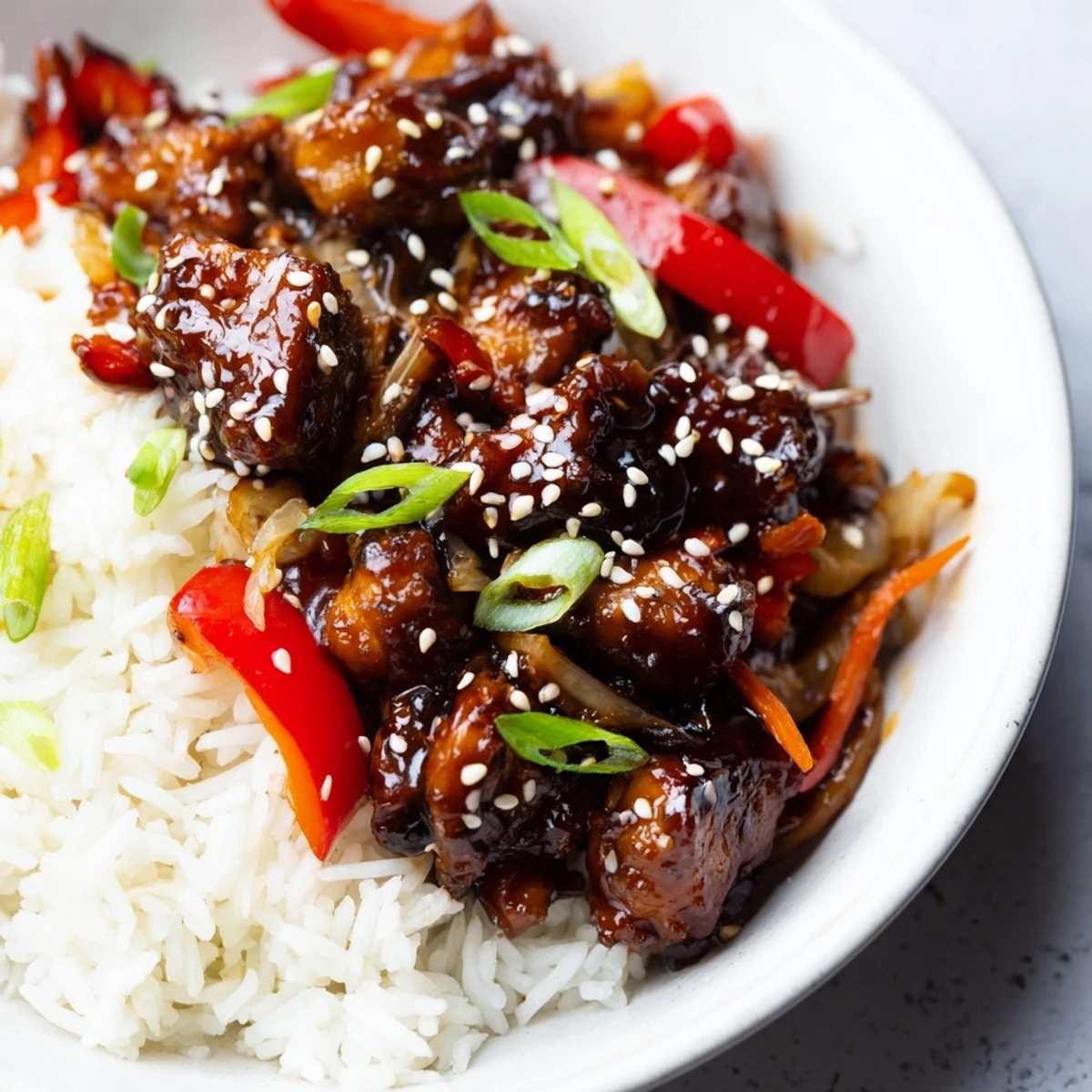
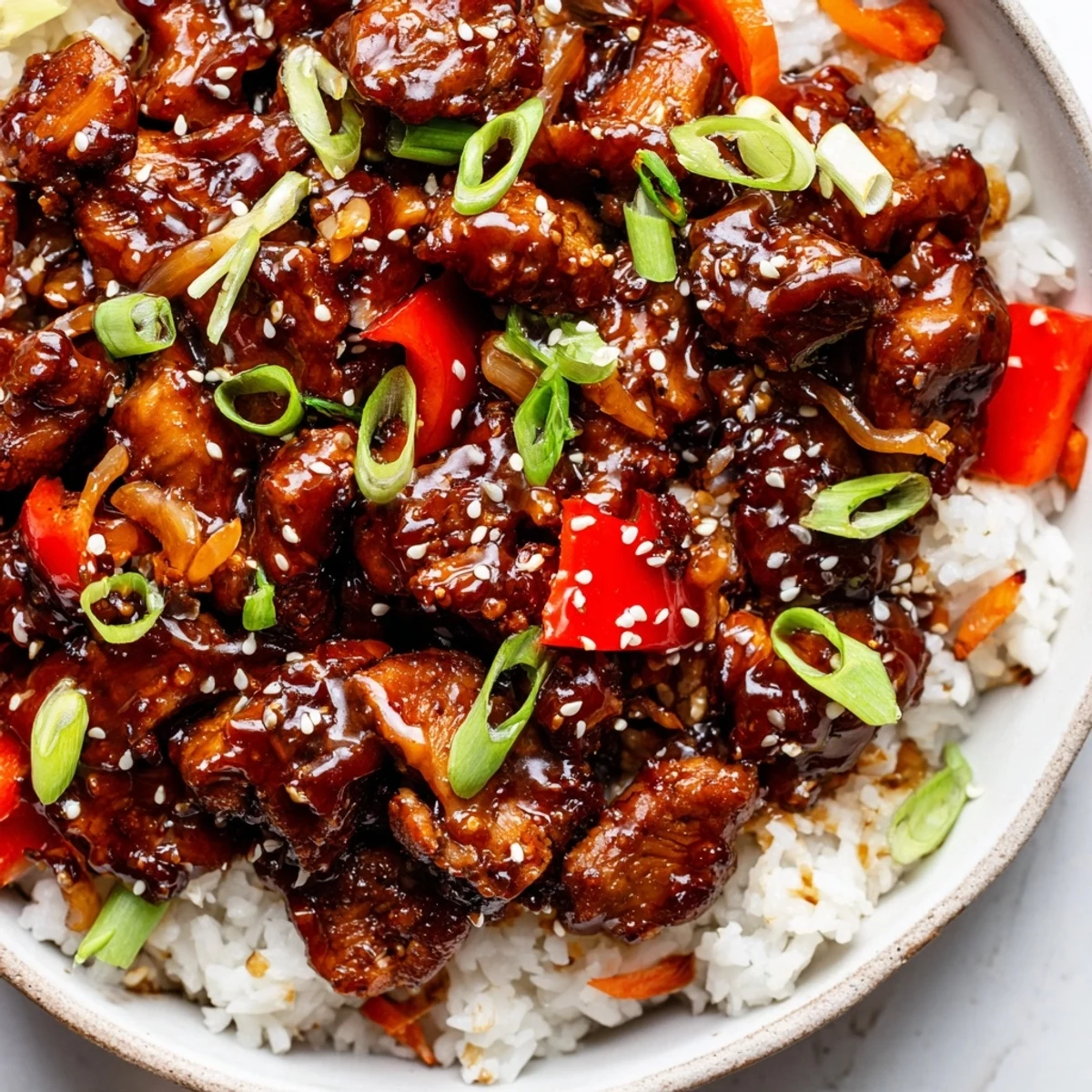
 This one-pan Korean BBQ chicken and rice brings bold flavors to your weeknight table with minimal cleanup. Succulent chicken thighs marinate in a blend of Korean BBQ sauce, soy, sesame oil, and aromatics before being seared to golden perfection.
Colorful vegetables add crunch and nutrition while jasmine rice soaks up all the savory cooking liquid. The dish simmers covered until the rice is fluffy and tender, then finishes with a five-minute rest for optimal texture.
Garnish with green onions and sesame seeds, and serve alongside kimchi for an authentic touch. Ready in under an hour with just one pan to wash.
The sizzle of chicken hitting a hot pan on a Tuesday evening still takes me back to my tiny apartment kitchen where I first discovered the magic of Korean flavors. I had stumbled home exhausted, with nothing but a bottle of bulgogi sauce and some wilting vegetables in the fridge. What started as a desperate throw together meal became the dish my family now requests weekly. The smell of sesame oil and garlic caramelizing together is enough to make anyone forget a long day.
My neighbor knocked on my door the first time I made this asking what smelled so incredible. She ended up staying for dinner and now we have a standing Wednesday night dinner date where we take turns cooking. There is something about gathering around a skillet of steaming rice and chicken that turns strangers into friends. I love how food does that without even trying.
Ingredients
- Boneless skinless chicken thighs: Thighs stay juicy where breasts would dry out and they absorb the marinade beautifully.
- Korean BBQ sauce: Store bought bulgogi sauce saves time but check the label for real ingredients.
- Soy sauce: Low sodium lets you control the salt level throughout cooking.
- Sesame oil: Toasted sesame oil brings a nutty depth that ties everything together.
- Honey: Helps the chicken caramelize and balances the salty soy.
- Garlic and ginger: Fresh makes a difference here so skip the powdered stuff.
- Onion: Diced small so it melts into the rice as it cooks.
- Red bell pepper: Adds color and sweetness that contrasts the savory sauce.
- Carrots: Julienned thin so they cook through without turning mushy.
- Jasmine rice: The floral aroma of jasmine rice complements the Korean flavors perfectly.
- Chicken broth: Low sodium broth gives the rice more flavor than water alone.
- Green onions and sesame seeds: These finishing touches add freshness and crunch.
Instructions
- Marinate the chicken:
- Toss the chicken pieces with the Korean BBQ sauce, soy sauce, sesame oil, honey, garlic, and ginger in a bowl. Let it sit while you prep the vegetables or longer if you have time.
- Sear the chicken:
- Heat a splash of oil in a large deep skillet over medium high heat and cook the marinated chicken until lightly browned on the edges.
- Build the foundation:
- Add the onion, bell pepper, and carrots to the pan and let them soften slightly while picking up the caramelized bits from the chicken.
- Add the rice:
- Stir in the rinsed rice and toss everything together so each grain gets coated in the flavorful oils.
- Simmer covered:
- Pour in the broth, bring it to a boil, then reduce to low and cover tightly. Let it steam undisturbed for about 20 minutes.
- Rest and fluff:
- Take the pan off the heat and let it sit covered for 5 minutes before fluffing with a fork. This step makes the rice perfectly tender.
- Finish and serve:
- Scatter green onions and sesame seeds over the top and bring the whole pan to the table family style.
 Pin to Pinterest
 I still remember the rainy Sunday when my kids helped me make this and accidentally spilled extra sesame seeds into the pan. We laughed about it and now that extra crunch has become our secret family touch. Sometimes the best kitchen moments come from the mistakes we embrace together.
Making It Your Own
This recipe forgives substitutions beautifully which makes it perfect for cleaning out the produce drawer. I have used zucchini, snap peas, and even cubed butternut squash depending on the season. The sauce is flexible too so add a spoonful of gochujang if you want heat or extra honey if you like things sweet.
Serving Suggestions
Kimchi on the side is nonnegotiable in my house because the tangy fermentation cuts through the rich chicken. A simple cucumber salad with rice vinegar also works wonders when you want something fresh. Cold leftover rice fried up the next morning with an egg on top might be even better than dinner.
Storage and Reheating
Leftovers keep beautifully in the fridge for about four days though the rice soaks up more sauce as it sits. A splash of water before microwaving brings back that just cooked texture. I portion it into containers for easy lunches throughout the week.
- Freeze individual portions for up to three months for emergency dinners.
- Thaw overnight in the fridge before reheating for best texture.
- Add fresh green onions after reheating to wake up the flavors.
 Pin to Pinterest
 Once you master this technique you will find yourself riffing on it with whatever proteins and vegetables need using up. That is the mark of a true weeknight warrior in my book.
Recipe FAQs
- → Can I use chicken breast instead of thighs?
-
Yes, chicken breast works but may dry out faster. Cut into similar-sized pieces and reduce cooking time by 1-2 minutes during the searing stage to maintain juiciness.
- → What is Korean BBQ sauce and where can I find it?
-
Korean BBQ sauce, often labeled as bulgogi marinade, is a sweet-savory blend of soy sauce, sugar, garlic, and sesame. Look for it in the Asian foods aisle of most grocery stores or at Korean markets.
- → Why let the rice rest after cooking?
-
Resting allows residual moisture to redistribute evenly throughout the rice, ensuring fluffy, separate grains rather than mushy texture. The five-minute rest is essential for perfect results.
- → Can I add spice to this dish?
-
Absolutely. Stir one tablespoon of gochujang (Korean chili paste) into the marinade for authentic heat. Alternatively, add red pepper flakes or sriracha to taste.
- → How should I store leftovers?
-
Cool completely and refrigerate in an airtight container for up to four days. Reheat in a skillet with a splash of water or broth to restore moisture to the rice.
- → Can I make this gluten-free?
-
Yes, substitute tamari for soy sauce and verify your Korean BBQ sauce is gluten-free. Many traditional versions contain wheat, so check labels carefully or make your own marinade.