
 Pin to Pinterest
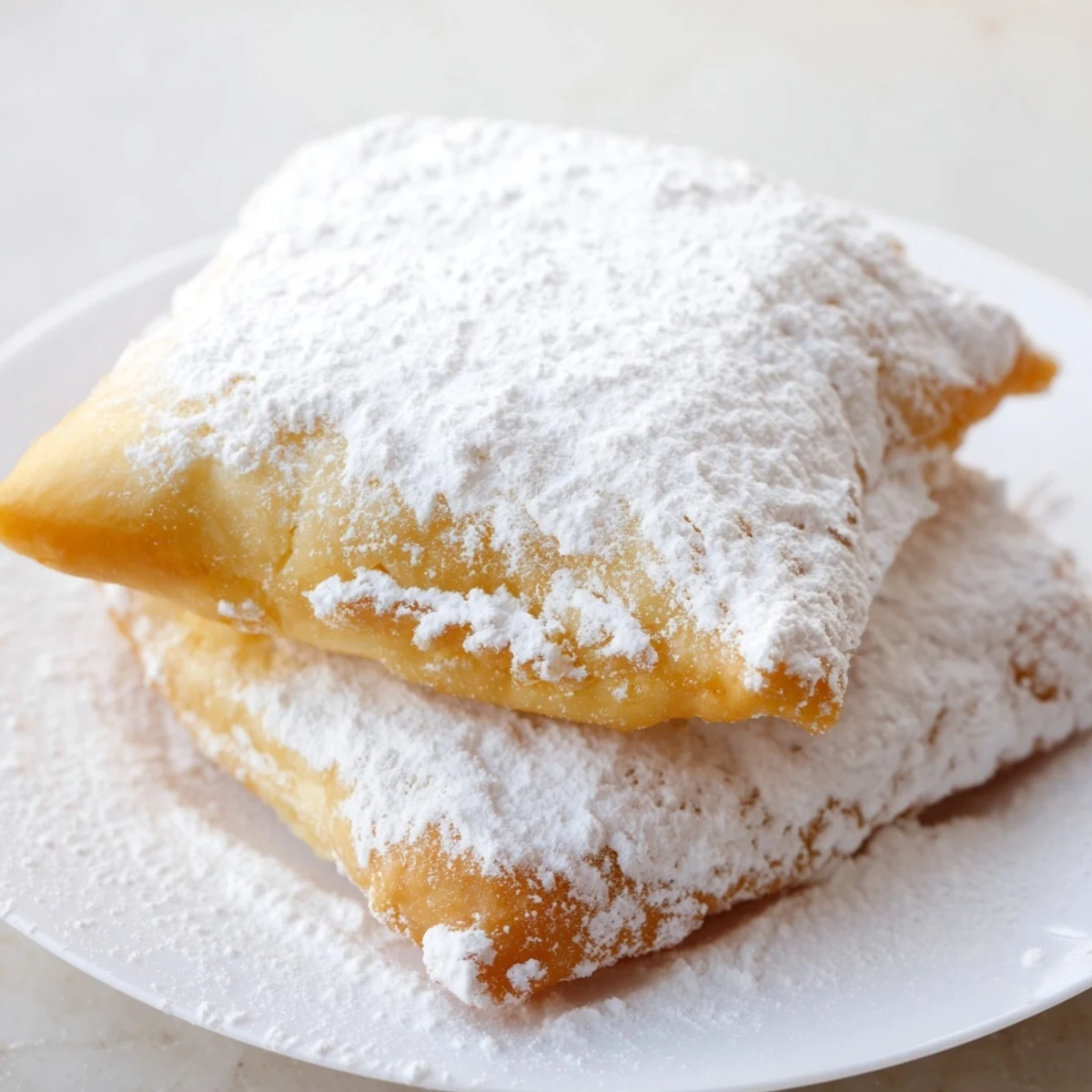
 This classic New Orleans treat features a light and airy dough fried to golden perfection. Yeast gives the dough a tender, pillowy texture, while frying creates a crisp exterior. After frying, each piece is generously dusted with powdered sugar, enhancing the rich, buttery notes. Ideal for sharing, this festive pastry is simple to prepare and captures the spirit of Mardi Gras celebrations with every bite.
The first time I walked through the French Quarter during Mardi Gras season, the air smelled like yeast dough frying and powdered sugar drifting through the streets like snow. I bought three beignets from a window stand and ate them standing on a sidewalk corner, getting sugar all over my coat and not caring one bit. That moment stuck with me so much that I had to recreate that crispy-pillow magic in my own kitchen, and now they've become a family tradition during Fat Week celebrations.
Last year I made a double batch for my daughter's birthday sleepover, and twelve girls sat around the kitchen table with powdered sugar everywhere, giggling and comparing who had the most on their face. Something about fried dough brings out the kid in everyone, and that messy, joyous scene is exactly why I keep making them year after year.
Ingredients
- Active dry yeast: The magic agent that makes these puff up beautifully in hot oil, creating that signature light-as-air texture inside
- Warm water: Must be around 110°F or bathwater warm to activate the yeast without killing it
- Granulated sugar: Feeds the yeast for a good rise and adds subtle sweetness to the dough itself
- Unsalted butter, melted: Adds richness and helps create that tender, soft crumb structure
- Whole milk: Room temperature so it doesn't shock the yeast, contributes to the pillowy texture
- Large egg: Provides structure and helps the dough hold together during frying
- Vanilla extract: Adds warmth and depth that makes these taste special rather than just plain fried dough
- All-purpose flour: The workhorse flour that gives these enough structure to puff up without becoming tough
- Salt: Essential for balancing the sweetness and enhancing all the flavors
- Vegetable oil: Neutral flavor with a high smoke point, perfect for getting that golden exterior
- Powdered sugar, sifted: The classic finishing touch that makes these instantly recognizable and irresistible
Instructions
- Wake up the yeast:
- Dissolve yeast and 1 tablespoon sugar in warm water, letting it stand for 5 minutes until it becomes foamy and alive, which tells you it's ready to work its magic.
- Build the dough base:
- Add the remaining sugar, melted butter, milk, egg, and vanilla to the yeast mixture, mixing until everything is incorporated and you have a smooth, creamy liquid base.
- Bring it together:
- Gradually add flour and salt, mixing until a soft, slightly sticky dough forms that pulls away from the sides of the bowl.
- Knead with care:
- Turn dough onto a floured surface and knead for 5 to 7 minutes until it transforms from shaggy to smooth and elastic, bouncing back when you press it.
- Let it rise:
- Place dough in a greased bowl, cover, and let it rest in a warm spot until doubled, about 1 hour, giving the yeast time to do its work.
- Roll and cut:
- Punch down the risen dough and roll it out to 1/4-inch thickness, then cut into 2 x 2-inch squares or diamonds with a sharp knife or pizza cutter.
- Heat the oil:
- Heat vegetable oil in a deep fryer or heavy pot to 350°F, using a thermometer to ensure you're at the right temperature for perfect frying.
- Fry to golden:
- Cook dough pieces in batches for 1 to 2 minutes per side until puffed and golden brown, turning with a slotted spoon and resisting the urge to crowd the pan.
- Drain and coat:
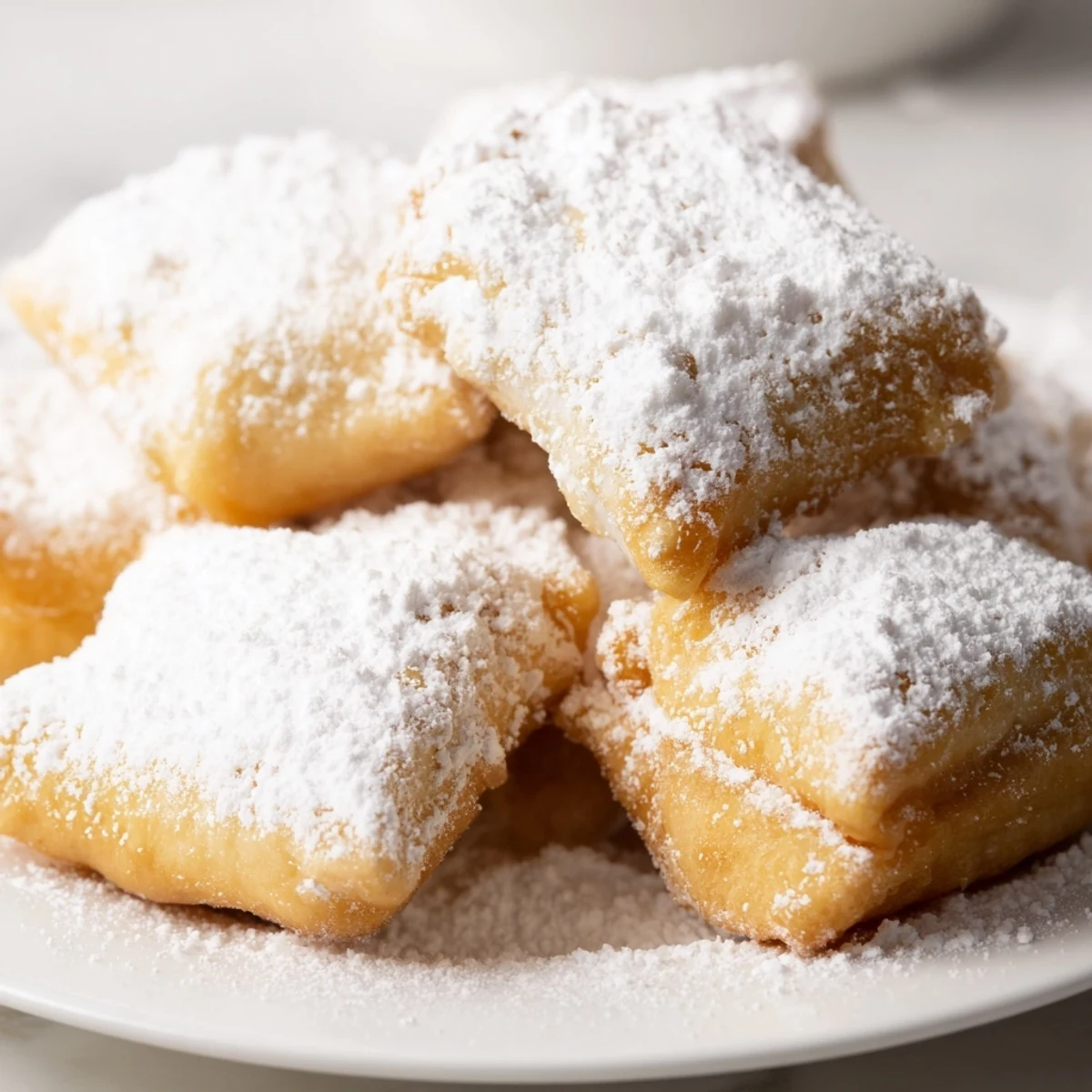
- Remove fried dough with a slotted spoon, drain on paper towels, then generously dust with powdered sugar while still warm so it sticks beautifully.
 Pin to Pinterest
 My grandmother always said that some foods are meant to be eaten standing up, preferably while laughing with people you love. Fried dough falls squarely into that category, and every time I make these, I think of her kitchen counter covered in flour and sugar.
The Art of the Rise
When you're waiting for that dough to double in size, resist the urge to rush it with extra heat. The slow, steady rise develops flavor and creates those gorgeous air pockets that make each bite feel impossibly light. I've learned that a patient cook gets better fried dough than a hurried one.
Mastering the Fry
Watch how each piece transforms when it hits the hot oil. First it sinks, then suddenly rises to the surface like a little treasure, puffing up and turning that perfect golden brown. That moment when it flips itself over? That's your signal that it's ready to be turned by hand.
Serving Ideas
These are spectacular on their own, but sometimes I like to set up a little toppings bar for guests. A warm chocolate sauce, some berry compote, or even a sprinkle of cinnamon mixed into the powdered sugar can make these feel extra special for a celebration.
- Set up a dipping station with chocolate and caramel sauces for interactive fun
- Add a pinch of cinnamon to half your powdered sugar for variety
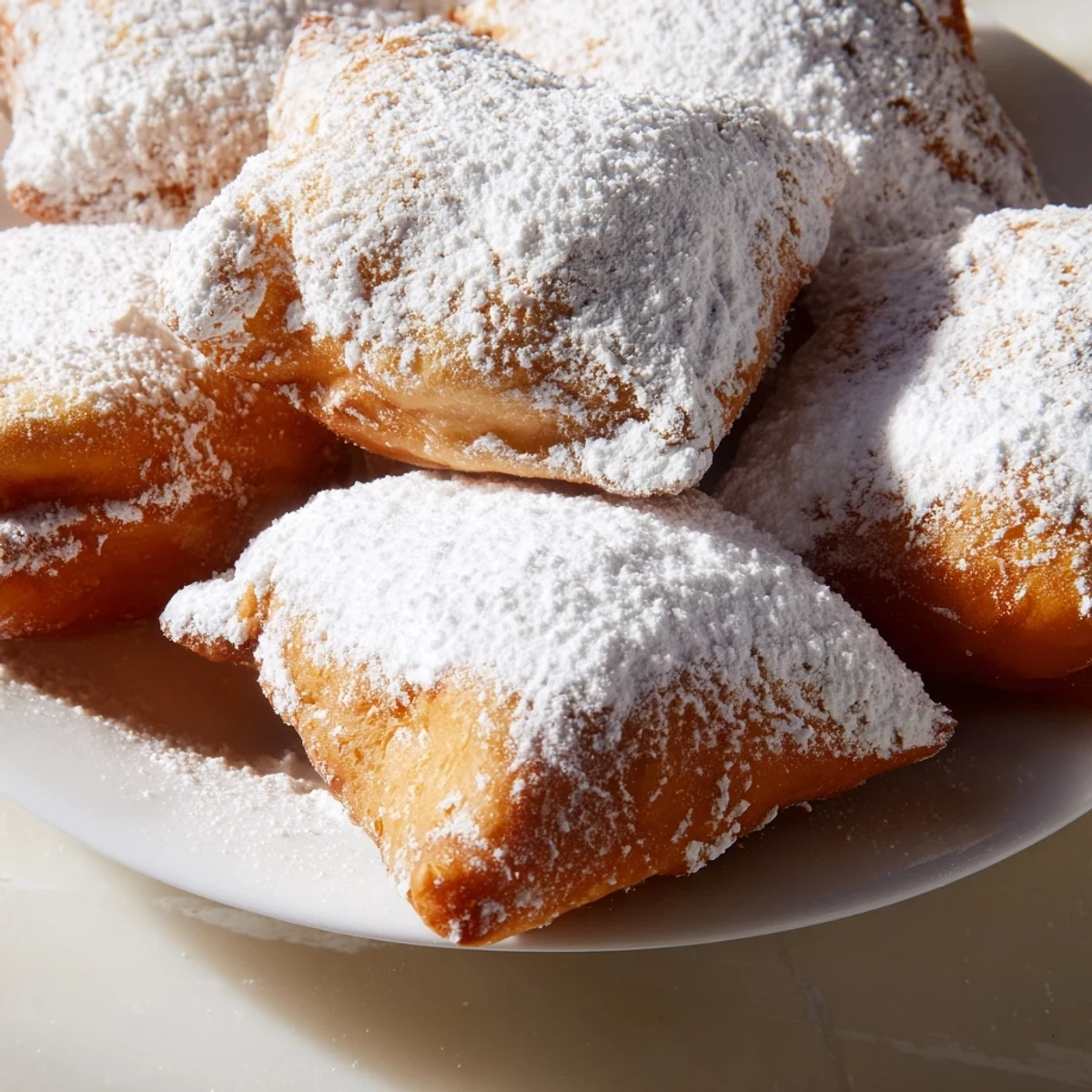
- Stack them on a pretty platter in a pyramid for maximum visual impact
 Pin to Pinterest
 There's something profoundly satisfying about making something so simple yet universally loved. May your kitchen be filled with the smell of frying dough and the sound of happy people discovering their first bite.