
 Pin to Pinterest
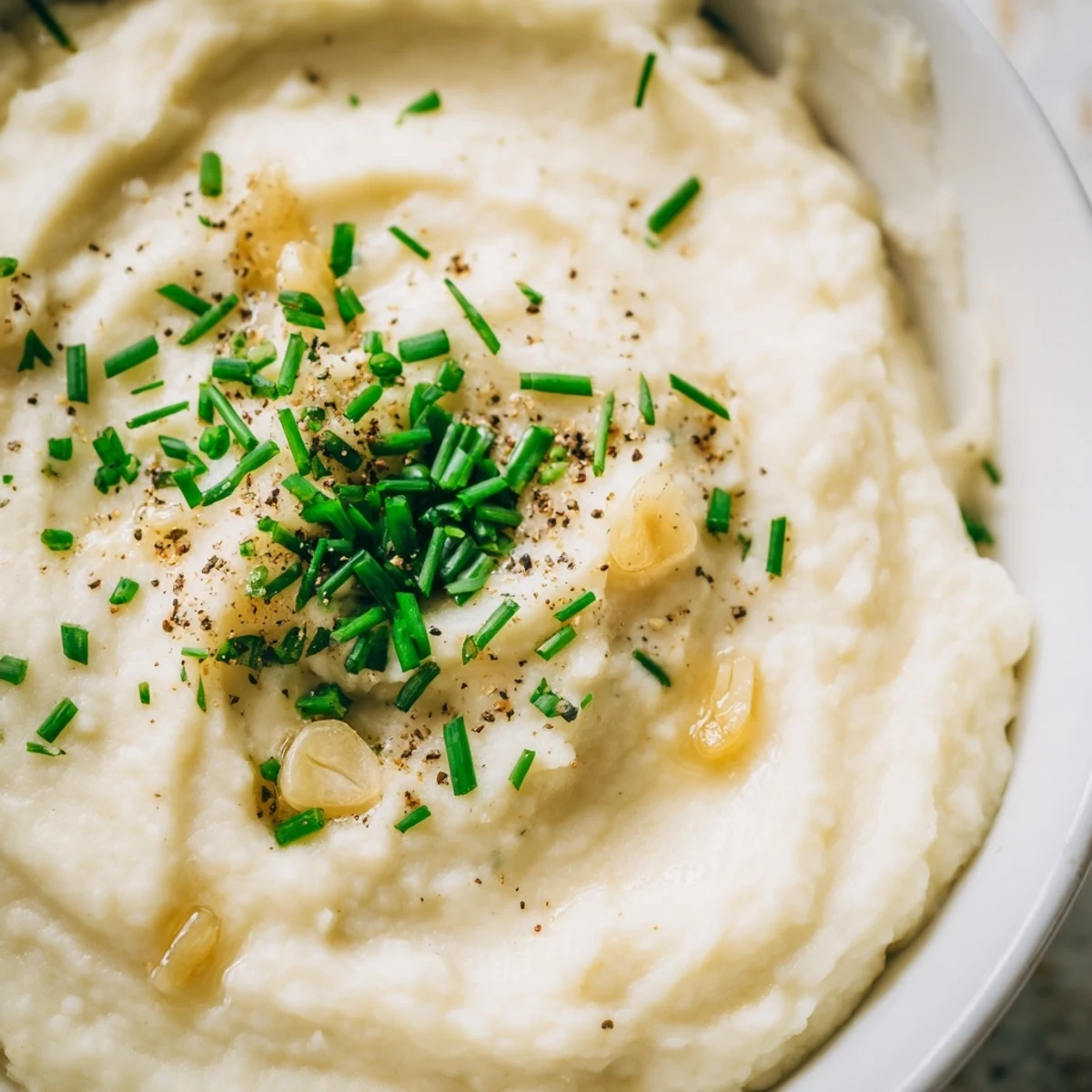
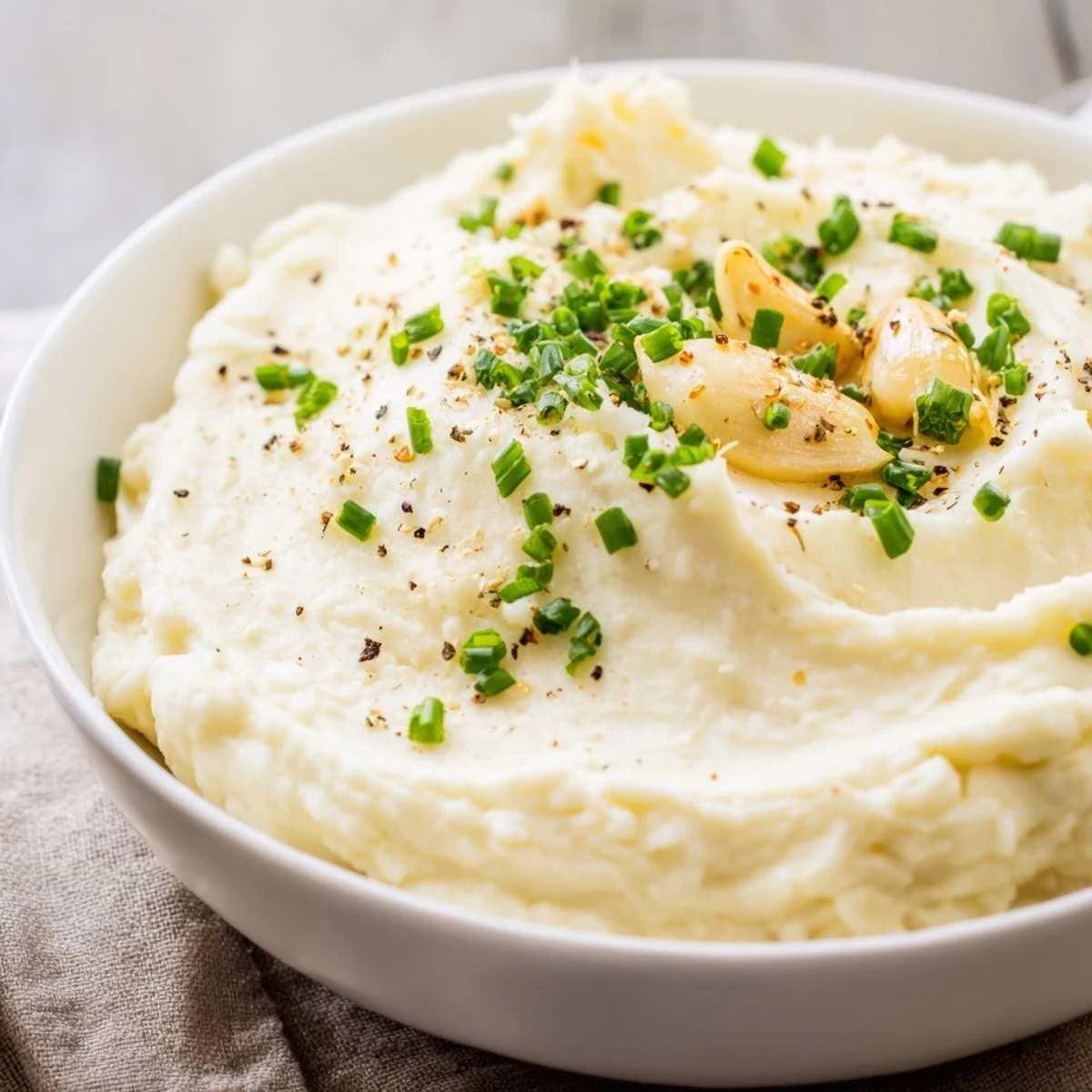
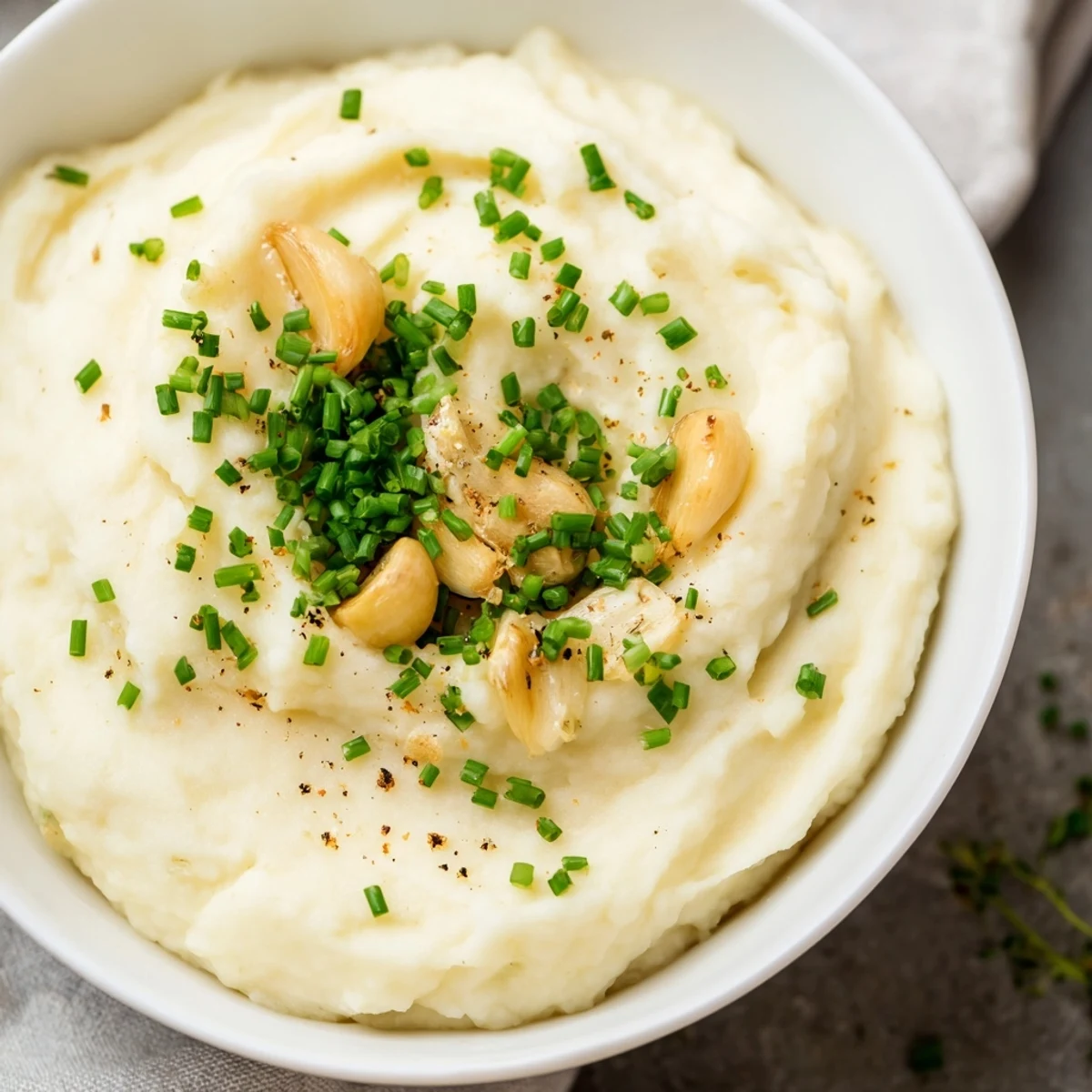
 This creamy mashed cauliflower features tender steamed florets blended smooth with golden roasted garlic, butter, sour cream, and fresh chives. Roasting the garlic brings out a rich, mellow sweetness that complements the mild cauliflower, while the chives add a fresh, gentle bite. This light side dish serves as a delightful alternative to heavier sides, balancing flavors and textures with ease and minimal preparation time.
There's something about the smell of garlic turning golden in the oven that makes you want to cancel your plans and just stay in the kitchen. I discovered this mashed cauliflower on a Tuesday when I had a bag of cauliflower that needed using and a whole head of garlic sitting on my counter like it was waiting for something. The moment those roasted cloves turned buttery and soft, I knew I'd found a side dish that actually tastes better than what it's replacing.
I served this alongside grilled salmon to a friend who usually turns their nose up at anything vegetable-adjacent. She went back for seconds without even realizing what she was eating, and that's the exact moment I knew this recipe was worth keeping.
Ingredients
- 1 large head cauliflower, cut into florets: The florets are your base, so choose a head that feels heavy and dense. They'll collapse into something wonderfully creamy when steamed.
- 1 whole garlic bulb: This is where the magic happens—roasting transforms sharp garlic into something sweet and mellow that makes people ask what's in here.
- 3 tablespoons unsalted butter: It carries the flavor throughout and keeps everything smooth without overpowering the garlic.
- 1/4 cup sour cream (or Greek yogurt for a lighter option): The tanginess balances the richness and adds that restaurant-quality creaminess you're after.
- 1/4 cup whole milk (or unsweetened plant milk): This thins everything out to the right consistency—too thick and you'll be fighting it with the spoon.
- 2 tablespoons fresh chives, finely chopped: They're the final note that makes someone pause and ask what that fresh flavor is.
- 1/2 teaspoon salt, or to taste: Taste as you go because cauliflower needs more seasoning than you'd think.
- 1/4 teaspoon freshly ground black pepper: Fresh pepper makes a difference here—not a huge one, but noticeable.
Instructions
- Get the oven ready:
- Heat your oven to 400°F. This temperature is perfect for turning garlic sweet and caramelized without burning it.
- Roast the garlic:
- Slice off the top of the garlic bulb to expose the cloves, drizzle with a little olive oil, wrap it loosely in foil, and let it roast for 30 to 35 minutes. You'll know it's ready when the cloves are soft and golden—they should squish out of their skins without resistance.
- Steam the cauliflower:
- While the garlic does its thing, cut your cauliflower into florets and steam them over boiling water for 12 to 15 minutes, until they're so tender they fall apart easily. Drain them well and let them sit in the pot for a minute to release all that excess moisture.
- Combine everything:
- Squeeze the roasted garlic cloves out of their skins into your food processor or bowl. Add the drained cauliflower, butter, sour cream, milk, salt, and pepper. If you're using a processor, pulse until it's smooth and creamy; if you're mashing by hand, go until there are no big chunks but a little texture is fine.
- Taste and adjust:
- This step matters—cauliflower is mild, so you might need a touch more salt or pepper than you'd expect. This is also where a whisper of nutmeg or Parmesan can slip in if you're feeling it.
- Finish with chives:
- Stir in half the chives so they're mixed throughout, then transfer everything to a serving bowl and scatter the rest on top. That fresh green against the cream is not just pretty—it's the final flavor note.
 Pin to Pinterest
 This dish became a regular on my table after my partner mentioned it was the first cauliflower dish that didn't taste like someone was trying to trick them into eating vegetables. That's when I realized the real power of roasted garlic isn't just flavor—it's permission to believe that a side dish can be something you actually want.
Why Roasted Garlic Changes Everything
The transformation that happens in the oven is chemical and emotional at the same time. Raw garlic has that sharp, spicy bite that can make you pause. Roasted garlic becomes almost sweet, almost nutty, and it makes everything around it taste fuller without adding a single complicated ingredient. The cloves soften to the point where you can squeeze them out of their skins like butter, and that texture mixed into the cauliflower creates something that feels luxurious.
Substitutions and Variations
The beauty of this recipe is that it flexes to what you have or what you're avoiding. Skip the dairy entirely and use olive oil with plant-based sour cream and milk, and it's still creamy—different, maybe slightly less rich, but absolutely delicious. A pinch of nutmeg or grated Parmesan takes it in a warmer, more savory direction. Some people add a touch of Dijon mustard for complexity, and honestly, it works.
Making It Ahead and Storing
You can make this up to two days ahead and reheat it gently on the stovetop with a splash of milk to loosen it back up. It also freezes reasonably well if you have leftovers, though the texture becomes slightly grainier after thawing. This is the kind of side dish that gets better as a weeknight strategy because the hardest part is the roasting time, and you can do that while you're handling something else.
- Reheat low and slow to avoid breaking the creamy texture.
- A splash of milk helps bring back the right consistency after refrigeration.
- Taste for seasoning before serving because sometimes the flavors mellow overnight.
 Pin to Pinterest
 This recipe proves that the best sides aren't the ones trying to be something they're not. It's creamy, it's garlicky, and it tastes like someone who knows what they're doing made it.
Recipe FAQs
- → How do you roast garlic for this dish?
-
Slice the top off the garlic bulb, drizzle with olive oil, wrap in foil, and roast at 400°F (200°C) for 30-35 minutes until soft and golden.
- → Can I use alternatives to dairy in this mash?
-
Yes, substituting sour cream and milk with plant-based yogurt and unsweetened plant milk works well for a dairy-free version.
- → What texture should the cauliflower have before mashing?
-
The cauliflower should be steamed until very tender (12-15 minutes) to ensure a smooth, creamy mash.
- → How can I enhance the flavor of the mash?
-
Adding a pinch of nutmeg or some grated Parmesan cheese can enrich the flavor profile significantly.
- → What is the best way to incorporate chives?
-
Stir half of the chopped chives into the mash for flavor, then garnish the top with the remaining chives for fresh color and aroma.