
 Pin to Pinterest
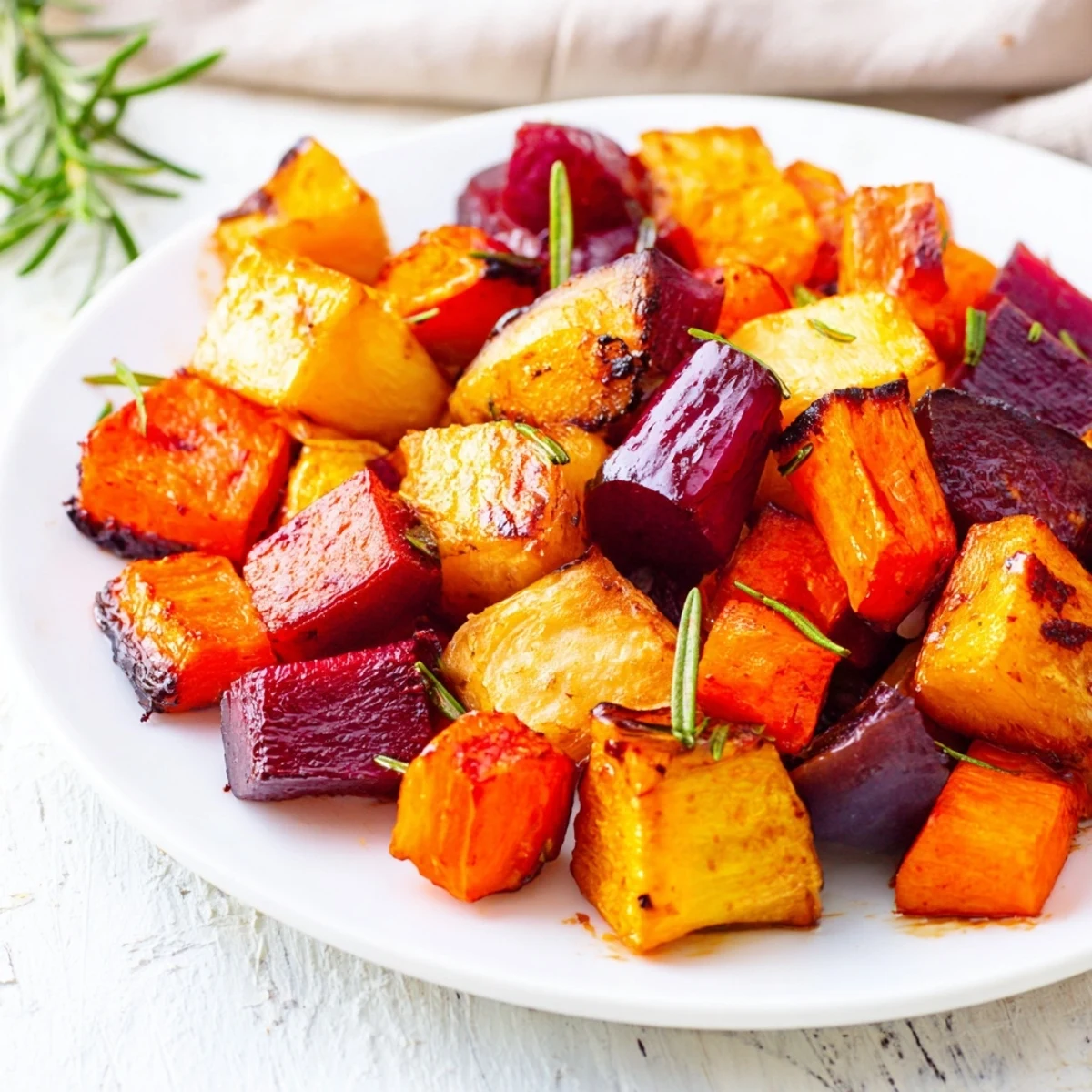
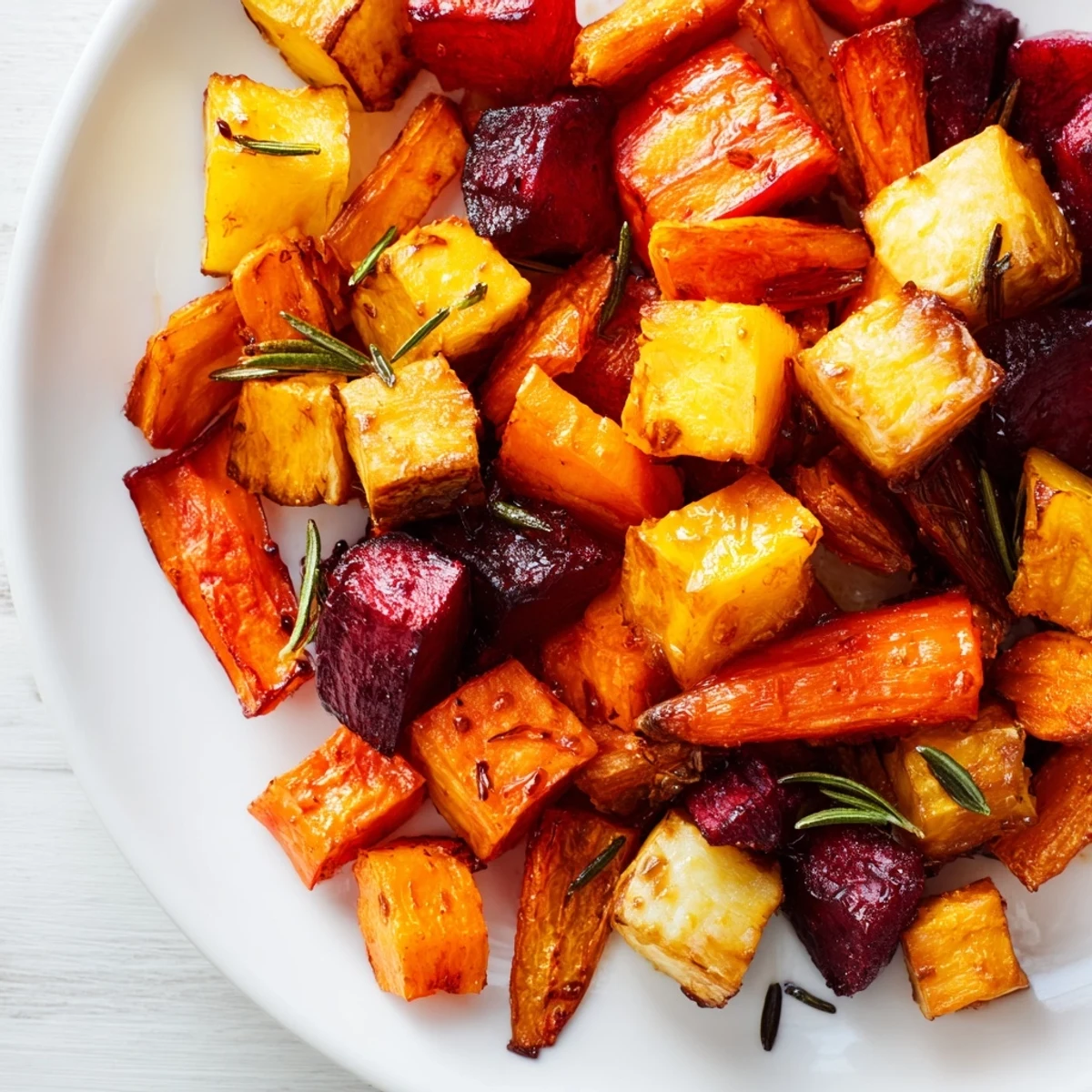
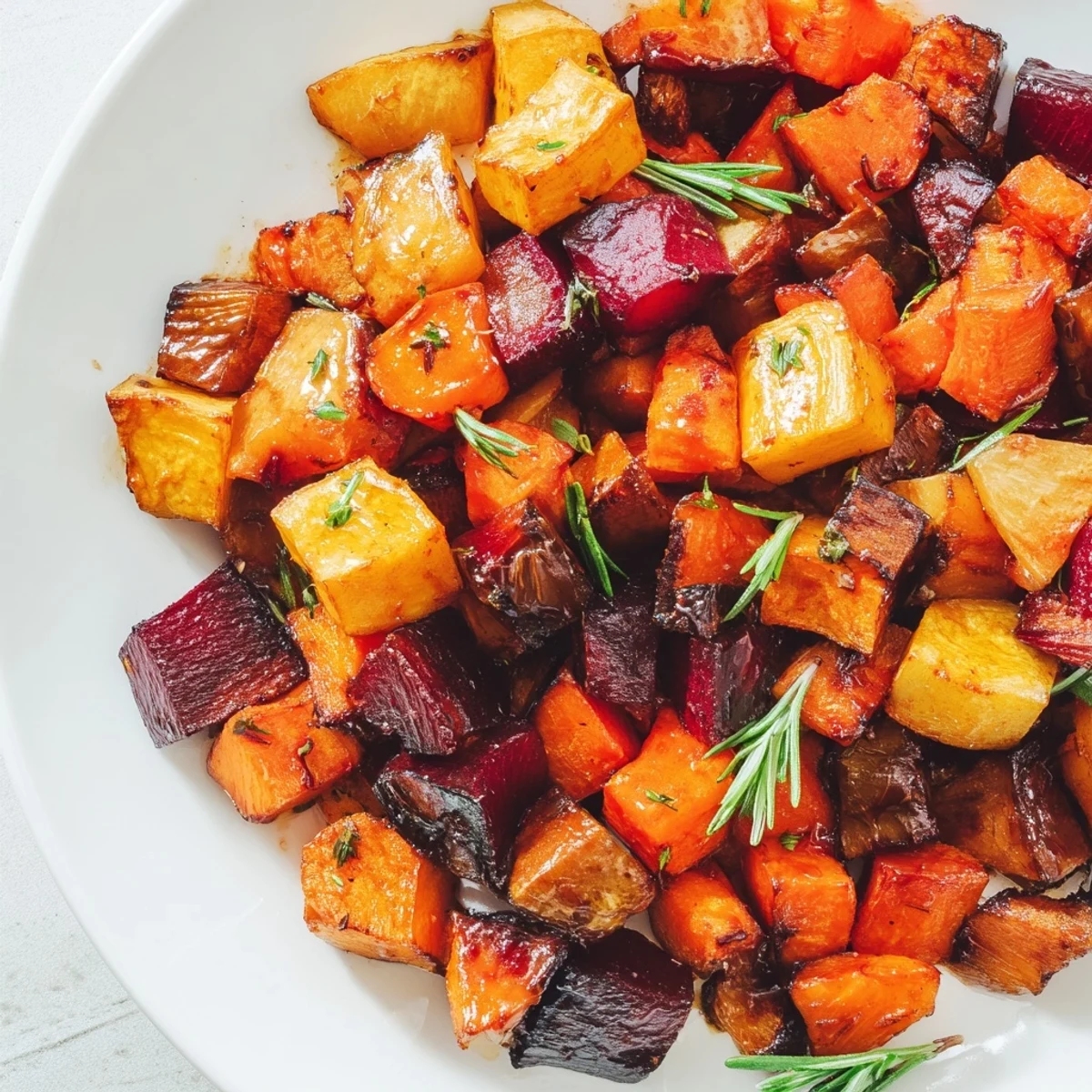
 This dish features a colorful assortment of root vegetables such as carrots, parsnips, sweet potato, and beets, tossed with olive oil, herbs, salt, and pepper before roasting to caramelized tenderness. A luscious balsamic glaze made by reducing balsamic vinegar and honey adds a beautiful balance of sweetness and acidity. Perfect for serving as a side or a vegetarian main, it offers comforting, natural flavors and simple preparation.
I started roasting root vegetables the winter I lived in a basement apartment with terrible heating. The oven became my heat source, and I'd toss whatever vegetables were on sale into a pan just to warm the place up. One night I drizzled leftover balsamic over the caramelized edges and realized I'd stumbled onto something worth making on purpose.
I made this for a potluck once and watched someone who claimed to hate beets go back for thirds. She asked for the recipe twice before the night ended, convinced I'd used some secret ingredient. It was just heat, time, and a decent drizzle of something tangy.
Ingredients
- Carrots: Cut them thick so they hold up to high heat without shriveling into sad little sticks.
- Parsnips: They caramelize beautifully and add a slight sweetness that balances the earthy vegetables.
- Sweet potato: Peel it well because the skin gets leathery when roasted, not crispy.
- Red onion: Leave the root end attached to each wedge so they stay together instead of falling apart into layers.
- Golden beet: I use golden instead of red because it wont stain everything pink, but either works.
- Rutabaga: Optional, but it adds a peppery bite that cuts through the sweetness if you like a little edge.
- Olive oil: Do not skimp here, the vegetables need enough to coat every surface or they will steam instead of roast.
- Kosher salt: More forgiving than table salt and easier to distribute evenly with your hands.
- Black pepper: Freshly ground makes a difference, the pre ground stuff tastes like dust.
- Thyme: Dried works fine but fresh thyme leaves get crispy and add tiny bursts of flavor.
- Rosemary: Chop it finely or it turns into little woody needles nobody wants to chew.
- Balsamic vinegar: Buy a decent bottle, the cheap stuff is too harsh and won't reduce into anything worth drizzling.
- Honey or maple syrup: This tempers the acidity and helps the glaze cling to the vegetables instead of pooling on the plate.
Instructions
- Preheat and prep your pan:
- Set the oven to 425°F and line your baking sheet with parchment. Skipping the parchment means scrubbing burnt sugar off the pan later, and nobody has time for that.
- Toss the vegetables:
- Dump everything into a big bowl, drizzle the oil over top, then add the salt, pepper, and herbs. Use your hands to mix it, you will coat them more evenly than any spoon ever could.
- Spread them out:
- Arrange the vegetables in a single layer with a little breathing room between pieces. Crowding them creates steam, and steam is the enemy of crispy edges.
- Roast until golden:
- Let them go for 35 to 40 minutes, stirring once halfway through. You will know they are done when the edges turn deep brown and the kitchen smells like caramelized sugar and herbs.
- Make the glaze:
- While the vegetables roast, simmer the balsamic and honey in a small saucepan over medium heat. Stir it often and watch closely, it goes from syrupy to burnt in about thirty seconds.
- Finish and serve:
- Pull the vegetables from the oven, drizzle the glaze over everything, and toss gently so every piece gets a little shine. Serve them hot, maybe with extra thyme scattered on top if you are feeling fancy.
 Pin to Pinterest
 My neighbor brought over a bottle of wine one evening and I threw together a pan of these because it was all I had. We ended up sitting on the kitchen floor eating them straight off the baking sheet, talking until the pan was empty and the wine was gone. Some meals do not need a table.
Choosing Your Vegetables
You can swap in turnips, Yukon gold potatoes, or even butternut squash if that is what you have. The key is picking vegetables that take about the same amount of time to cook, anything too delicate like zucchini will turn to mush. I have also added halved Brussels sprouts and they char beautifully alongside the roots.
Making It Your Own
If you want to make this vegan, maple syrup works just as well as honey in the glaze. For extra richness, crumble goat cheese or feta over the top right before serving, or toss in some toasted walnuts or pecans for crunch. I have also seen people add a handful of dried cranberries in the last ten minutes of roasting, and it turns the whole thing into something you could serve at a holiday table.
Storing and Reheating
These keep in the fridge for up to four days and reheat well in a hot oven or skillet. Do not microwave them or they will get soggy and sad. I have eaten leftovers cold on top of salads or mixed into grain bowls, and they hold up better than you would expect.
- Let them cool completely before storing or condensation will make them mushy.
- Reheat at 400°F for about 10 minutes to crisp them back up.
- Save any extra glaze separately and drizzle it on just before serving.
 Pin to Pinterest
 This is the kind of dish that makes winter vegetables feel like something to look forward to instead of just what is left at the market. Serve it alongside anything or eat it straight from the pan while standing at the stove.
Recipe FAQs
- → What types of vegetables work best for roasting?
-
Root vegetables like carrots, parsnips, sweet potatoes, beets, and rutabagas roast well due to their dense texture and natural sweetness.
- → How do you make the balsamic glaze?
-
Simmer balsamic vinegar with honey or maple syrup until reduced by half and syrupy, creating a sweet-tart glaze.
- → Can I substitute olive oil with another oil?
-
Yes, neutral oils like avocado or grapeseed oil can be used but olive oil adds a richer, fruity note.
- → How do I know when the vegetables are perfectly roasted?
-
They should be golden and tender when pierced with a fork, with caramelized edges enhancing flavor.
- → Can this dish be served warm or cold?
-
It’s best served warm to enjoy the full aroma and texture, but it also tastes good at room temperature.