
 Pin to Pinterest
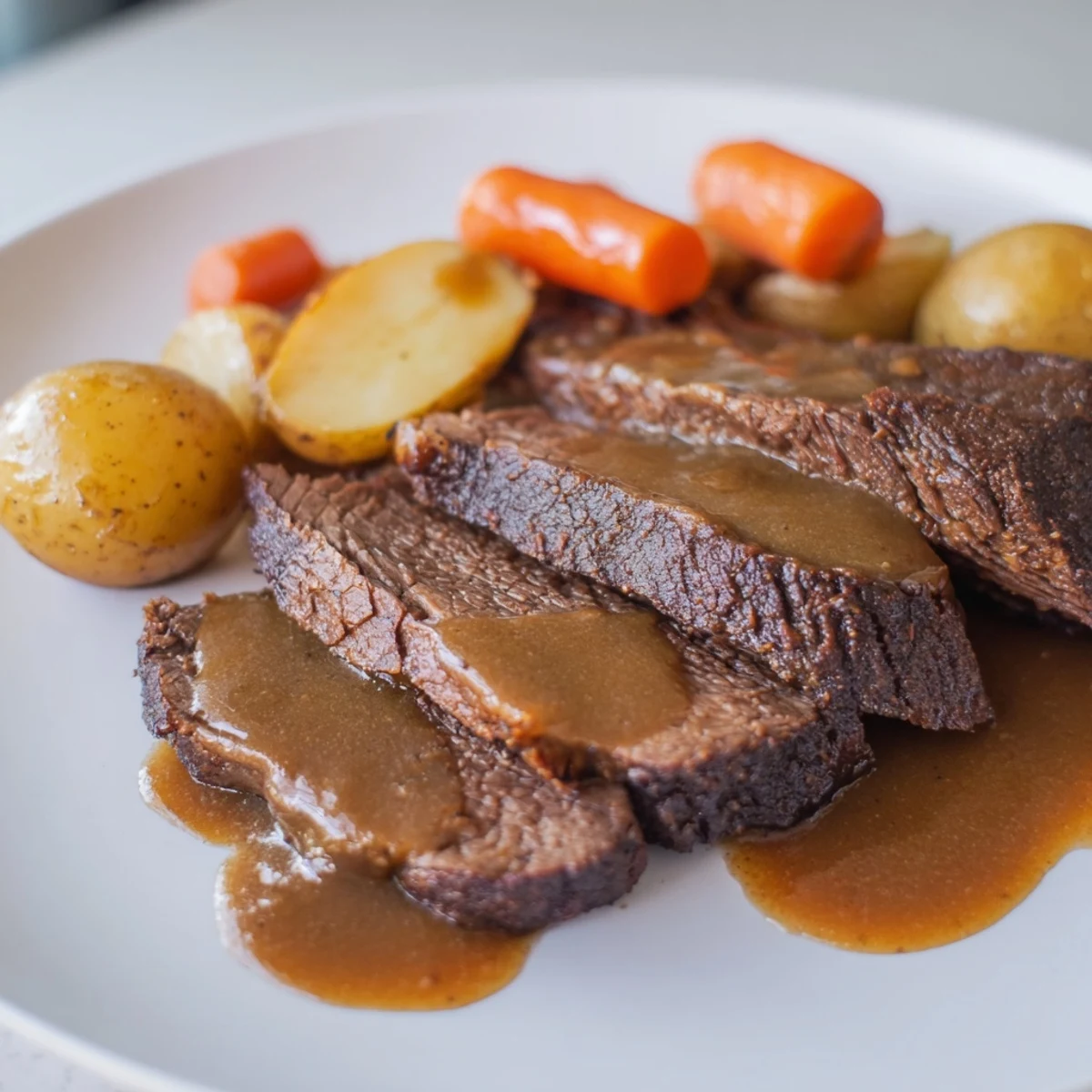
 This comforting dish features beef chuck slow-cooked to tender perfection alongside sweet carrots, aromatic onions, and a flavorful blend of herbs. The meat is first seared to lock in juices, then combined with vegetables and a rich broth infused with tomato paste, Worcestershire sauce, thyme, rosemary, and bay leaves. After hours of gentle cooking, the beef becomes meltingly soft, and the vegetables are infused with deep savory notes. For a thicker sauce, a cornstarch slurry can be added towards the end. This dish pairs wonderfully with mashed potatoes or crusty bread, delivering a satisfying, home-style dining experience.
There's something about the smell of a pot roast slow-cooking all day that stops you in your tracks. I discovered this recipe during a particularly bleak November when I needed something that felt like a warm hug in a bowl. The kitchen filled with this deep, savory aroma by mid-afternoon, and suddenly the whole house felt alive again. It's the kind of dish that reminds you why you cook at all.
I made this for my sister's surprise visit, and she walked in while the slow cooker was going full steam. She stood at the kitchen threshold with her coat still on, just breathing in, and said, 'Okay, I'm staying.' That's when I knew this wasn't just dinner—it was one of those meals people actually remember.
Ingredients
- Beef chuck roast (3 lbs): This cut has just enough marbling to stay juicy during the long braise. Trimming the excess fat first prevents grease from pooling on top.
- Carrots (5 large): Cut them thick enough that they don't dissolve into the sauce after eight hours. Two-inch pieces are your sweet spot.
- Yellow onion (1 large): Slice it rather than chop it so the pieces stay intact and distribute the sweetness evenly throughout the pot.
- Garlic (3 cloves): Minced garlic melds seamlessly into the broth, creating depth without any harsh bite.
- Celery and potatoes: Celery adds a subtle backbone of flavor, and baby potatoes keep their shape better than larger ones during the long cook.
- Beef broth (2 cups): Good quality broth makes all the difference. Taste it before you use it.
- Dry red wine (½ cup): This isn't just fancy—the wine tightens the flavors and adds a subtle complexity that broth alone can't deliver.
- Tomato paste (2 tbsp): This creates body and a gentle umami note without making the sauce taste tomatoey.
- Worcestershire sauce (2 tbsp): The secret weapon. It sounds odd but trust it completely.
- Thyme and rosemary: Dried herbs work beautifully here. Fresh herbs can turn bitter after eight hours of heat, so save those for garnish if you want them.
- Bay leaves (2): They perfume the entire pot without being noticeable in the final dish. Don't forget to fish them out before serving.
- Cornstarch slurry: Make this at the very end if you want a sauce that clings to the vegetables rather than pooling at the bottom.
Instructions
- Prepare the beef:
- Pat the roast completely dry with paper towels—this is what lets it actually brown instead of steam. Season both sides generously with salt and pepper, and let it sit at room temperature for about fifteen minutes so the heat hits it evenly.
- Build the crust:
- Get your skillet screaming hot and sear the roast for three to four minutes on each side until you see a dark, crusty exterior. This isn't about cooking the meat through; it's about flavor. Transfer it to the slow cooker base.
- Layer the vegetables:
- Arrange the carrots, onion slices, minced garlic, celery, and potatoes around the roast. They don't need to be precise. They'll all cook down together anyway.
- Make the braising liquid:
- In a bowl, whisk the broth, wine, tomato paste, Worcestershire, thyme, rosemary, and bay leaves until the paste dissolves. Pour this slowly over everything so it distributes evenly.
- Cook low and slow:
- Cover and cook on LOW for eight hours. This long, gentle heat breaks down the connective tissue in the beef without making it dry. If you're pressed for time, HIGH for five hours works, but low is truly better.
- Rest and serve:
- Transfer the beef and vegetables to a platter. Remove the bay leaves from the liquid. If you want a thicker sauce, whisk cornstarch with cold water, stir it in, and let the slow cooker run on HIGH for another five to ten minutes until it coats the back of a spoon.
- Finish the beef:
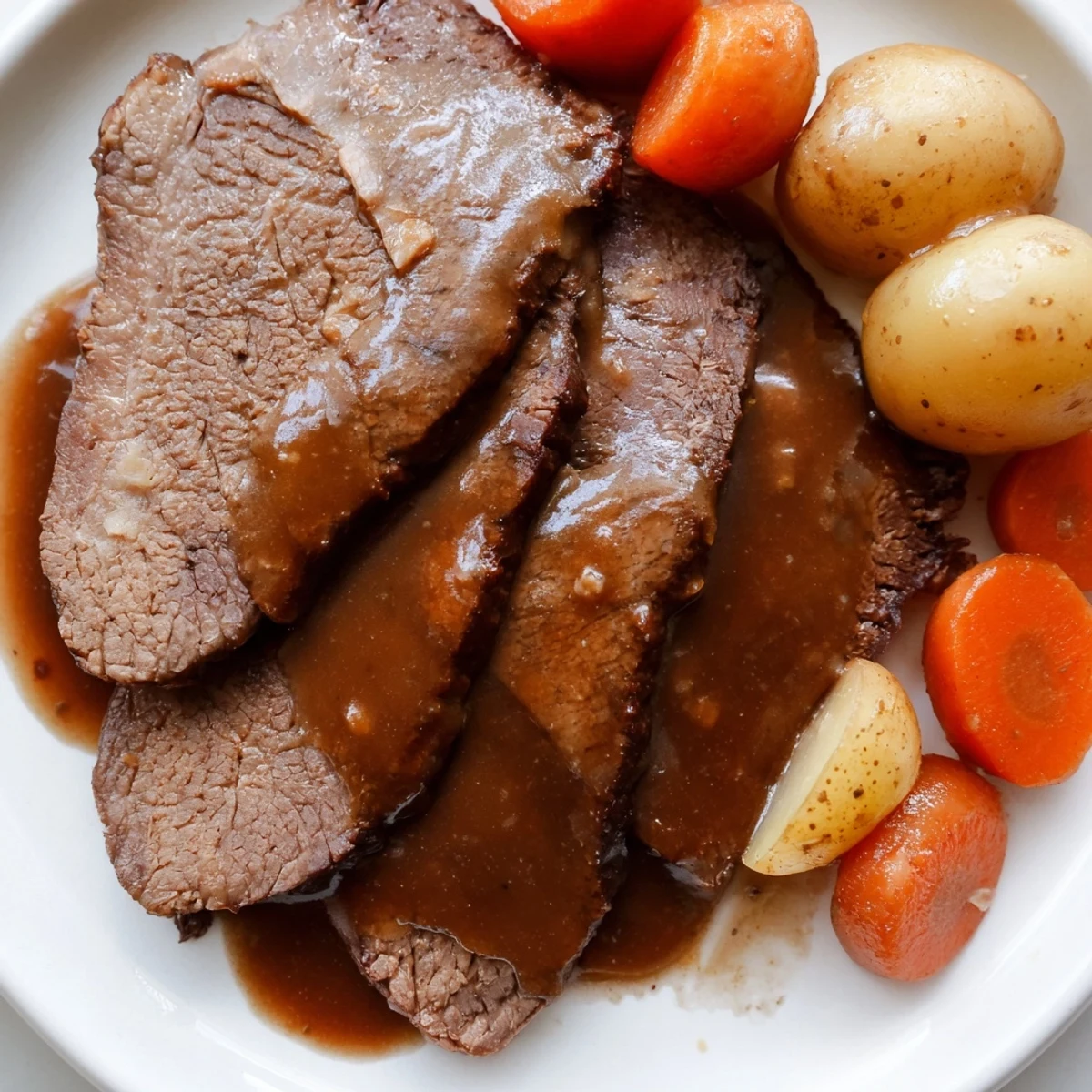
- Slice the roast against the grain or let it shred with a gentle tug of two forks. Ladle the sauce and vegetables over everything and taste for salt before it hits the table.
 Pin to Pinterest
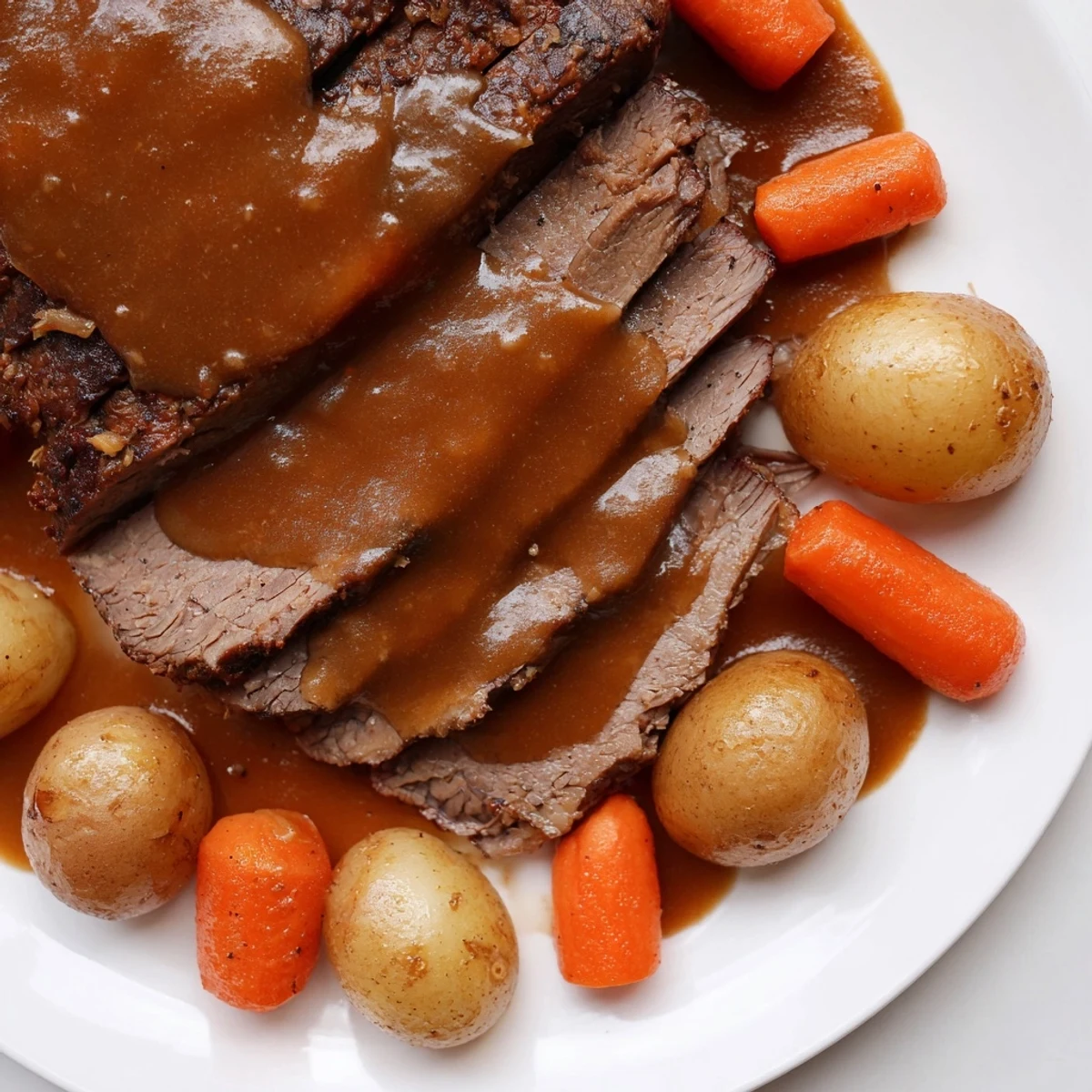
 The moment my nephew saw the pot roast with those carrots glazed in rich, wine-dark sauce, his whole face changed. He's not a sentimental kid, but he had three plates that night and asked if I'd teach him how to make it when he got older. That's when I realized this isn't just comfort food—it's the kind of thing that builds memories.
Why This Dish Works
Pot roast succeeds because it relies on time rather than technique. The low heat gently converts tough muscle fibers into gelatin, which makes the beef silky and the sauce naturally thickened and rich. You're not fighting the meat or coercing it into tenderness—you're just letting physics and heat do the work. The vegetables cook in the same liquid that braises the meat, so they absorb every drop of flavor. By the end, everything tastes like it's been kissing the same pot for hours, which, of course, it has.
Variations and Swaps
This recipe is forgiving enough to adapt to what's in your kitchen. Parsnips add an earthier sweetness than carrots, and mushrooms (especially cremini or button) soak up the sauce beautifully without falling apart. Some people add a splash of balsamic vinegar in the last hour, which brightens the sauce without making it taste sour. Fresh thyme or rosemary sprinkled on just before serving will perk up the aromatics if eight hours of cooking has dulled them. You can even skip the wine entirely and add more broth if you prefer, though the dish loses a layer of sophistication without it.
What to Serve It With
Mashed potatoes are the obvious choice—they cradle the sauce like they were made for it. Crusty bread works just as well, especially if you want to soak up every last drop. Polenta or egg noodles tossed in butter add their own richness. Leftovers transform into the most incredible open-faced sandwiches, especially on thick toast with a smear of mustard. The pot roast reheats beautifully for three to four days in the refrigerator, and the flavors actually deepen as it sits.
- Make extra sauce on purpose—someone will want to pour it over everything.
- Reheat gently on the stovetop rather than the microwave so nothing dries out.
- Shred any leftover beef and layer it into a grilled cheese the next day if you're feeling inspired.
 Pin to Pinterest
 This pot roast became my go-to when I wanted to feed people without spending the day in the kitchen. It's honest, generous, and tastes like you've been cooking since morning even though you've barely done anything at all.