
 Pin to Pinterest
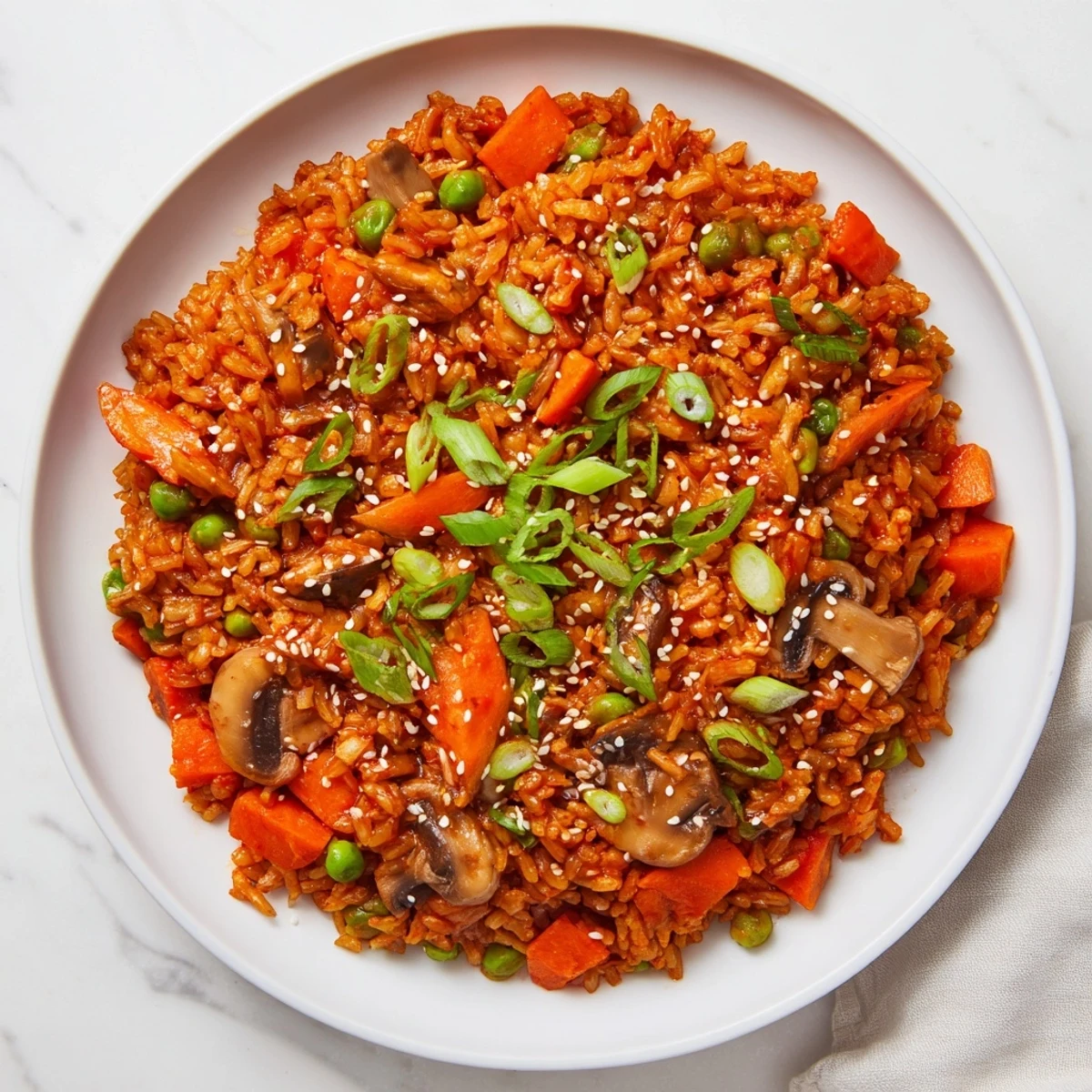
 This vibrant Korean-inspired rice dish brings together spicy gochujang chili paste with crisp vegetables and aromatic jasmine rice. The balance of sweet maple syrup, tangy rice vinegar, and savory soy sauce creates a complex flavor profile that's both satisfying and easy to prepare. Perfect for weeknight dinners, this customizable meal works with whatever vegetables you have on hand and stores beautifully for leftovers.
The sizzle of rice hitting a screaming hot wok is one of those sounds that instantly transports me somewhere specific, specifically my tiny apartment kitchen on a rainy Tuesday when I had nothing planned and a half jar of gochujang staring me down from the fridge door.
I once made this for a friend who claimed she did not like spicy food, and she polished off two bowls before admitting defeat and asking for the recipe.
Ingredients
- Cooked jasmine or short grain rice (3 cups, preferably day old): Fresh rice turns gummy and soft, so leftover rice that has dried out slightly in the fridge is the real secret to getting those crispy edges.
- Carrot (1 medium, diced): Adds a subtle sweetness and satisfying crunch that balances the heat from the sauce.
- Frozen peas (1 cup): No need to thaw them beforehand since they cook through almost instantly in the hot wok.
- Red bell pepper (1, diced): Brings color and a mild fruity flavor that rounds out the vegetables.
- Green onions (4, sliced, white and green parts separated): The whites get cooked down for a savory base while the greens stay raw for a fresh finish.
- Garlic (2 cloves, minced): Aromatic backbone that makes everything smell incredible the moment it hits the oil.
- Shiitake or button mushrooms (1 cup, sliced): Shiitakes give a deeper earthy flavor but button mushrooms work beautifully when that is what you have.
- Gochujang (3 tbsp, vegan Korean chili paste): The star of the entire dish, delivering fermented complexity and a gentle, lingering warmth.
- Soy sauce or tamari (2 tbsp): Provides salt and umami, with tamari being the easy swap for gluten free needs.
- Toasted sesame oil (1 tbsp): Just a small amount adds a nutty richness that ties the sauce together.
- Maple syrup or agave (1 tbsp): A touch of sweetness mellows the chili paste and rounds out the flavor profile.
- Rice vinegar (1 tbsp): A bright splash of acidity that keeps the dish from feeling heavy.
- Neutral oil (1 tbsp): Use something with a high smoke point like vegetable or canola oil for stir frying.
- Sesame seeds and extra green onions for garnish: A sprinkle of both at the end makes it look as good as it tastes.
Instructions
- Mix the sauce:
- Whisk together the gochujang, soy sauce, sesame oil, maple syrup, and rice vinegar in a small bowl until smooth, then set it aside so the flavors have a moment to mingle while you prep everything else.
- Get the wok hot:
- Heat the neutral oil in a large skillet or wok over medium high heat until it shimmers and you can feel the warmth radiating when you hold your hand above the surface.
- Build the aromatic base:
- Toss in the white parts of the green onions, garlic, and carrots, then stir fry for about two minutes until the carrots soften slightly and your kitchen smells absolutely wonderful.
- Add the hearty vegetables:
- Drop in the bell pepper and mushrooms, cooking for two to three minutes until the mushrooms start to brown and release their savory aroma into the pan.
- Toss in the peas:
- Stir in the frozen peas and let them cook for just one minute, long enough to thaw and warm through without losing their bright color.
- Add the rice and crank the heat:
- Crank the heat to high, add the cooked rice, and break up any stubborn clumps with your spatula while stir frying for two to three minutes until every grain is heated through.
- Sauce and toss everything:
- Pour that beautiful gochujang sauce over the rice and vegetables, then stir vigorously to coat every single grain, cooking for another two to three minutes until the rice gets slightly crispy in spots.
- Finish and serve:
- Take the pan off the heat, fold in the green parts of the green onions, taste for seasoning, and serve immediately with a generous shower of sesame seeds.
 Pin to Pinterest
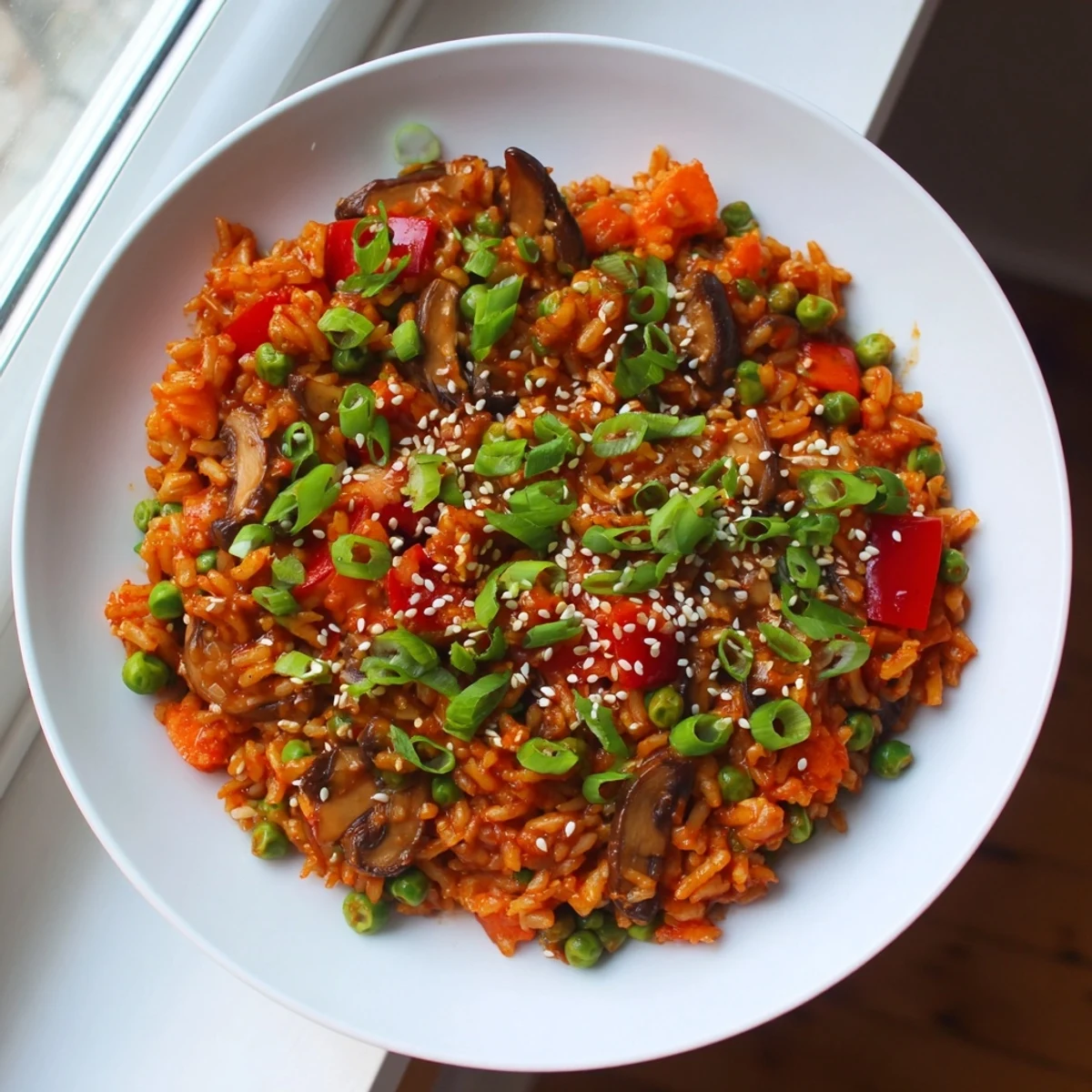
 There is something about the bright red color of this rice piled high in a bowl that makes even a random weeknight dinner feel like a small celebration worth savoring.
Making It Your Own
This recipe is endlessly forgiving, so toss in whatever vegetables are languishing in your crisper drawer or add cubed baked tofu and edamame for extra protein.
Handling the Heat
Gochujang varies wildly in intensity between brands, so taste yours plain before you start and adjust the amount up or down depending on your personal spice tolerance.
Storing and Reheating
Leftovers keep beautifully in an airtight container in the fridge for up to three days and actually taste even better the next day when the flavors have fully settled into the rice.
- Reheat in a hot skillet with a splash of water to bring back the original texture.
- Avoid the microwave if you want to preserve those crispy edges.
- Always taste and adjust the seasoning before serving because cold dulls flavors.
 Pin to Pinterest
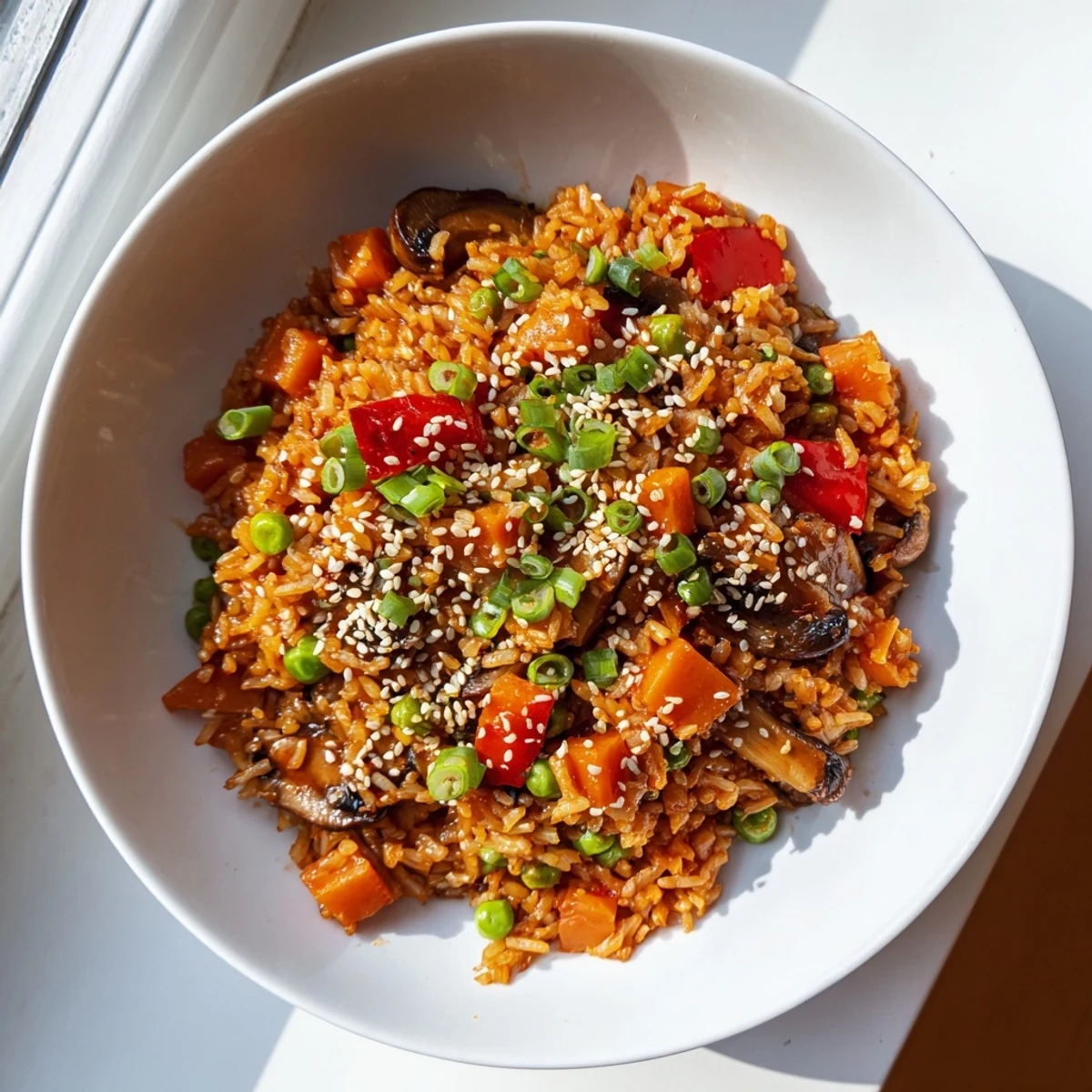
 Keep a jar of gochujang in your fridge and day old rice is never boring again. This is the kind of recipe that makes you feel like a genuinely good cook with almost no effort.
Recipe FAQs
- → What does gochujang taste like?
-
Gochujang is a Korean chili paste with a complex flavor profile combining sweet, spicy, and savory notes. It has a deep umami taste from fermented soybeans, a gentle heat from red chili peppers, and a subtle sweetness that balances beautifully with tangy vinegar in this rice dish.
- → Can I use freshly cooked rice instead of day-old?
-
While day-old rice works best because it's drier and prevents soggy fried rice, you can use freshly cooked rice. Spread the hot cooked rice on a baking sheet and refrigerate for 15-20 minutes to cool and dry slightly before adding to the skillet.
- → How spicy is this dish?
-
The spice level is medium and comes from the gochujang. If you prefer milder heat, reduce the gochujang to 1-2 tablespoons. For more spice, increase to 4 tablespoons or add crushed red pepper flakes when stir-frying the vegetables.
- → What vegetables can I substitute?
-
This dish is highly versatile. Try adding diced zucchini, snap peas, corn, baby spinach, or shredded cabbage. You can also swap mushrooms for broccoli florets or add protein like baked tofu, edamame, or chickpeas.
- → Is gochujang naturally vegan?
-
Most traditional gochujang contains fish sauce or other seafood products, so always check the label for certified vegan versions. Many brands now offer plant-based options specifically made without animal-derived ingredients.
- → How should I store leftovers?
-
Store cooled leftovers in an airtight container in the refrigerator for up to 3 days. Reheat in a skillet over medium heat with a splash of water or oil, adding fresh green onions and sesame seeds to refresh the flavors before serving.