
 Pin to Pinterest
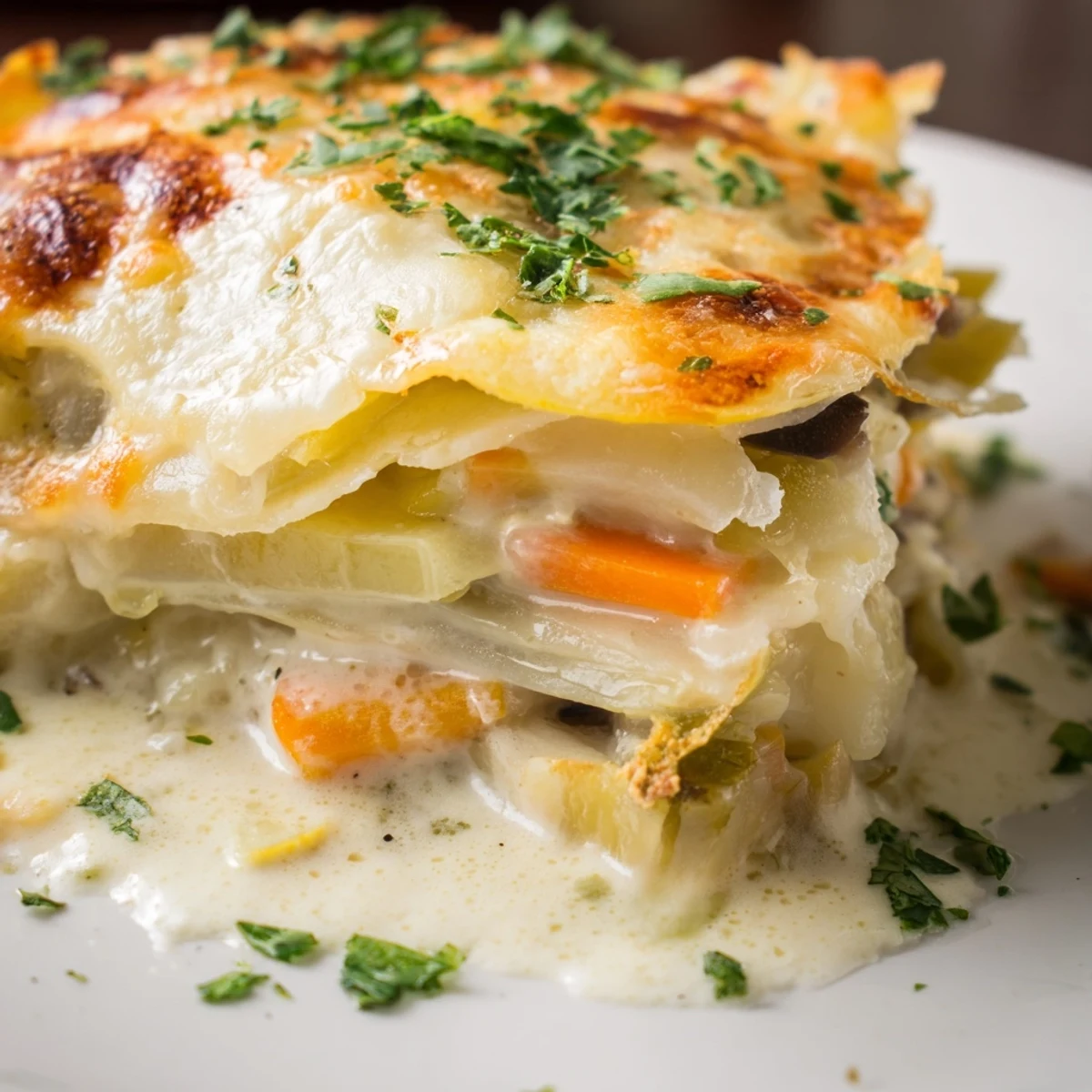
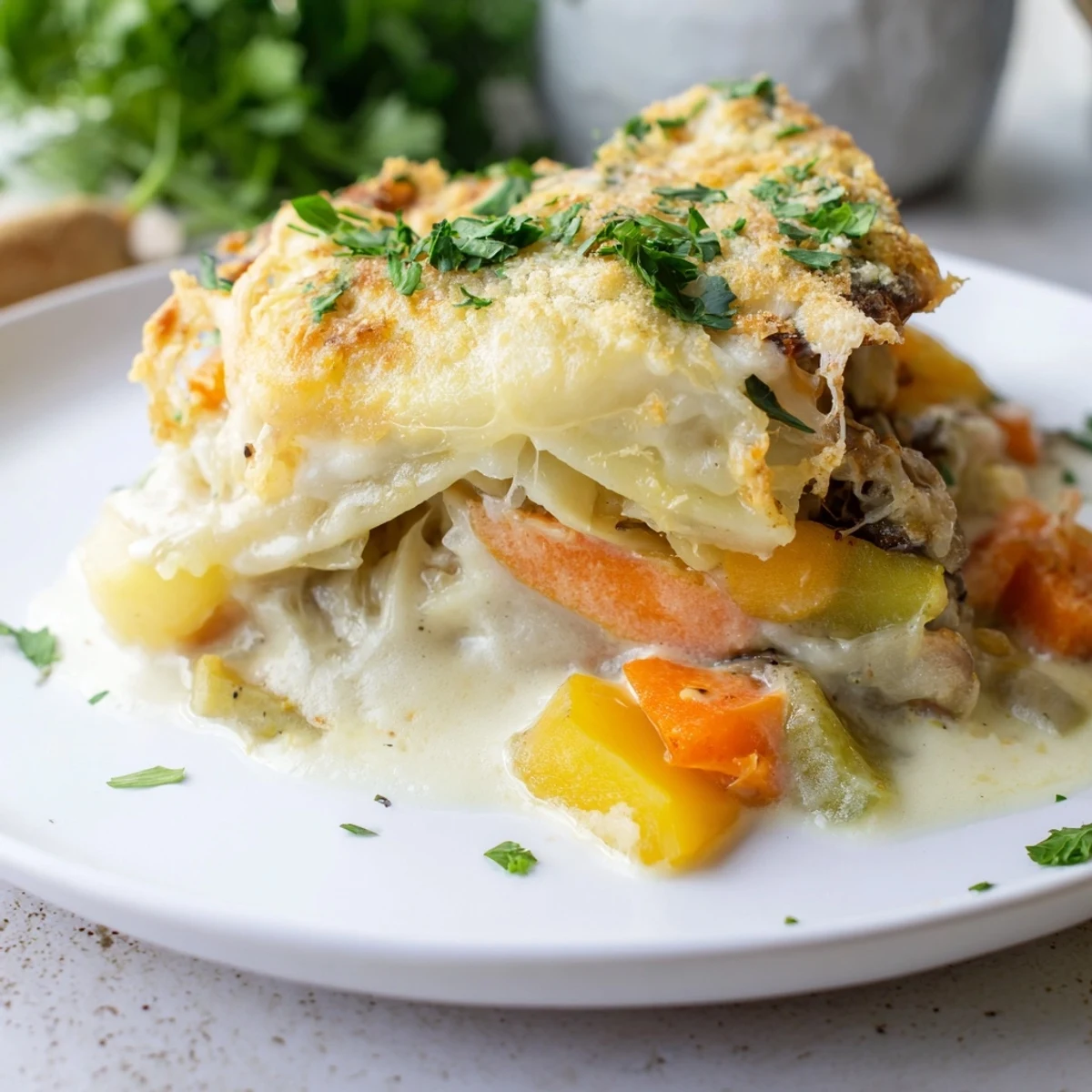
 This dish highlights a mix of tender winter vegetables like parsnips, carrots, rutabaga, and leek baked beneath a creamy sauce infused with Dijon mustard and nutmeg. Topped with melted Gruyere and Parmesan cheese, the gratin offers a golden crust and rich, savory flavors. Baking is done in two stages to achieve a tender texture and bubbly cheese top. Perfect served warm with fresh parsley garnish, it offers a cozy and satisfying dining experience ideal for colder months.
My sister called on a gray November afternoon, asking if I could bring something warm to her dinner party that weekend. I found myself standing in the produce section, drawn to a pile of parsnips still dusty from the farmer's market, and thought about the French gratin my grandmother used to make—simple, golden, the kind of dish that tastes like comfort tastes. This version became my answer to that call, a tangle of root vegetables bound in cream and cheese that somehow feels both elegant and unpretentious.
I showed up to that dinner party with the gratin still warm, and watched it disappear faster than anything else on the table—people kept going back for just one more forkful. Someone asked if it was difficult, and I realized then that the best dishes aren't complicated, they're just thoughtful about their ingredients and patient with their time.
Ingredients
- Parsnips, carrots, rutabaga, and Yukon Gold potato: These are your backbone—they should be sliced thin enough to cook through but sturdy enough not to turn to mush, so a mandoline really does make the difference here.
- Celeriac: It sounds fancy but tastes like a whisper of celery without the stringiness, adding a subtle herbaceous note that makes people wonder what that flavor is.
- Leek: The sweetness that balances everything, especially if you clean it well between the layers where sand hides.
- Butter and flour: The foundation of your sauce—whisk them together gently so there are no lumps hiding in the corners of the pan.
- Milk and heavy cream: Use whole milk if you can, and don't skip the cream; it rounds out the sauce and keeps it from being thin.
- Dijon mustard: Just a teaspoon, but it wakes up the entire sauce with a quiet sharpness.
- Nutmeg: Freshly grated if possible—pre-ground loses its warmth, and you want that spice to sing through the cream.
- Gruyere and Parmesan: Gruyere melts into the sauce like silk, while Parmesan on top gets crispy and browned, creating two different textures of cheese glory.
Instructions
- Set your stage:
- Preheat to 375°F and butter your baking dish—this is your chance to get organized before things move fast. Have all your vegetables prepped and your saucepan ready because once you start the sauce, it needs attention.
- Build your roux:
- Melt butter over medium heat, then whisk in flour until it's pale and fragrant—about a minute. This is when your kitchen starts to smell like a French bistro, and you know you're on the right track.
- Make the sauce:
- Slowly pour in the milk and cream while whisking constantly, watching as it thickens from thin to silky—this takes patience, usually four to five minutes. Once it coats the back of a spoon, add your mustard, nutmeg, salt, and pepper, then take it off the heat and taste it.
- Layer like you mean it:
- Spread half your vegetables across the bottom of the dish, pour half the sauce over them, and scatter half the Gruyere—this creates pockets of creamy, cheesy goodness throughout. Top with the remaining vegetables, sauce, and cheese, finishing with the Parmesan on top.
- Bake low, then high:
- Cover with foil and bake for thirty-five minutes so the vegetables steam gently beneath the cheese. Remove the foil and bake another fifteen minutes until the top is golden and everything is tender when you poke it.
- Rest and finish:
- Let it sit for ten minutes—this sounds short but it lets everything set so you can serve it in neat portions, not a puddle. A shower of fresh parsley is optional but makes it look like you tried, even when you're just following directions.
 Pin to Pinterest
 That dinner party became a thing because of that gratin—people started asking me to bring it to other gatherings, and suddenly it wasn't just a side dish, it was the reason they wanted me there. There's something about cooking food that's genuinely good that changes the whole feeling of a room.
Why Root Vegetables Matter
Winter vegetables have a natural sweetness that emerges when they're cooked slowly in cream, which is why this gratin tastes almost dessert-like despite being completely savory. Each vegetable brings its own personality—the parsnip is sweet and almost nutty, the rutabaga is earthy and dense, the celeriac adds a subtle anise note—and together they create a more interesting dish than any single vegetable could alone.
The Cheese, The Gold Layer
Gruyere is not just cheese, it's a decision—it's aged enough to have real flavor but melts smoothly into the sauce without becoming stringy or oily. The Parmesan on top is your final trick, creating a crust that's crispy and brown while the Gruyere underneath stays creamy, and together they're the reason people scrape the edges of the dish.
Variations and Serving Ideas
This gratin is flexible enough to bend to what you have—sweet potatoes or turnips work beautifully if your parsnips look tired, and if you don't have celeriac, just use more potato. It's equally at home next to a roasted chicken or standing alone with just a crisp salad and good bread, and it's one of those dishes that somehow tastes better the next day when everything has melded together overnight.
- Try adding a minced garlic clove to the sauce for extra savory depth without changing the essential character of the dish.
- You can assemble this completely a day ahead and bake it when you need it, making it perfect for entertaining without stress.
- Leftovers keep in the fridge for three days and reheat beautifully covered with foil so the top doesn't dry out.
 Pin to Pinterest
 This is the kind of recipe that earns its place in your rotation not because it's impressive, but because it's genuinely delicious and makes people happy. That's really all we're after in the kitchen anyway.
Recipe FAQs
- → What vegetables are used in this gratin?
-
The gratin includes parsnips, carrots, rutabaga, Yukon Gold potato, celeriac, and leek, thinly sliced for even cooking.
- → How is the creamy sauce prepared?
-
Butter and flour are cooked into a roux, then milk and cream are whisked in until thickened, finished with Dijon mustard, nutmeg, salt, and pepper.
- → Can other cheeses be used instead of Gruyere?
-
Yes, alternatives like Emmental or sharp white cheddar work well to provide a similar rich, melting texture.
- → Why is the gratin baked covered first, then uncovered?
-
Covering helps steam the vegetables to tenderize them, while uncovering at the end allows the cheese topping to brown and crisp.
- → Are substitutions for vegetables possible?
-
Root vegetables like sweet potatoes or turnips can be swapped in to vary flavors and textures according to preference.
- → How long should the gratin rest before serving?
-
Letting it rest for about 10 minutes after baking allows the sauce to settle and flavors to meld, making it easier to serve.