
 Pin to Pinterest
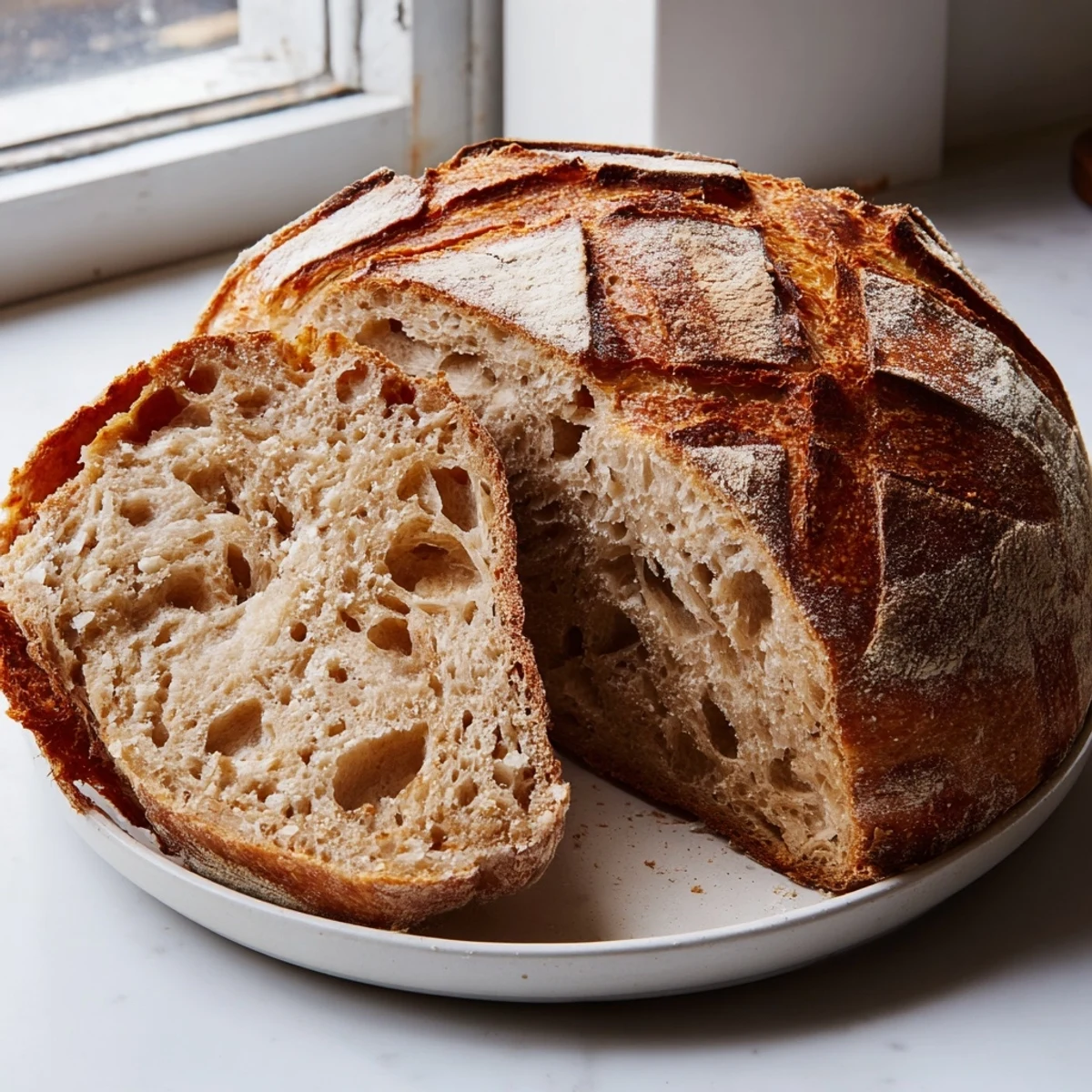
 Craft an exceptional artisan sourdough bread using traditional wild yeast fermentation methods. This naturally leavened loaf develops a beautifully crackled crust with an irresistibly chewy, open crumb structure and distinctive tangy flavor profile that comes from patience and proper technique.
The process begins with a simple autolyse before incorporating your active starter. Through strategic stretch-and-fold techniques during bulk fermentation, you'll build strength and develop gluten structure naturally. The final bake in a preheated Dutch oven creates professional steam for that coveted bakery-style crust.
Perfect for sandwiches, toast, or simply enjoying with cultured butter and sea salt. The extended fermentation enhances flavor development while making nutrients more bioavailable. Slice thick and serve slightly warmed.
The smell of sourdough baking on a weekend morning became my absolute favorite thing about quarantine. Something about that tangy aroma filling the whole house made everything feel slower and more intentional. Now I can't imagine my kitchen without a starter bubbling away on the counter.
My first attempt at sourdough resulted in a dense brick that could've been used as a doorstop. But something about the process hooked me anyway. Now after dozens of loaves, I still get a little thrill watching the oven spring happen through the glass door.
Ingredients
- Active sourdough starter: This living culture is everything so feed it until it's bubbling enthusiastically and doubled in size
- Bread flour: Higher protein content gives you that professional bakery structure and chew
- Whole wheat flour: Just enough adds complexity and nuttiness without weighing down the crumb
- Water: Room temperature helps everything incorporate smoothly
- Sea salt: Don't skip or reduce this as it's crucial for flavor and proper fermentation
Instructions
- Autolyse the flours:
- Mix bread flour, whole wheat flour, and water until shaggy, then cover and let rest for an hour
- Incorporate starter and salt:
- Add your bubbly starter and sea salt, mixing by hand until fully combined
- Bulk fermentation:
- Let dough develop at room temperature for 4 to 5 hours, performing stretch and folds every 30 to 45 minutes
- Pre shape the loaf:
- Turn onto a floured surface and gently form into a round, then rest for 20 minutes
- Final shaping:
- Create a tight round loaf and place seam side up in a floured proofing basket
- Proof the dough:
- Let rise for 2 to 3 hours at room temperature or refrigerate overnight for deeper sour flavor
- Preheat your oven:
- Heat a Dutch oven inside at 250°C (480°F) for at least 30 minutes
- Score and bake:
- Invert onto parchment, score with a sharp blade, then bake covered for 20 minutes before uncovering
- Finish baking:
- Reduce heat to 220°C (430°F) and bake another 25 minutes until deep golden brown
- Cool completely:
- Let the loaf rest on a wire rack before slicing into it
 Pin to Pinterest
 Friends started asking for loaves once they saw my Instagram photos, and suddenly sourdough became my love language. There's something profound about handing someone a warm crusty bread you nurtured for 20 hours.
Understanding Your Starter
A healthy starter should smell pleasantly tangy and have bubbles throughout after feeding. If it smells like alcohol or develops a liquid layer, it needs more regular attention and refreshment.
Shaping Confidence
The tightness of your final shape directly affects how beautifully your loaf rises in the oven. Use a bench scraper to create tension on the surface without tearing the delicate skin.
Getting That Perfect Crust
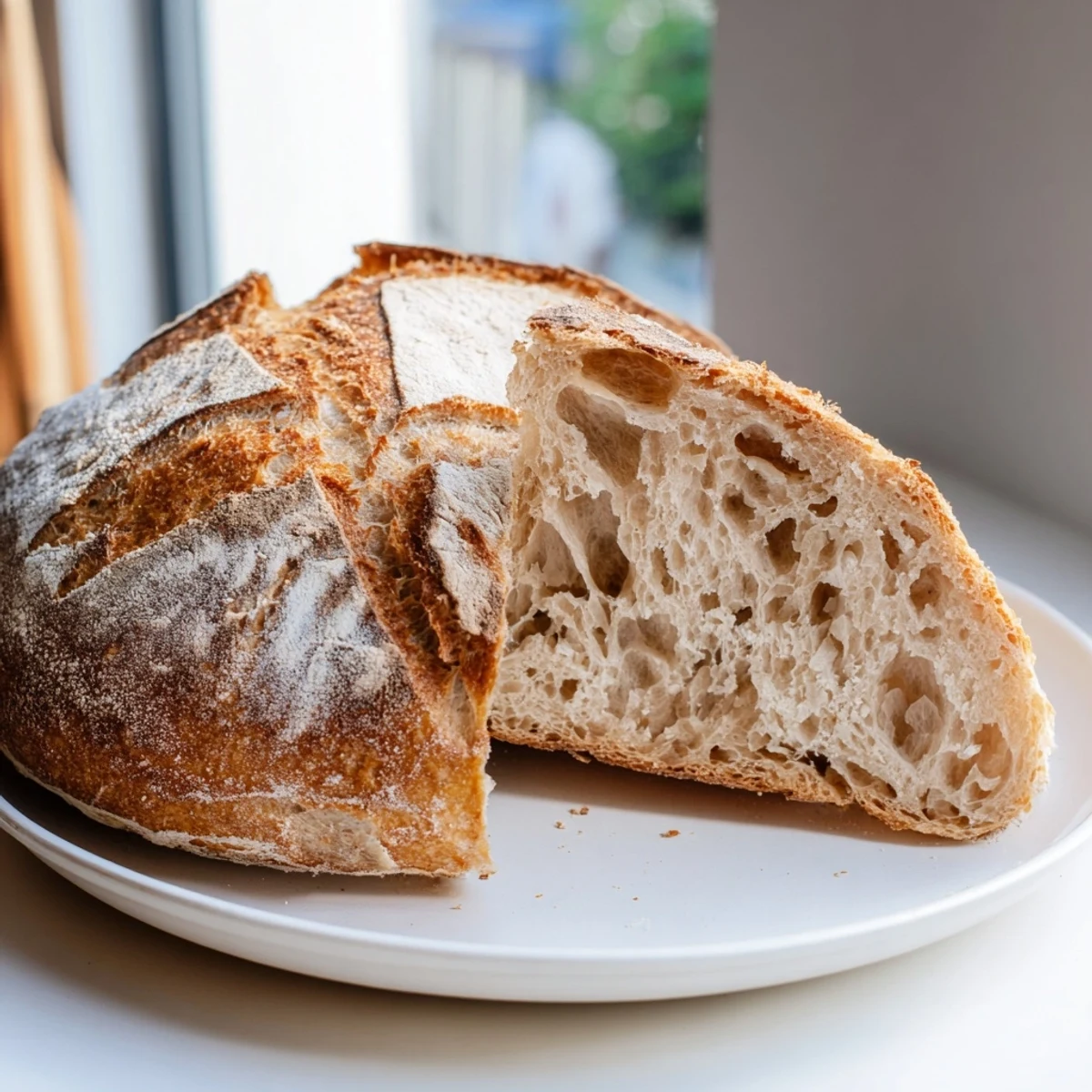
The Dutch oven creates steam which gives you that professional bakery blistered crust. Don't rush the final temperature reduction or your bread might cook too fast on the outside.
- Slice only after fully cooled or the crumb will be gummy
- A sharp lame or razor makes scoring so much easier
- Leftover bread makes incredible croutons or breadcrumbs
 Pin to Pinterest
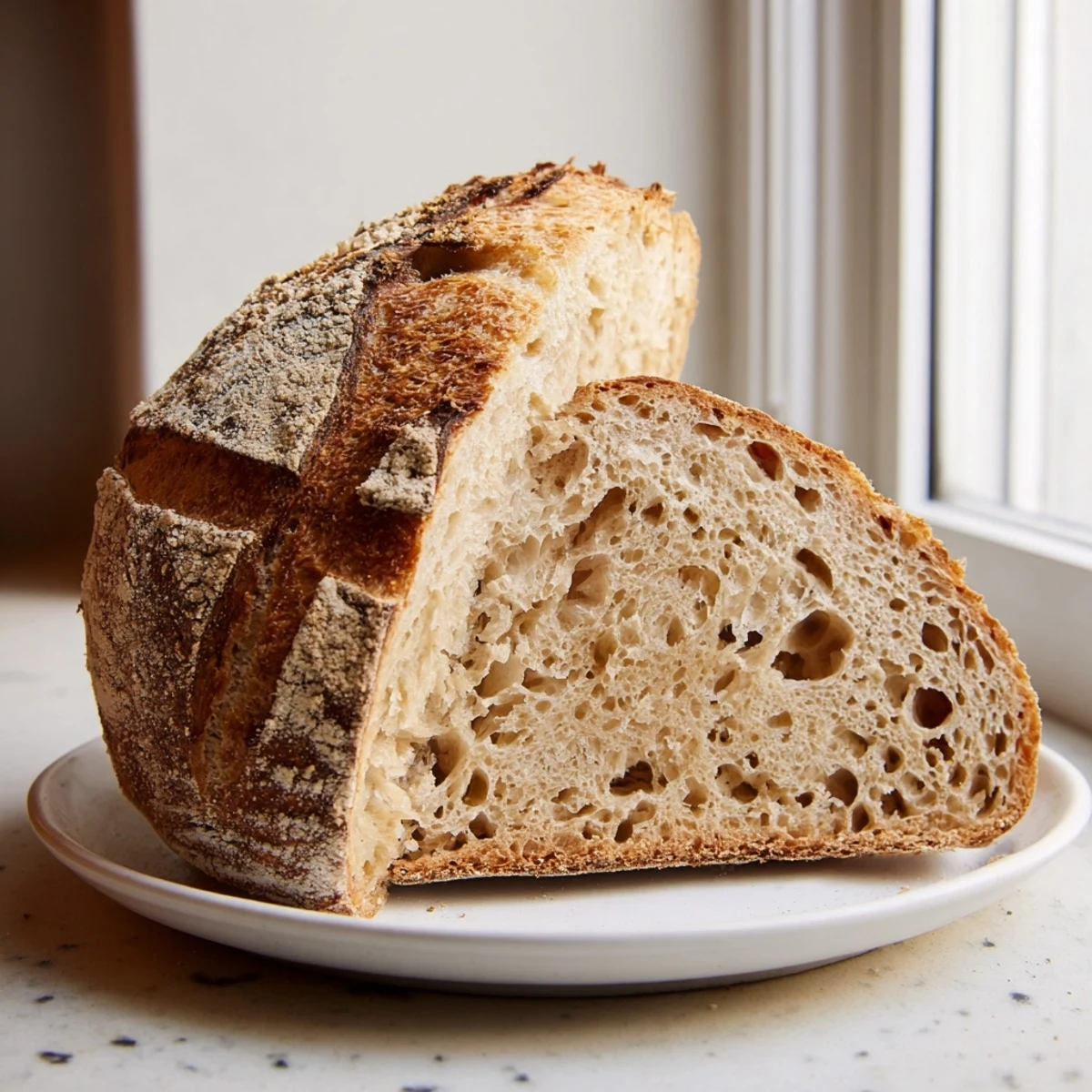
 Nothing beats warm sourdough with salted melting butter for breakfast. Enjoy every slice of this labor of love.
Recipe FAQs
- → What makes sourdough different from regular bread?
-
Sourdough uses wild yeast and beneficial lactic acid bacteria instead of commercial yeast. This natural fermentation creates the distinctive tangy flavor, extends shelf life, improves digestibility, and develops that characteristic chewy texture with beautiful open crumb structure.
- → How do I know my starter is active and ready?
-
Your starter should be fed 8-12 hours before baking and show visible signs of activity: doubled in volume, bubbles throughout the surface and sides, and a pleasant slightly sour aroma. The float test (dropping a spoonful in water) is another reliable indicator of readiness.
- → Why is the fermentation time so long?
-
Wild yeast ferments more slowly than commercial yeast, which develops superior flavor and texture. The extended fermentation breaks down phytic acid, making nutrients more absorbable, while creating complex tangy notes and improving the bread's keeping quality.
- → Can I speed up the process?
-
Temperature affects fermentation speed significantly. Warm conditions (75-80°F) accelerate activity, while cooler temperatures slow it down. However, rushing often sacrifices flavor development and texture. Cold fermentation in the refrigerator actually enhances the final result.
- → Why use a Dutch oven for baking?
-
The Dutch oven creates a steam-filled environment essential for proper oven spring and crust development. Trapped steam keeps the surface flexible initially, allowing maximum expansion, then evaporates to form a crisp, crackled crust identical to professional bakery ovens.
- → How should I store the finished loaf?
-
Store at room temperature in a paper bag or wrapped in a clean kitchen towel for up to 3 days. Avoid plastic bags which make the crust soft. For longer storage, slice and freeze in a sealed bag, reheating individual slices in a toaster to refresh.