
 Pin to Pinterest
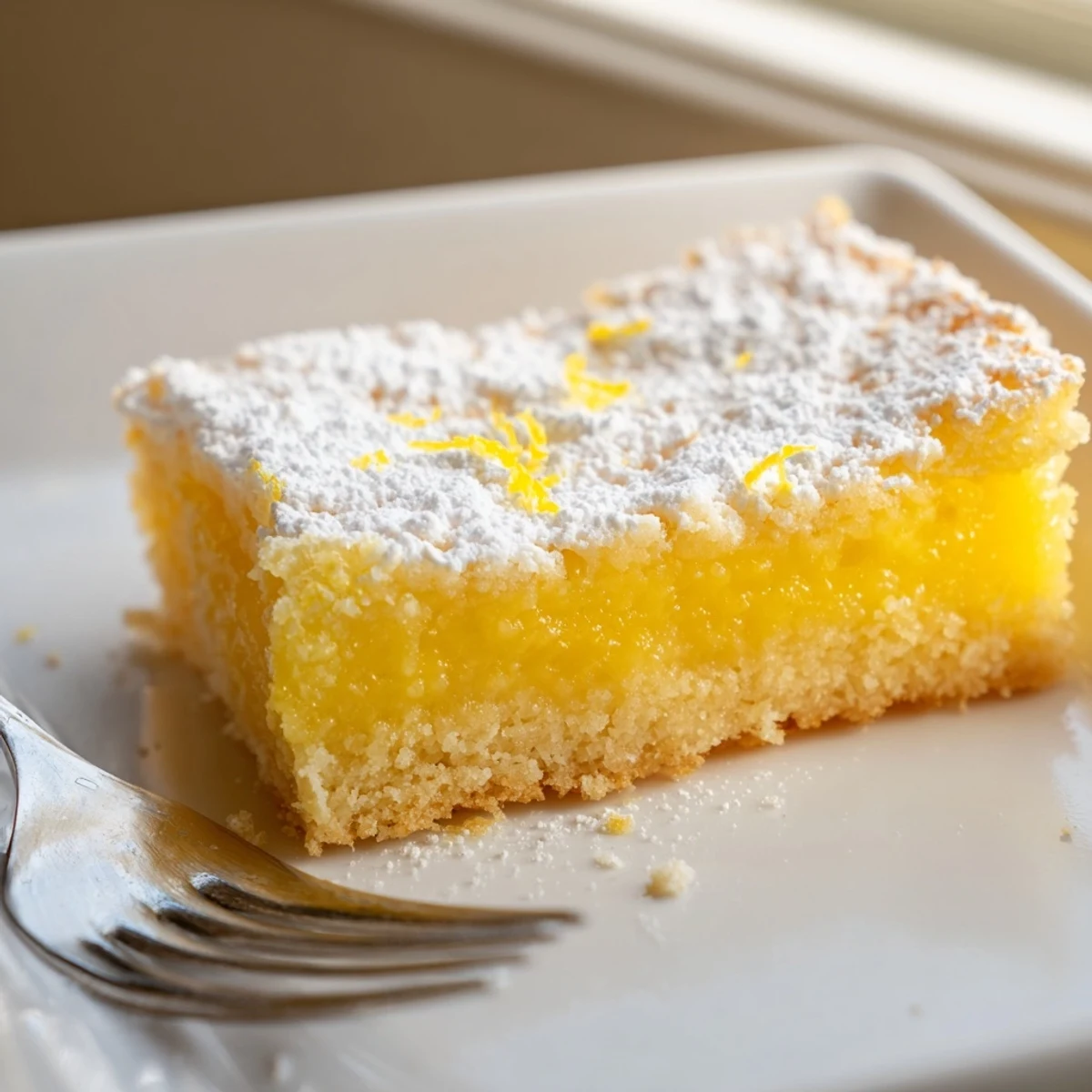
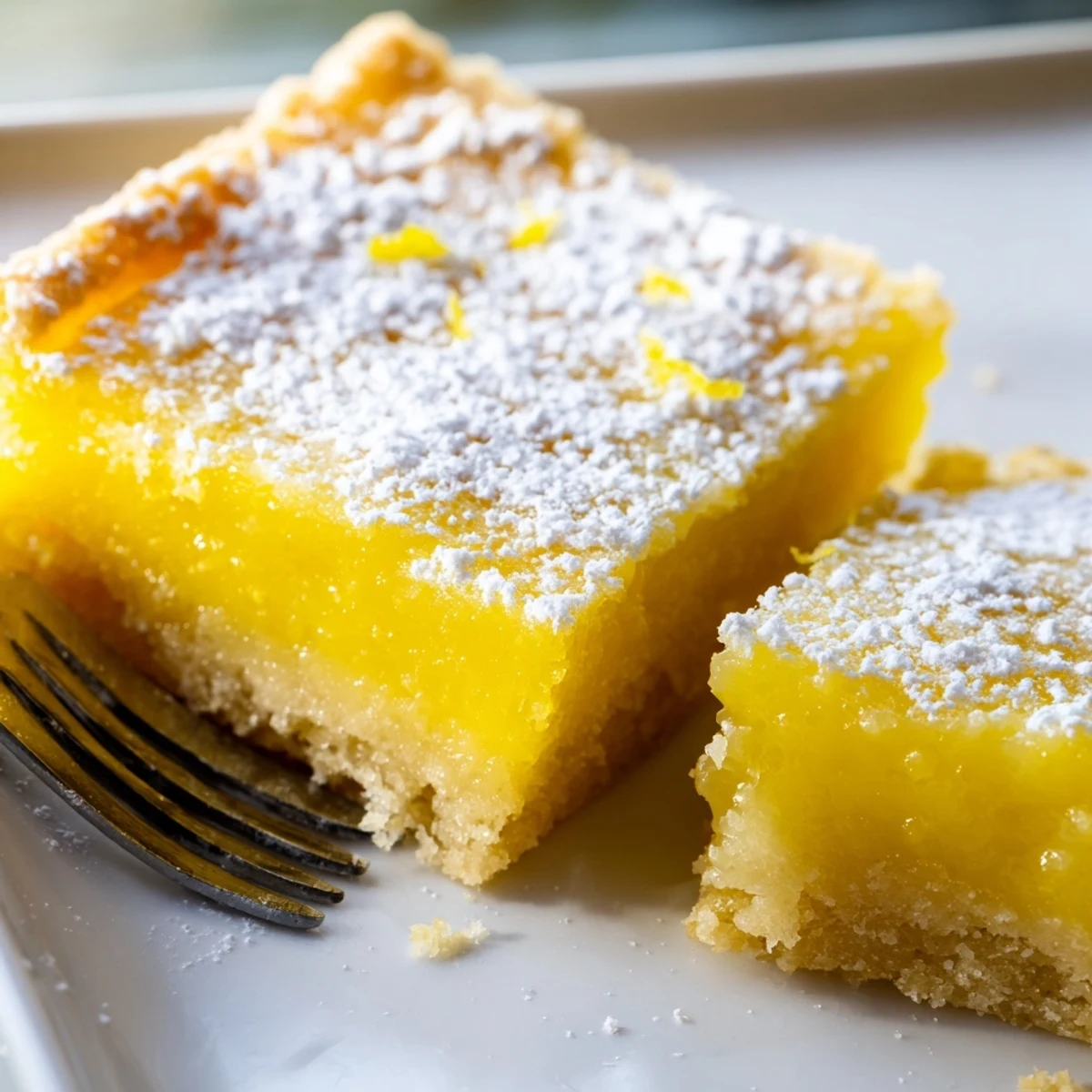
 These classic lemon bars combine a rich, buttery shortbread base with a bright, tangy lemon curd filling. The result is a perfectly balanced dessert that's both refreshing and indulgent.
Prepare the crust by creaming softened butter with sugar, then adding flour and salt. Press into a 9x13 inch pan and bake until golden. While the crust bakes, whisk together sugar, flour, eggs, fresh lemon juice, and zest for the filling.
Pour the lemon mixture directly over the hot crust and return to the oven. The filling sets beautifully as it bakes, creating that signature silky texture. Cool completely before slicing into clean squares.
For best results, use freshly squeezed lemon juice and plenty of zest for maximum flavor. Dust generously with powdered sugar just before serving for an elegant finish. Meyer lemons work wonderfully if you prefer a slightly sweeter, floral note.
The first time I made lemon bars, I was in my tiny apartment kitchen with windows that fogged up from all the zest and sugar in the air. My roommate kept wandering in every five minutes, asking if they were done yet. By the time they came out of the oven, we'd both eaten dinner standing up just waiting.
Now I make them whenever I need something that feels impressive but actually comes together in under an hour. Last summer I brought a batch to a picnic and they disappeared before anyone touched the chocolate chip cookies.
Ingredients
- 1 cup (225 g) unsalted butter, softened: Room temperature butter creams beautifully into the sugar for that melt in your mouth shortbread texture
- 1/2 cup (100 g) granulated sugar: Just enough sweetness to let the butter shine without becoming cloying
- 2 cups (250 g) all-purpose flour: Gives the crust structure while staying tender and crumbly
- 1/4 tsp salt: A pinch that makes all the flavors pop
- 1 and 1/2 cups (300 g) granulated sugar: Balances the tartness of the fresh lemon juice
- 1/4 cup (30 g) all-purpose flour: Helps the filling set into that perfect silky consistency
- 4 large eggs: The backbone that gives the lemon curd its rich structure
- 2/3 cup (160 ml) freshly squeezed lemon juice: Fresh is everything here, bottled juice simply won't give you that bright punch
- 1 tbsp lemon zest: Where all the essential oils live, adding depth beyond just acidity
- Powdered sugar, for dusting: The snowy finish that makes these look professionally made
Instructions
- Prepare the pan and oven:
- Preheat your oven to 350°F (175°C) and line a 9x13 inch pan with parchment paper, letting the edges hang over like handles
- Make the shortbread crust:
- Cream the softened butter and 1/2 cup sugar until fluffy, then fold in 2 cups flour and salt just until the dough comes together
- Press and par-bake:
- Press the dough evenly into your prepared pan and bake for 18 to 20 minutes until the edges turn golden brown
- Whisk the lemon filling:
- While the crust bakes, whisk together the sugar and flour, then add eggs, lemon juice, and zest until smooth
- Layer and bake again:
- Pour the lemon mixture right over the hot crust and return to the oven for another 18 to 20 minutes until the center is just set
- Cool completely:
- Let the bars cool completely in the pan, then lift them out using the parchment handles and slice into 16 squares
- Finish with sugar:
- Dust generously with powdered sugar right before serving for that classic bakery look
 Pin to Pinterest
 My grandmother would cut these into tiny squares and serve them on her best china after Sunday dinner. She said small portions meant people could eat two without feeling guilty about it.
Getting The Most Lemon Flavor
Roll your lemons on the counter before cutting to break down the internal membranes. Zest them before you juice, and make sure you're getting the colorful outer layer without the bitter white pith underneath.
Perfect Shortbread Every Time
Don't overwork the dough once you add the flour, those pockets of butter are what creates that tender crumb. If the dough feels sticky, chill it for 10 minutes before pressing into the pan.
Serving And Storing
These actually improve after a day in the refrigerator as the flavors meld together. The cold also firms them up for the cleanest possible cuts.
- Dust with powdered sugar right before serving, not ahead, or it will absorb into the surface
- Store layered between parchment paper in an airtight container for up to 5 days
- They freeze beautifully and thaw in about 30 minutes at room temperature
 Pin to Pinterest
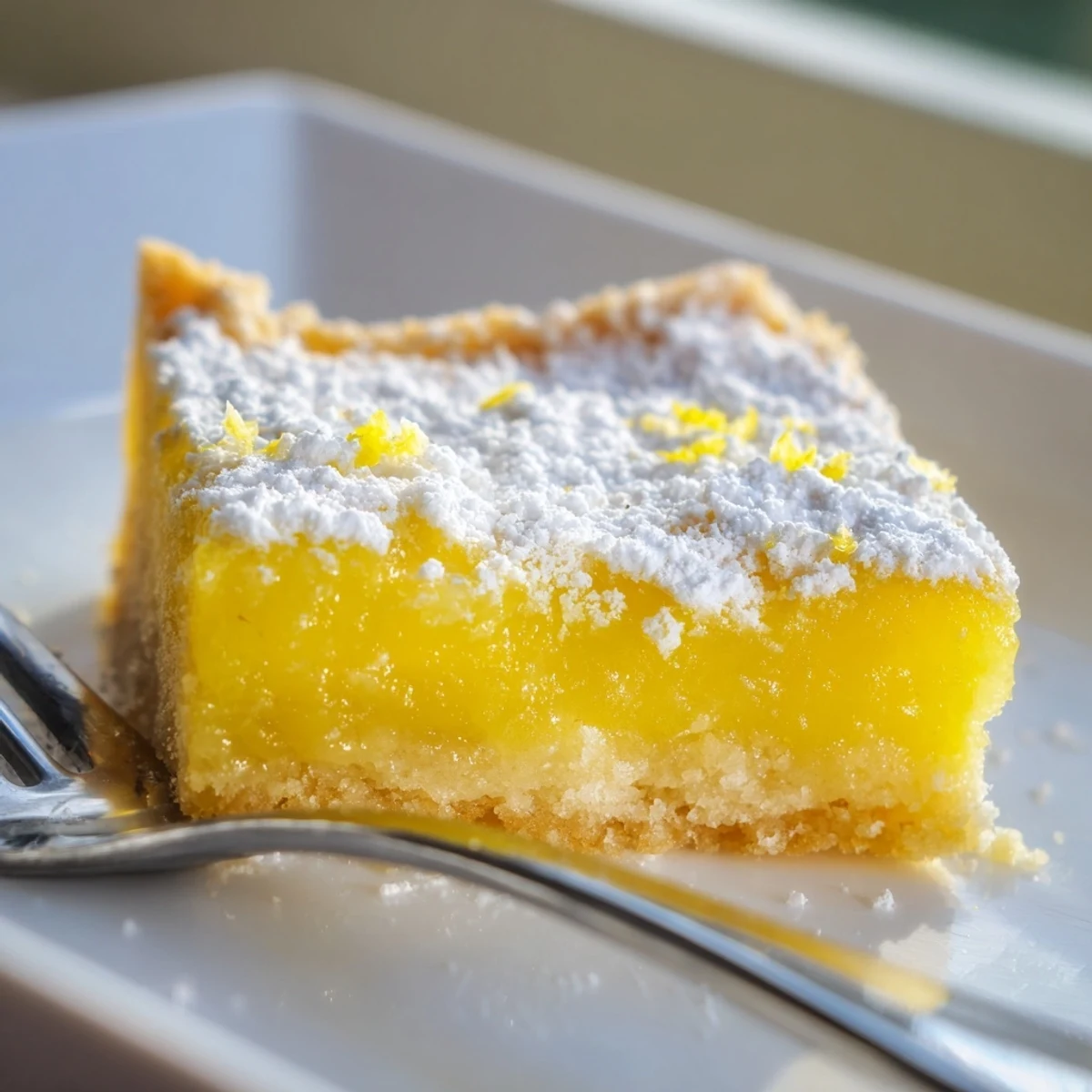
 There's something about that first bite of bright lemon cutting through buttery crust that just feels like sunshine on a plate, no matter what time of year it is.
Recipe FAQs
- → How do I know when lemon bars are done baking?
-
The filling should be just set in the center with a slight jiggle, similar to cheesecake. The edges will be slightly puffy and golden. Avoid overbaking as this can cause the filling to become rubbery or crack.
- → Why do my lemon bars have a watery layer at the bottom?
-
This usually happens when the filling isn't baked long enough or when too much lemon juice is used. Make sure to measure accurately and bake until the center is just set. Cooling completely at room temperature before refrigerating also helps prevent separation.
- → Can I make lemon bars ahead of time?
-
Absolutely. Lemon bars actually taste better after chilling for several hours or overnight. The flavors meld and the texture becomes more firm. Store in the refrigerator for up to 3 days, but add powdered sugar just before serving as it may dissolve over time.
- → Should I use a water bath for lemon bars?
-
No, a water bath isn't necessary for classic lemon bars. The shortbread crust protects the filling from direct heat, and baking at 350°F produces smooth, creamy results without the need for this extra step.
- → What's the best way to get clean cuts when slicing lemon bars?
-
Chill the bars in the refrigerator for at least 2 hours before cutting. Use a sharp knife wiped clean between each cut, or dip the knife in hot water and dry it between slices. The parchment paper overhang makes lifting the entire block out for easier cutting.
- → Can I use bottled lemon juice instead of fresh?
-
Fresh lemon juice is highly recommended for the best flavor. Bottled juice can taste artificial and lacks the bright, complex notes of fresh citrus. If you must substitute, choose high-quality bottled juice without preservatives, but expect a slightly different flavor profile.