
 Pin to Pinterest
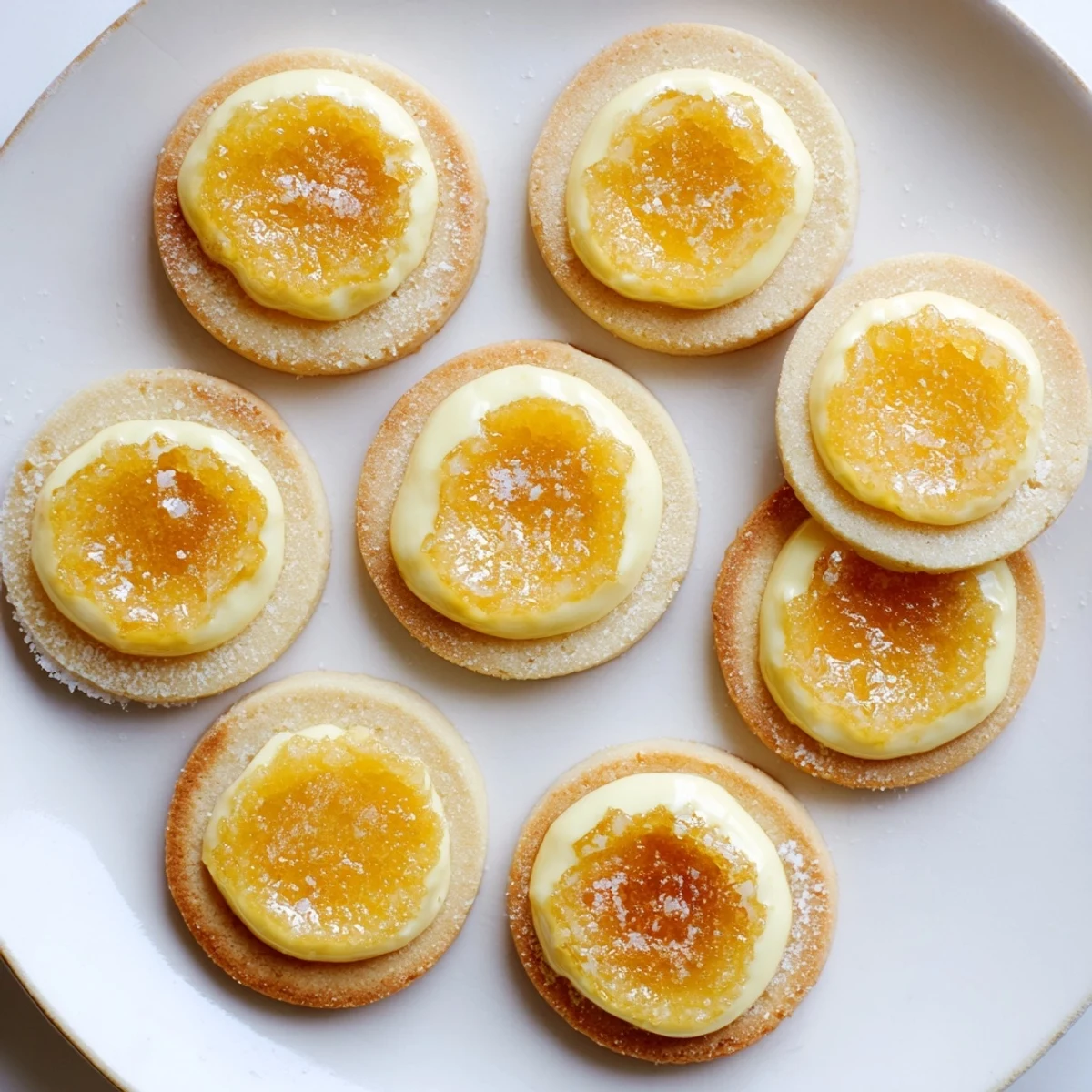
 These delicate cookies start with a classic buttery shortbread base, enriched with vanilla and baked until lightly golden. After cooling, each round receives a dollop of silky vanilla custard before being finished with a signature layer of caramelized sugar. The kitchen torch creates that signature crackling crust that contrasts beautifully with the tender cookie beneath.
The result is a sophisticated two-bite treat that captures all the beloved elements of the traditional French dessert—creamy custard, caramelized sugar, and buttery richness—in a portable format. Perfect for elegant entertaining or afternoon tea.
The first time I made these, my kitchen smelled like a French patisserie for hours. I had been experimenting with shortbread for years, always trying to find that perfect balance between tender and structured. When the idea struck to marry it with crème brûlée, I almost abandoned it as too complicated. But watching that sugar crystallize under my kitchen torch made all the effort worthwhile.
I served these at a dinner party last winter, and my friend Sarah actually gasped when she bit into that first caramelized layer. We spent the rest of the evening discussing whether the custard should be warm or cold (room temperature wins, by the way). Something about that combination of comfort and elegance just makes people pause and really savor each bite.
Ingredients
- Unsalted butter: Room temperature butter is non-negotiable here. I once tried softening cold butter in the microwave and ended up with greasy, flat cookies that never quite crisped up properly.
- Powdered sugar: This creates a more tender texture than granulated sugar would, plus it dissolves more easily into the butter without leaving grit behind.
- All-purpose flour: Sifting might feel fussy, but I learned the hard way that lumpy flour leads to weird dry pockets in otherwise perfect cookies.
- Heavy cream: The fat content matters. I attempted half-and-half once and the custard never set quite right, leaving me with sad, soupy cookies.
- Egg yolks: Separate these carefully. Even a drop of white can affect how smoothly your custard thickens.
- Granulated sugar for topping: This needs to be an even, thin layer. Too much and you get a thick, hard caramel sheet instead of that delicate shattering effect.
Instructions
- Cream the butter mixture:
- Beat that butter and powdered sugar until it actually looks fluffy, about 3 minutes. The air you incorporate now is what gives the cookies their melt-in-your-mouth quality later.
- Form the dough:
- Mix in the flour just until you no longer see dry streaks. Overworking at this stage develops gluten and makes the cookies tough instead of tender.
- Chill the logs:
- Wrap your dough tightly and let it firm up in the refrigerator. Warm dough spreads too thin and bakes up flat, which I learned from a batch that looked more like crackers than cookies.
- Slice and bake:
- Cut even rounds, about half an inch thick. Rotate your baking sheet halfway through baking for consistent golden edges all around.
- Make the custard:
- Whisk constantly over medium-low heat. The moment it thickens slightly, remove it from heat. It continues thickening as it cools, and scrambling the eggs would be tragic after all this work.
- Assemble and torch:
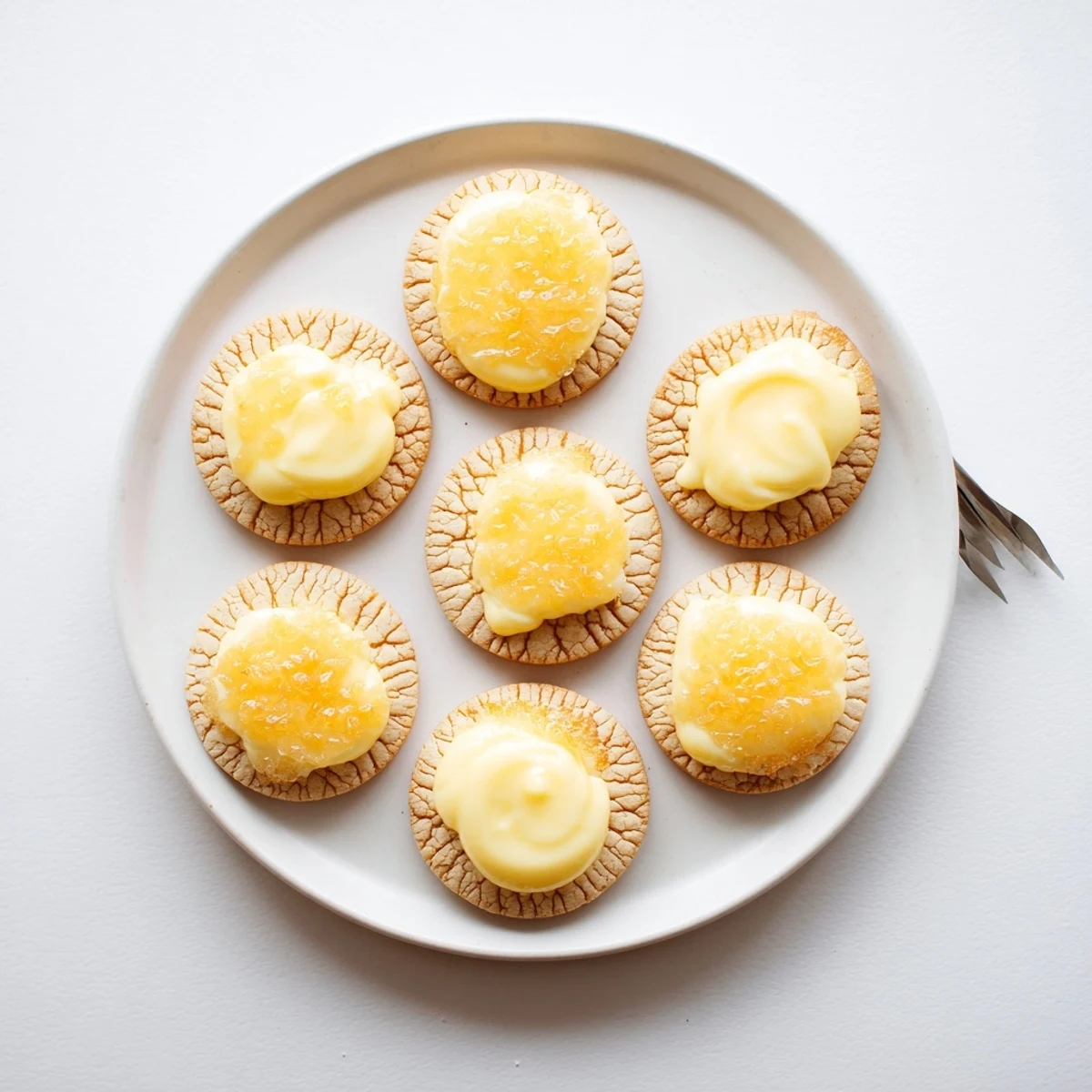
- Spoon just enough custard to barely coat each cookie center. Sprinkle sugar evenly and torch until golden brown, holding the flame about two inches away and moving constantly.
 Pin to Pinterest
 My daughter now requests these for every special occasion, and torching the sugar has become her favorite kitchen task. Theres something magical about watching plain sugar transform into something so entirely different in seconds. These cookies have turned into more than dessert. They are an experience, a moment of anticipation and transformation that somehow feels like a tiny celebration.
Getting That Perfect Crack
The sugar layer should be paper thin. If you can see through it in spots, you have got it right. Thick layers create a hard candy shell that separates from the custard when you bite down. A delicate shatter is what we are after here.
Make Ahead Magic
The shortbread logs freeze beautifully for up to three months. Slice and bake from frozen, adding just two minutes to the baking time. The custard keeps in the refrigerator for three days, so you can prep everything in advance and just assemble and torch when guests arrive.
Serving Suggestions
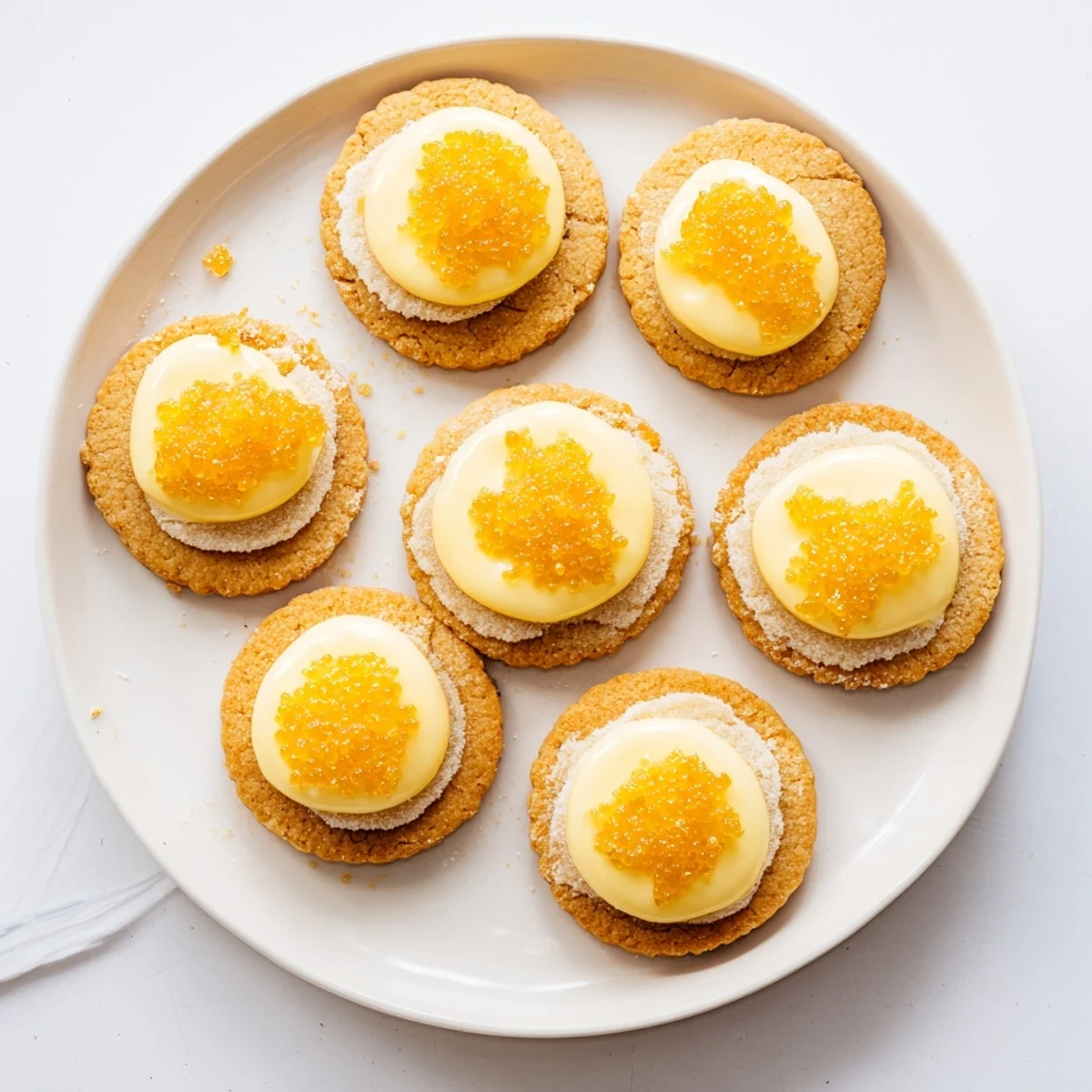
These deserve to be the star of the show. Serve them on simple white plates so the golden caramel really pops. A cup of strong coffee or a glass of Sauternes balances the sweetness perfectly. I have found that people appreciate one exceptional cookie more than a plate of mediocre desserts.
- Let the torched sugar set for at least five minutes before serving
- Room temperature is ideal for the best texture contrast
- Store any leftovers in the refrigerator, but bring them to room temperature before eating again
 Pin to Pinterest
 There is something deeply satisfying about combining classic techniques into something entirely new. I hope these become a beloved part of your baking repertoire, just as they have in mine.
Recipe FAQs
- → Can I make these without a kitchen torch?
-
You can caramelize the sugar under your oven broiler. Place cookies on a baking sheet and broil for 30-60 seconds, watching closely to prevent burning. The texture will be slightly different but still delicious.
- → How should I store these cookies?
-
Store in an airtight container in the refrigerator for up to 3 days. The caramelized sugar will soften slightly over time. Bring to room temperature before serving for the best texture and flavor experience.
- → Can I prepare the dough in advance?
-
Absolutely. Wrap the dough logs tightly in plastic wrap and refrigerate for up to 3 days or freeze for up to 1 month. Thaw frozen dough overnight in the refrigerator before slicing and baking.
- → What's the best way to achieve uniform cookies?
-
Chill the dough thoroughly before slicing. Use a sharp knife and clean it between cuts for neat edges. If the dough softens while slicing, return it to the refrigerator for 15 minutes before continuing.
- → Can I use salted butter instead?
-
You can, but reduce the added salt to 1/8 teaspoon. Unsalted butter is preferred because it allows you to control the sodium level precisely, which is important for balancing the sweet custard and caramelized sugar.
- → What sugar works best for the caramelized topping?
-
Regular granulated sugar creates the smoothest caramel. Turbinado or raw sugar adds extra crunch and deeper flavor but may not melt as evenly. Demerara sugar also works well for a textured finish.