
 Pin to Pinterest
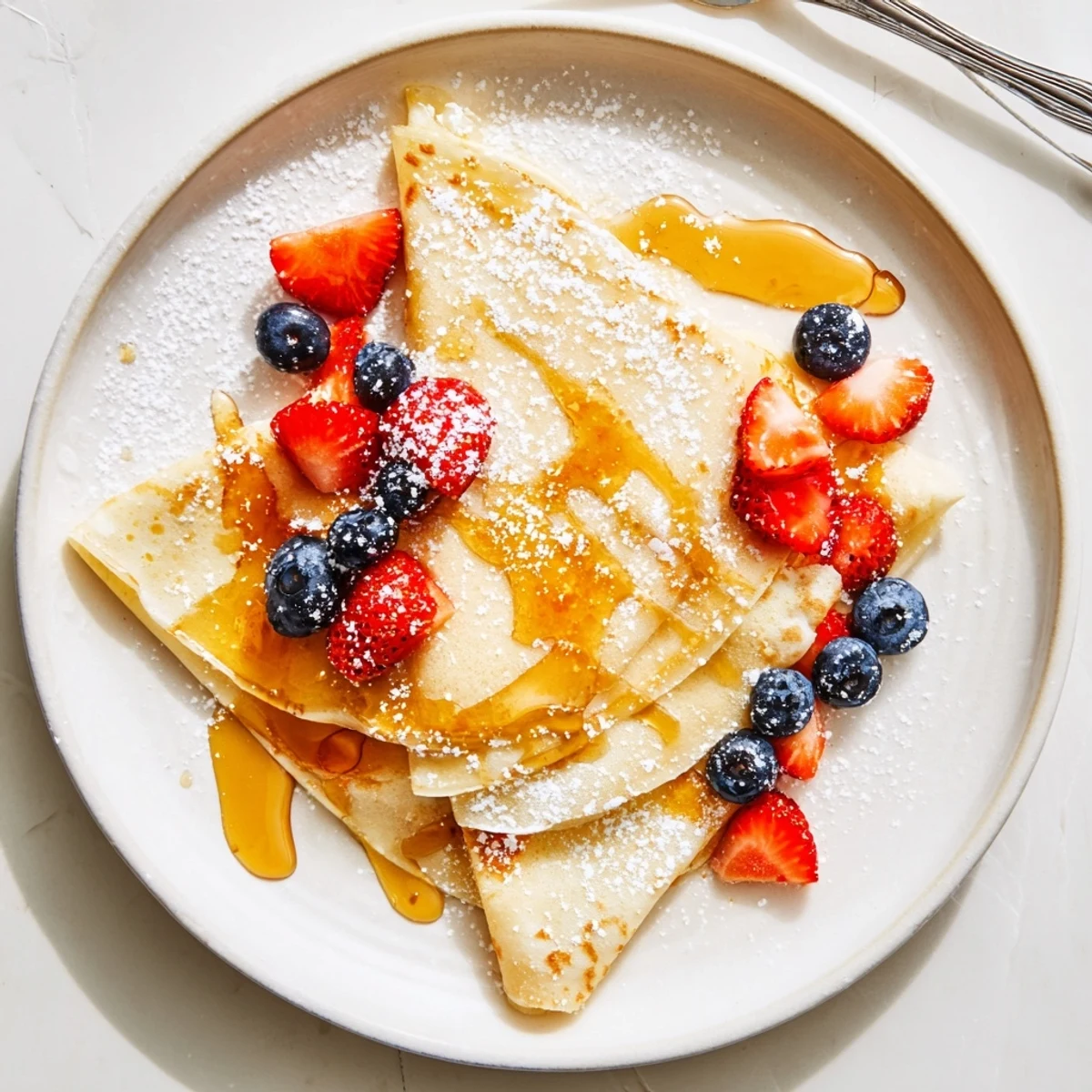
 Create delicate, restaurant-quality French crepes at home with this simple technique. The batter comes together in minutes and rests while you heat your pan, resulting in impossibly thin, tender pancakes that cook in just 2 minutes each.
The golden honey drizzle adds natural sweetness and beautiful gloss, while fresh berries and powdered sugar make elegant finishing touches. These versatile crepes work beautifully for leisurely weekend breakfasts, impressive brunch spreads, or light desserts.
Customize your crepes by adding citrus zest to the batter, swapping buckwheat flour for a nutty variation, or serving with whipped cream and nuts. The batter keeps well in the refrigerator, so you can enjoy fresh crepes throughout the week.
There's something almost meditative about making crêpes on a slow Sunday morning, when the kitchen is still quiet and the light is just starting to filter through the windows. I started making these years ago during a brief stay in a tiny Paris apartment, where my landlord taught me that the secret isn't technique at all it's about not overthinking the swirl. Now they've become my go-to when I want to make something special without actually working hard.
Last summer, my daughter decided she wanted to learn how to make something 'impressive' for her best friend's sleepover breakfast. We spent a happy hour making a mess of my kitchen, flour dusting everything, and by the time they were stacking their third crêpe each, they'd declared themselves professional crêpe chefs. The friend still asks about 'those fancy pancakes' every time she comes over.
Ingredients
- 1 cup all-purpose flour: Plain flour gives you that classic delicate texture without any competing flavors
- 2 large eggs: Room temperature eggs blend more smoothly into the batter, creating that silkiness you want
- 1 1/4 cups milk: Whole milk creates the richest crêpes, though whatever you have in your fridge will work
- 2 tbsp unsalted butter, melted: Let it cool slightly before adding so it doesn't cook the eggs when it hits the batter
- 1 tbsp granulated sugar: Just enough to enhance the natural sweetness without making these dessert-like
- 1/4 tsp salt: This tiny amount balances the flavors and keeps the crêpes from tasting flat
- 1 tsp vanilla extract: Optional, but I never skip it it adds a warm background note that pairs beautifully with honey
- 1/4 cup honey for serving: Warm it slightly for easier drizzling and better coverage
- Fresh berries and powdered sugar: Completely optional but they make everything look restaurant-worthy
Instructions
- Whisk the dry ingredients:
- In a mixing bowl, combine the flour, sugar, and salt until they're evenly distributed
- Blend the wet mixture:
- In a separate bowl, beat the eggs thoroughly, then whisk in the milk and vanilla until smooth
- Combine everything:
- Pour the wet ingredients into the dry gradually, whisking constantly to prevent lumps, then stir in that melted butter
- Let it rest:
- Set the batter aside for at least 15 minutes up to an hour if you can, which lets the flour hydrate for tender results
- Heat your pan:
- Warm a nonstick skillet over medium heat and brush it lightly with melted butter you want it hot but not smoking
- Make the swirl:
- Pour about 1/4 cup of batter into the pan, immediately lifting and tilting to spread it thin and even across the surface
- Cook the first side:
- Let it cook for 1 to 2 minutes until the edges start to curl up slightly and the bottom is pale golden
- Flip and finish:
- Slide a spatula underneath, flip confidently, and cook just 30 seconds more until set
- Stack and serve:
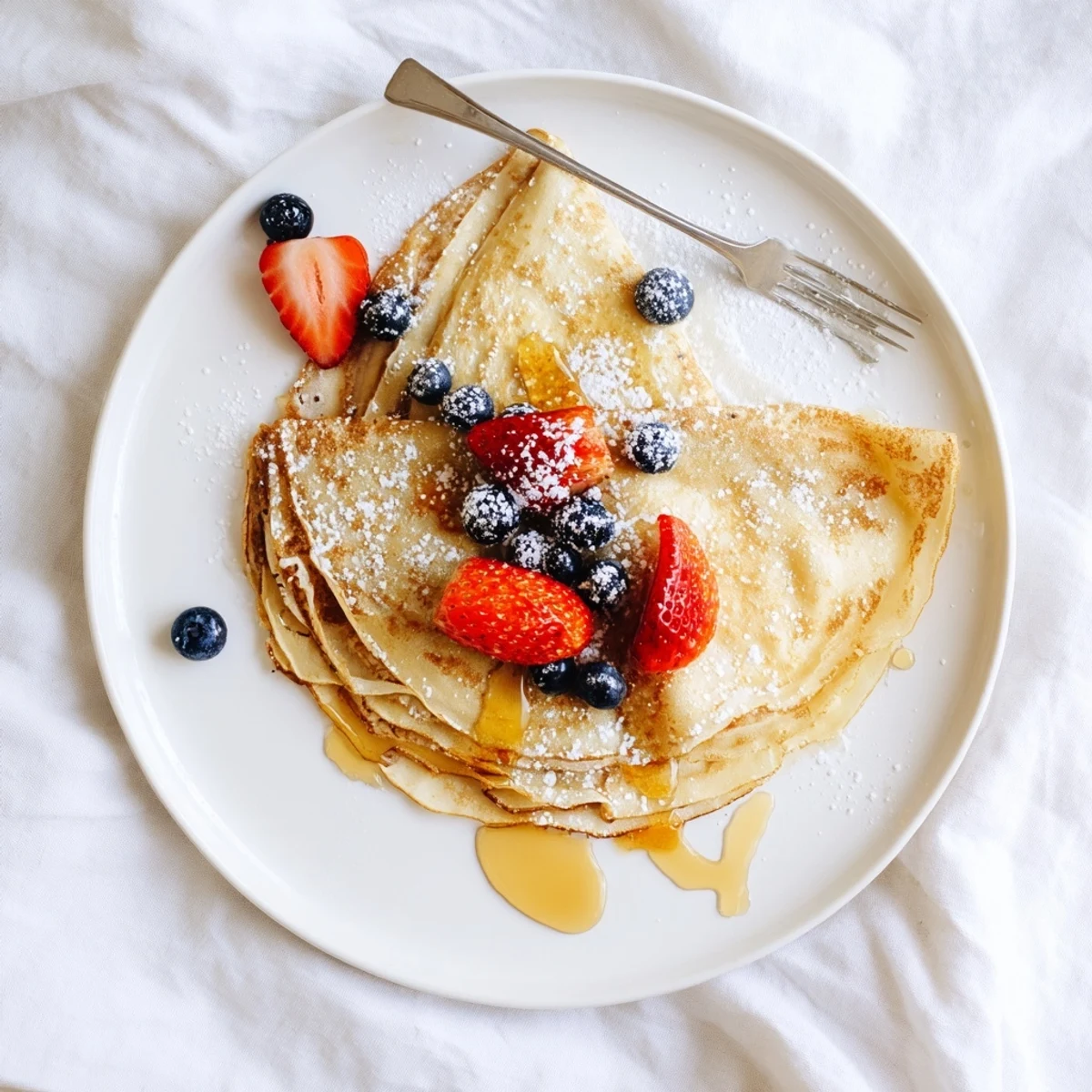
- Keep finished crêpes warm on a plate, then stack them with honey drizzled between layers and whatever toppings you like
 Pin to Pinterest
 These became my signature dish during what I call my year of Tuesday dinner parties, where I'd invite friends over midweek just to break up the routine. There was something magical about standing at the stove, crêpe after crêpe, while people gathered around the island, talking and laughing and reaching for warm ones straight from the pan. Food tastes better when you're all in the kitchen together.
Getting That Perfect Swirl
The motion for spreading batter is more wrist than arm think of it like you're trying to coat the entire surface with one smooth, confident tilt. If the batter sets before you can swirl it, your pan is probably too hot, so lower the heat slightly and try again. A 8-inch skillet is ideal for beginners, but any size works as long as you adjust the amount of batter accordingly.
Making Them Ahead
The batter actually develops better flavor if it rests in the refrigerator overnight, covered tightly. When you're ready to cook, give it a quick whisk since it may separate slightly in the fridge. You can also stack cooked crêpes between parchment paper, wrap them well, and freeze for up to a month just reheat gently in a warm pan.
Honey Beyond the Basics
Different honeys create completely different experiences here wildflower adds floral notes while buckwheat honey brings this earthy depth that's surprisingly sophisticated. I once served orange blossom honey with these, and my friend said it reminded her of summers in her grandmother's garden.
- Warm your honey in a small bowl of hot water for easier drizzling
- A light pinch of sea salt on top makes the honey flavor pop
- Leftover crêpes make incredible lunch wraps the next day
 Pin to Pinterest
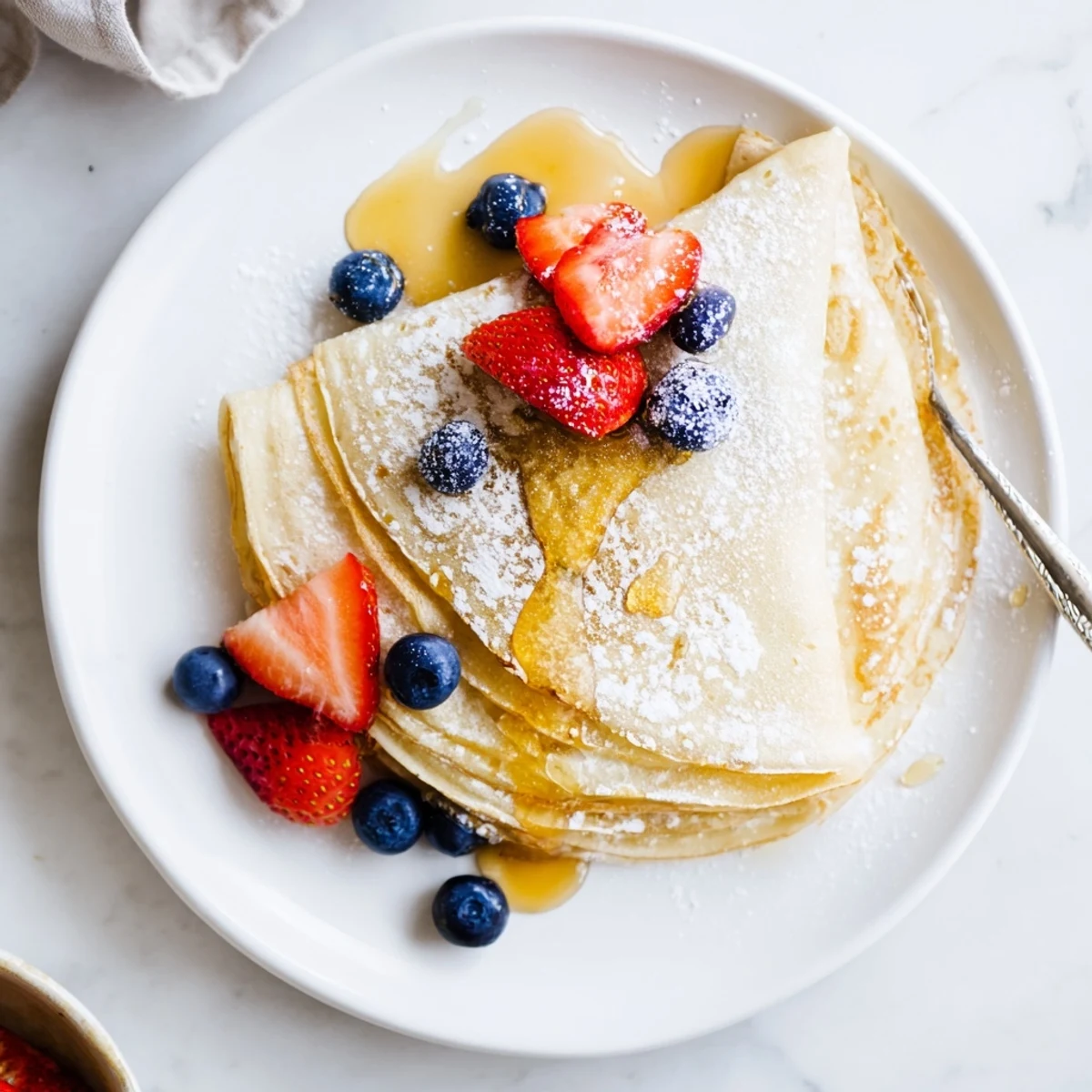
 There's always that moment when someone takes that first bite, eyes closed, and says oh, I should make these and I just smile because I know they absolutely will.
Recipe FAQs
- → Why should I let the crepe batter rest?
-
Resting the batter for 15 minutes to 1 hour allows flour to fully hydrate, resulting in tender crepes that don't tear easily. This relaxation time also prevents bubbles from forming during cooking, giving you smoother, more delicate results.
- → How do I know when to flip the crepe?
-
The crepe is ready to flip when the edges start to lift slightly from the pan and the surface appears set rather than wet. The underside should be pale golden with light spots. This typically takes 1-2 minutes over medium heat.
- → Can I make the batter ahead of time?
-
Absolutely. Crepe batter actually improves with a rest period and can be refrigerated overnight. The flour continues hydrating, making the crepes even more tender. Give the batter a quick whisk before cooking as ingredients may settle.
- → What's the best way to keep crepes warm while cooking?
-
Stack cooked crepes on a plate and cover loosely with aluminum foil or a clean kitchen towel. You can also place them in a 200°F oven until ready to serve. The residual heat keeps them warm and pliable without drying them out.
- → Why are my crepes tearing or sticking to the pan?
-
Tearing usually means the batter needs more resting time or the pan is too hot. Sticking indicates the pan needs more butter or isn't properly seasoned. Use a nonstick skillet, keep heat at medium, and brush with melted butter before each crepe.
- → Can I freeze these crepes?
-
Yes, crepes freeze beautifully. Layer them between sheets of parchment paper, wrap tightly in plastic, and freeze for up to 3 months. Thaw overnight in the refrigerator and warm gently in the microwave or skillet before serving with honey.