 Pin to Pinterest
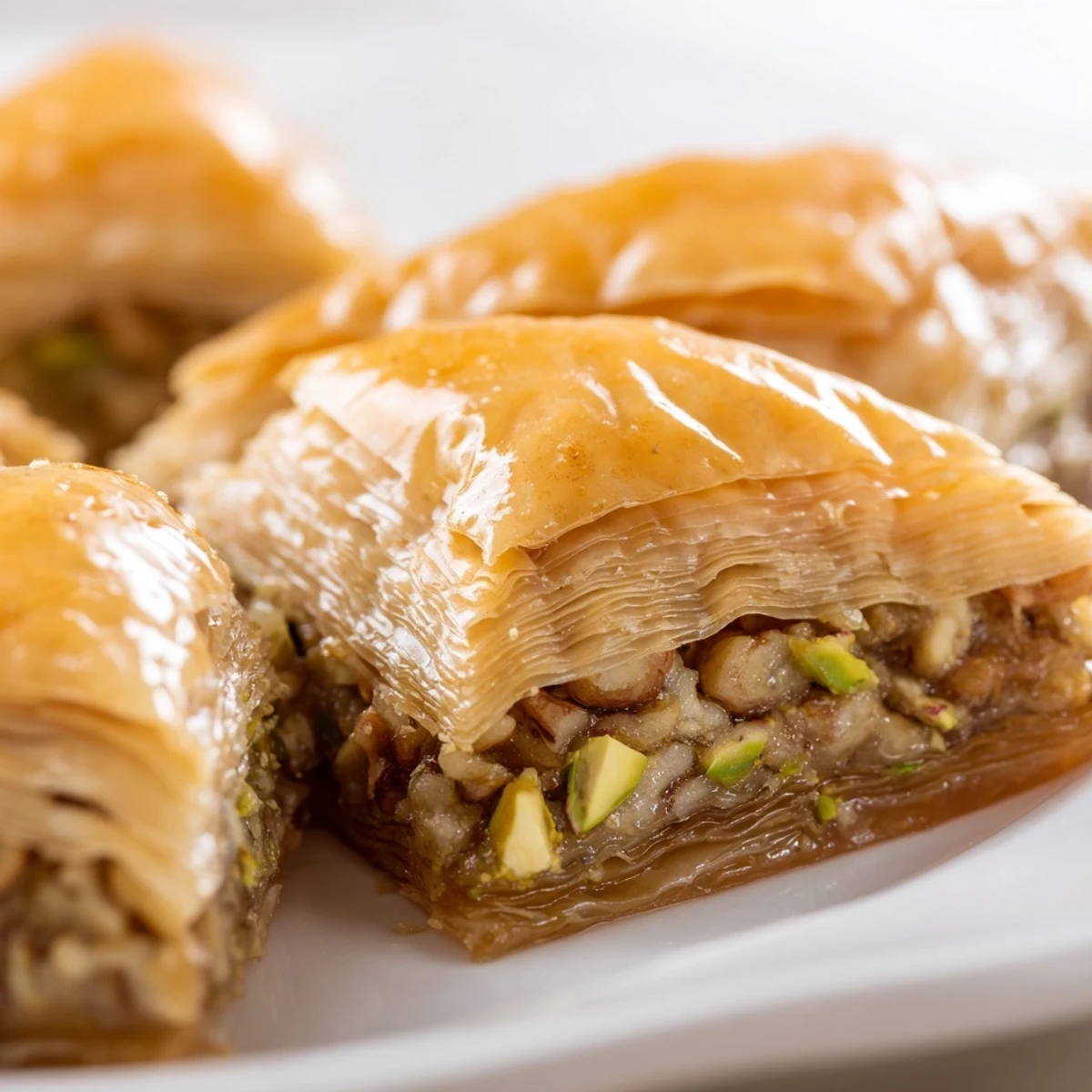
 Create this classic Middle Eastern sweet by layering buttery phyllo sheets with a fragrant mixture of walnuts, pistachios, almonds, and cinnamon. Bake until golden and crisp, then drench immediately with hot syrup made from honey, sugar, and citrus notes. The pastry absorbs the sweet liquid, creating the signature sticky texture while maintaining its delightful crunch. Serve alongside Turkish coffee or strong tea for an authentic finishing touch.
The moment I walked into my grandmother's kitchen and caught that honey butter scent lingering in the air, I knew something special was happening. She was pulling a golden tray from the oven, the phyllo layers shattering into delicate crystals with every careful movement. That afternoon changed everything I thought I knew about patience in baking.
I brought my first batch to a dinner party where people claimed they didn't like baklava. One bite later and the entire platter vanished before the main course was even cleared. Watching friends hover around the pan, sneaking just one more diamond, convinced me this recipe deserves a permanent spot in every kitchen.
Ingredients
- 400 g phyllo dough: Keep it covered with a damp towel while working, because dried out sheets will tear and frustrate you
- 250 g unsalted butter, melted: Brush every single layer generously, because this is what creates those irresistible flaky layers
- 200 g walnuts: Finely chopped so they distribute evenly and don't create lumps in your layers
- 100 g pistachios: They add that beautiful green speckle and a slightly more sophisticated flavor
- 80 g almonds: Toast them lightly before chopping if you want deeper flavor throughout
- 80 g granulated sugar: This blends with the nuts to create small sweet pockets in every bite
- 1 tsp ground cinnamon: Don't skip this, it's what ties all those nuts together beautifully
- 250 ml water: Start your syrup base with this and watch it transform
- 300 g sugar: This amount creates the perfect sticky consistency without being cloying
- 2 tbsp lemon juice: The acid cuts through all that sugar and prevents crystallization
- 2 tbsp honey: This adds floral notes that make your baklava taste authentic
- 1 cinnamon stick: Simmer this in your syrup for warm background spice
- 1 strip orange peel: Optional but it adds such lovely citrus depth to the syrup
Instructions
- Get your workspace ready:
- Preheat your oven to 180°C (350°F) and butter your 23x33 cm baking dish thoroughly, because nothing sticks to baklava quite like stuck baklava
- Mix the filling:
- Combine those walnuts, pistachios, almonds, sugar, and cinnamon in a bowl until evenly distributed
- Prepare the phyllo:
- Unroll your dough and immediately cover with a damp towel, because phyllo dries out faster than you can think
- Build the foundation:
- Lay down 8 sheets of phyllo, brushing each one with butter before adding the next, and don't worry about perfection here
- Add the first nut layer:
- Sprinkle about a third of your nut mixture evenly across the buttered sheets
- Layer and repeat:
- Add 4 more buttered phyllo sheets, spread half the remaining nuts, repeat with another 4 buttered sheets, then finish with the last of the nuts
- Top it off:
- Layer your remaining phyllo sheets, buttering each one religiously, until all the dough is used
- Cut before baking:
- Use your sharpest knife to cut diamonds or squares all the way through, because cutting after baking will just crush your beautiful layers
- Bake until golden:
- Pop it in for 35 to 40 minutes until the top turns that perfect deep golden color
- Make the syrup:
- While baklava bakes, simmer water, sugar, lemon juice, honey, cinnamon stick, and orange peel for 10 minutes, then cool slightly
- The crucial step:
- Pour that warm syrup slowly over the hot baklava the moment it leaves the oven, then walk away and let it cool completely
 Pin to Pinterest
 My mother stood over my shoulder the first time I made this alone, reminding me to breathe while brushing all those endless layers of phyllo. Now I understand why she made it look effortless, the rhythm of butter layer brush becoming almost meditative.
Making It Your Own
Experiment with different nut combinations until you find your perfect ratio. Some mornings I use all pistachios when I want that vibrant green color, other times pecans add this wonderful buttery quality walnuts cannot match.
Serving Suggestions
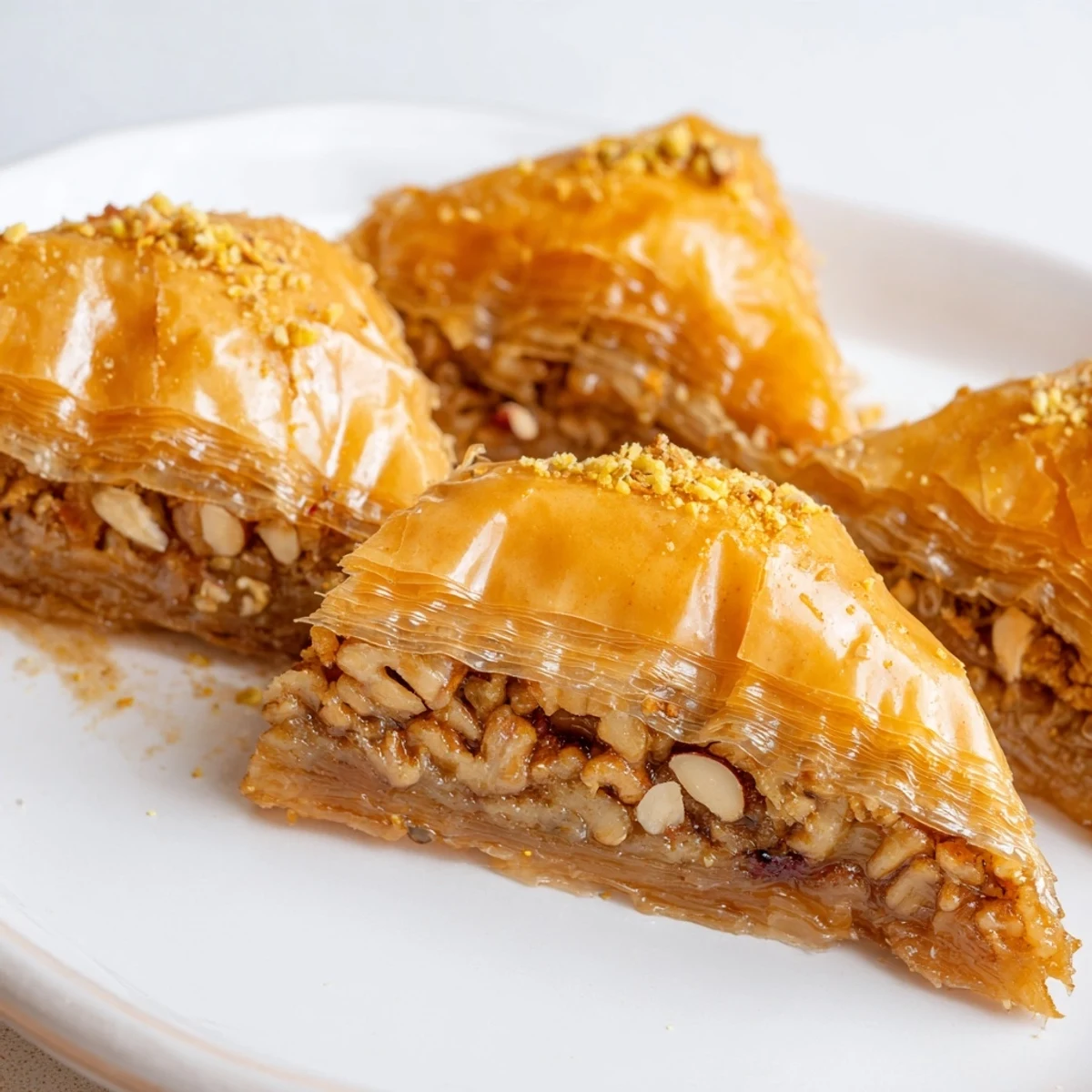
Baklava needs to rest at room temperature for several hours before serving to let the syrup fully absorb. I always serve it with tiny cups of strong Turkish coffee and watch people's faces light up when that first crisp bite shatters.
Storage Secrets
This actually tastes better on day two, once all the flavors have had time to meld together properly. Store it uncovered at room temperature, because the refrigerator will make those precious phyllo layers lose their signature crunch.
- Air tight containers trap moisture and will ruin your crisp texture
- Bring it to room temperature before serving if you must refrigerate it
- Freeze unbaked portions wrapped tightly for up to three months
 Pin to Pinterest
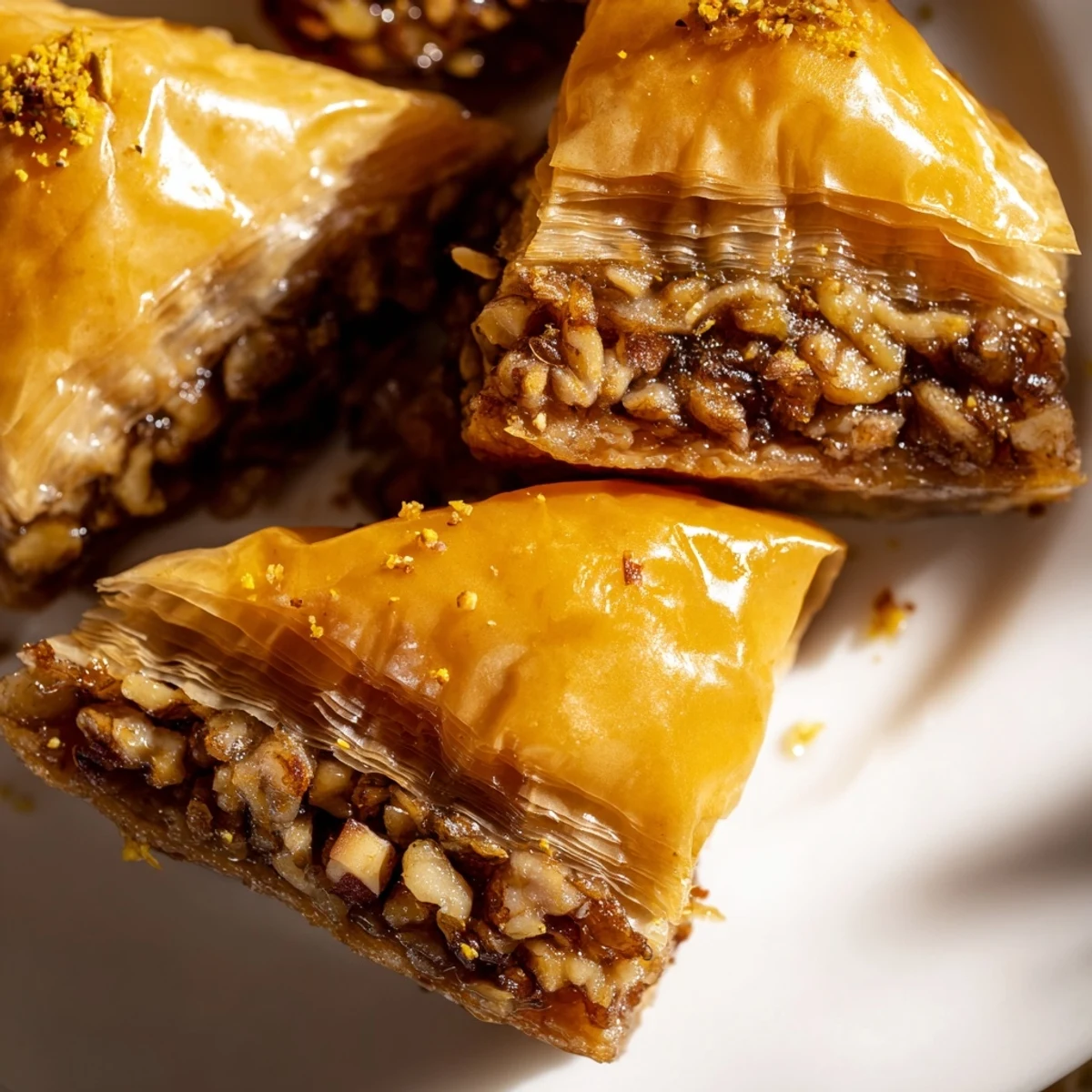
 There is something deeply satisfying about serving a dessert that looks so impressive but comes together with such simple ingredients. Every time I pull that golden tray from the oven, I am transported back to my grandmother's kitchen, where patience and butter solved almost everything.
Recipe FAQs
- → How do I prevent phyllo from drying out?
-
Keep unused phyllo sheets covered with a slightly damp kitchen towel while working. This prevents them from becoming brittle and impossible to handle. Work quickly but carefully when layering.
- → Why must the syrup be cooled before pouring?
-
Pouring hot syrup over hot pastry makes the baklava soggy. Cool the syrup to warm temperature so the phyllo stays crisp while still absorbing enough sweetness for that perfect sticky texture.
- → Can I make this ahead of time?
-
Absolutely. Baklava actually improves after sitting for 24 hours as the flavors meld and syrup fully penetrates every layer. Store tightly covered at room temperature for up to a week.
- → What's the best way to cut baklava?
-
Cut before baking using a sharp knife with a sawing motion. Diamond shapes are traditional and elegant. Cutting through raw layers ensures clean edges without crushing the finished pastry.
- → Can I substitute the nuts?
-
Feel free to use hazelnuts, pecans, or cashews instead of or alongside the traditional combination. Just maintain the total quantity and chop them finely for even distribution between layers.