
 Pin to Pinterest
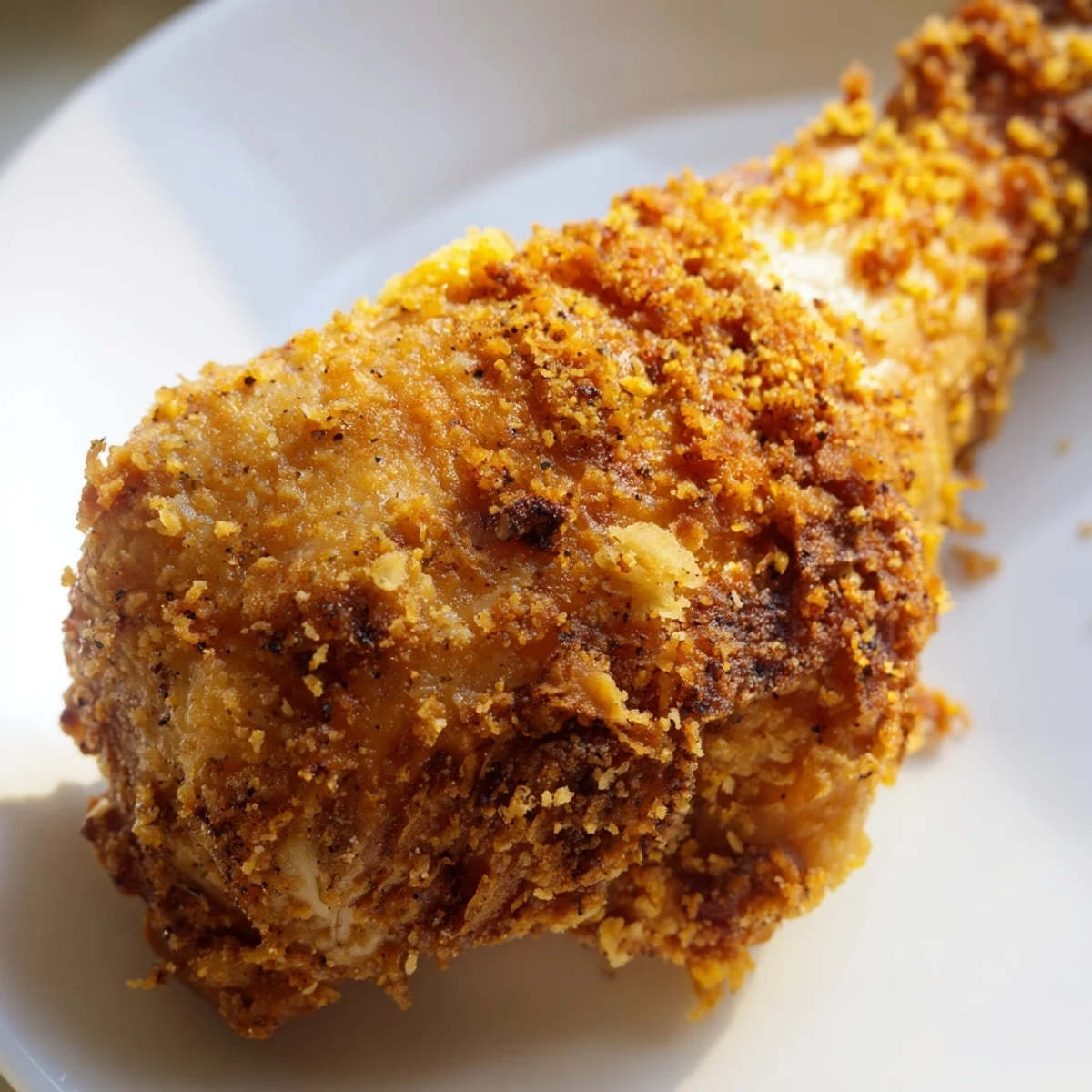
 Master the art of Southern-style fried chicken with this time-tested method. The secret lies in the buttermilk marinade, which tenderizes the meat while infusing it with subtle tanginess. After soaking for at least four hours, each piece gets thoroughly coated in a seasoned flour blend featuring paprika, garlic, and onion powders for deep flavor.
Frying at the right temperature ensures that signature crunch while keeping the meat moist and juicy. The result is perfectly cooked chicken with a golden, crispy exterior that delivers satisfying crunch in every bite. Serve alongside classic sides like mashed potatoes, coleslaw, or buttery biscuits for the complete Southern experience.
The smell of frying chicken hitting hot oil still takes me back to my grandmother's porch in Georgia. She taught me that patience is the secret ingredient you cannot buy at any store. I have tried countless shortcuts over the years but nothing beats the classic method she swore by. Her kitchen always seemed to have a plate ready just as we walked through the door.
Last summer I made this for my neighbors who had never had authentic Southern fried chicken before. Watching their eyes light up after that first crispy bite reminded me why certain recipes become legends. They sat on my back porch eating piece after piece while the sun went down. Now they ask me to make it every time we have a get together.
Ingredients
- Whole chicken cut into pieces: Cutting your own chicken saves money and lets you choose exactly the pieces you prefer
- Buttermilk: This is not optional folks the tang and tenderizing power is essential to the whole operation
- Hot sauce: Even a tiny kick in the marinade makes every layer more interesting
- All purpose flour: Do not use bread flour or cake flour plain all purpose gives the best crunch
- Paprika garlic powder onion powder: This trio builds that classic savory base everyone recognizes
- Cayenne pepper: Start small because heat levels vary wildly between brands
- Vegetable or peanut oil: Peanut oil handles high heat beautifully but vegetable works perfectly fine
Instructions
- Marinate the chicken:
- Whisk the buttermilk hot sauce salt and pepper in a large bowl then add chicken pieces turning to coat. Cover and let sit in the refrigerator for at least 4 hours though overnight is even better for that deep tenderness.
- Prepare the coating station:
- Mix flour paprika garlic powder onion powder cayenne salt and pepper in a shallow dish until everything is evenly distributed.
- Dredge the chicken:
- Lift each piece from the marinade letting excess drip off then press firmly into the flour mixture. Set on a wire rack so the coating sets properly before frying.
- Heat the oil:
- Get your oil to 350 degrees F using a thermometer to be sure. This temperature matters too low and the chicken gets greasy too high and it burns before cooking through.
- Fry in batches:
- Carefully lower chicken into the hot oil cooking 8 to 12 minutes per side until golden and reaching an internal temperature of 165 degrees F.
- Rest before serving:
- Let the chicken drain on a wire rack for at least 5 minutes so the coating stays crisp instead of getting soggy.
 Pin to Pinterest
 My sister once tried to rush this recipe and skipped the overnight marinade. She called me halfway through dinner complaining that something was missing. The next time she visited I made it the proper way and she finally understood what all the fuss was about. Now she texts me pictures every time she attempts it herself.
Getting That Perfect Crisp
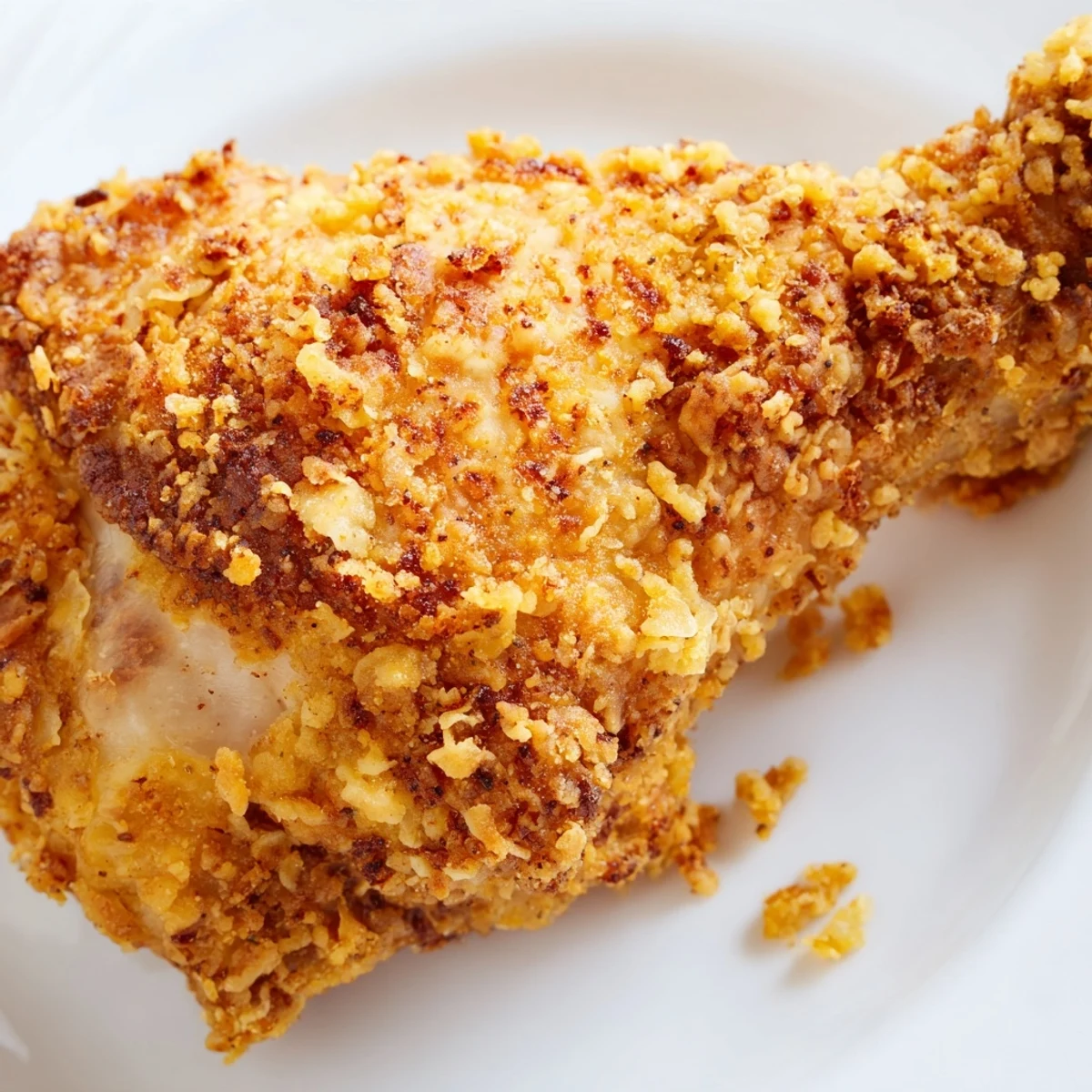
Double coating creates that restaurant style crunch that shatters when you bite. After the first flour dip briefly return the chicken to the buttermilk then coat again. The second layer of flour fries up incredibly crisp and seems to lock in the moisture better too. It takes more time but the texture difference is undeniable.
Managing The Heat
Keep a close eye on your oil temperature throughout the frying process. Every piece of cold chicken you add will drop the heat so adjust the flame accordingly. I use a digital thermometer clipped to the side of the pan because guessing leads to inconsistent results. The perfect fry happens when the oil immediately bubbles up around the chicken but never goes crazy.
Serving It Right
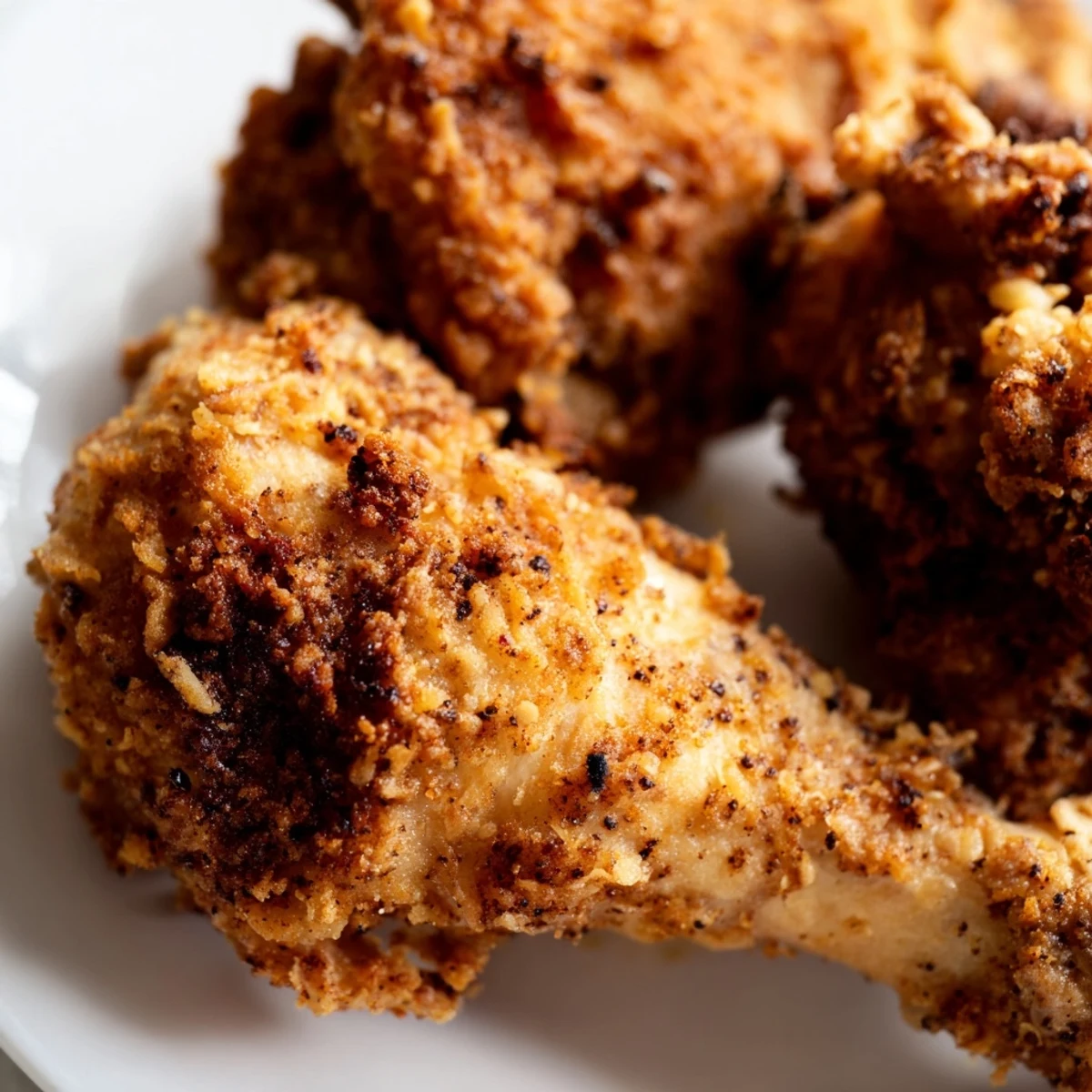
Southern fried chicken deserves to be the star of the show so serve it while it is still hot and audibly crispy. Classic sides like creamy coleslaw fluffy mashed potatoes or warm biscuits balance the richness perfectly.
- Let leftovers cool completely before storing to prevent sogginess
- A 375 degree F oven for 10 minutes brings back most of the crisp
- Never microwave fried chicken unless you want disappointment
 Pin to Pinterest
 There is something deeply satisfying about serving a platter of perfectly fried chicken to people you love. Those first moments around the table when everyone reaches for a piece create the kind of memories that last forever.
Recipe FAQs
- → How long should I marinate the chicken?
-
Marinate the chicken in buttermilk for at least 4 hours, though overnight marinating yields the most tender and flavorful results. The longer soak allows the buttermilk to fully penetrate and tenderize the meat.
- → What oil works best for frying?
-
Vegetable oil or peanut oil both work excellently. Peanut oil has a higher smoke point and adds a subtle nutty flavor, while vegetable oil is more neutral and readily available.
- → How can I tell when the chicken is done?
-
The chicken should reach an internal temperature of 165°F (74°C) when measured with a meat thermometer. Visually, the coating should be deep golden brown and the juices should run clear when pierced.
- → What makes the coating extra crispy?
-
For maximum crunch, try the double-dip method: coat in flour, dip briefly in buttermilk again, then coat in flour a second time. Also, letting the coated pieces rest on a wire rack before frying helps the coating adhere better.
- → Can I adjust the spice level?
-
Absolutely. Reduce the cayenne pepper for milder flavor, or increase it along with extra hot sauce in the marinade for a spicier kick. The seasoning blend is easily customizable to your taste preferences.