
 Pin to Pinterest
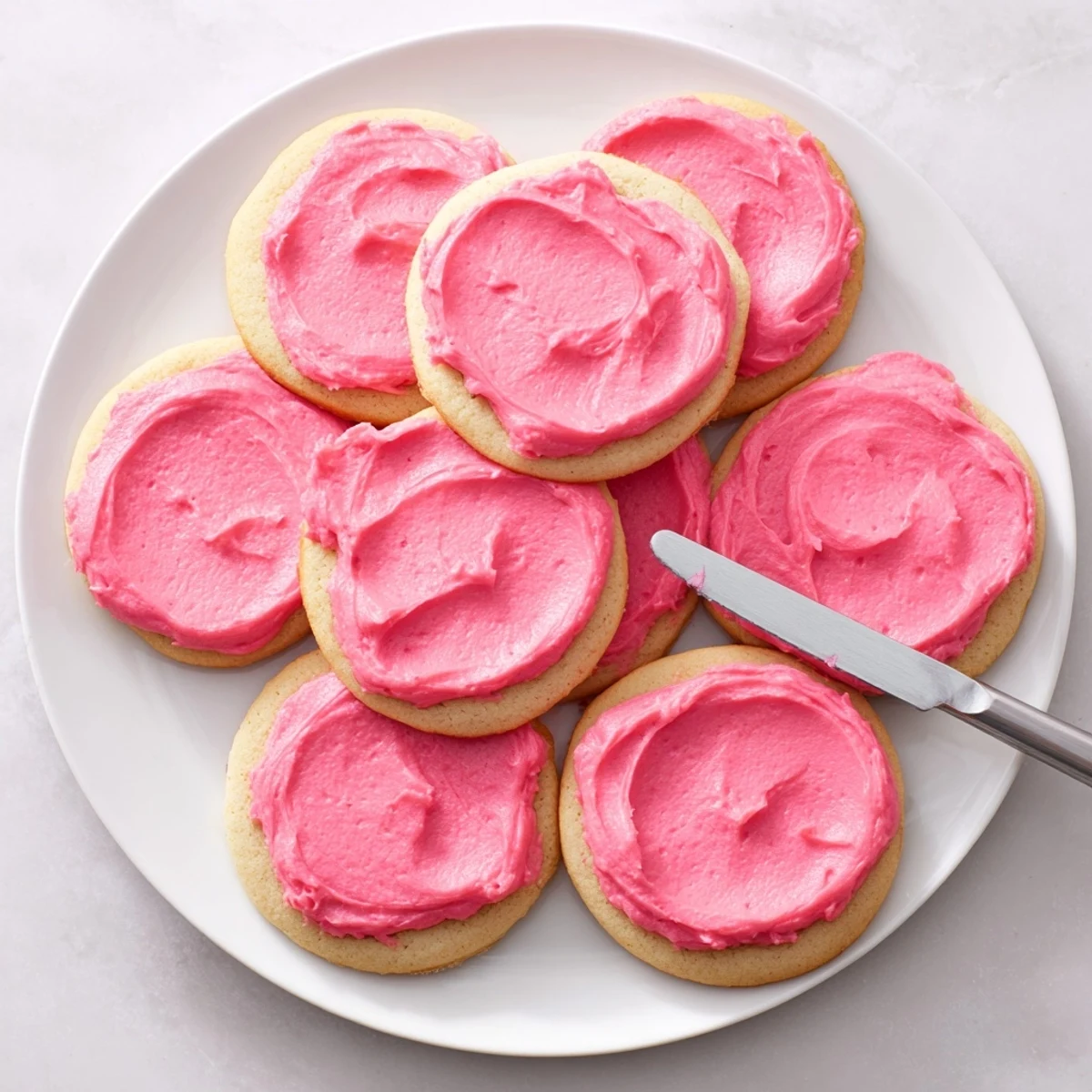
 These soft, buttery sugar cookies capture everything loved about the famous bakery version. The dough comes together quickly with creamed butter and sugar, then bakes into thick, chewy rounds with just-set edges. What makes them special is the signature pink frosting—a creamy blend of butter, powdered sugar, and almond extract that delivers that unmistakable sweet, nutty flavor. The key is pulling them from the oven when centers look slightly underbaked, ensuring the perfect tender texture. Once cooled completely, a generous swirl of vibrant pink frosting transforms each cookie into an irresistible treat that stays fresh for days.
My sister sent me a photo of those famous pink sugar cookies from Crumbl last spring, captioned 'we need these in our life immediately.' I'd never actually tried them, but something about that buttercream pink against the golden cookie base made me pause mid-scroll and reach for my mixer. Four attempts later, my kitchen smelled like toasted almond and sugar, and I finally understood what all the fuss was about.
I brought a batch to my book club last month, and suddenly everyone forgot we were supposed to be discussing the novel. One friend actually grabbed three cookies before sitting down, then messaged me the next day asking if I'd stashed any extras. There's something about that familiar pink frosting that turns ordinary afternoons into tiny celebrations.
Ingredients
- Unsalted butter: Room temperature butter creates the perfect creamed texture with sugar, so dont rush this step or your cookies wont spread properly
- Granulated sugar: Cream this thoroughly with the butter until it looks pale and fluffy, about 2 to 3 minutes of serious mixing
- Large egg: Bring this to room temperature too so it incorporates seamlessly into the butter mixture
- Pure vanilla extract: Use the real stuff here, not imitation, because you can taste the difference in simple cookies
- Almond extract: Just a half teaspoon gives these cookies their signature flavor without overwhelming the vanilla
- All purpose flour: Measure this carefully by spooning into your measuring cup and leveling off, or weigh it for precision
- Baking powder: This gives the cookies just enough lift to stay pillowy without spreading too thin
- Salt: Essential for balancing all that sugar and enhancing the butter flavor
- Unsalted butter for frosting: This creates that silky smooth frosting base, so beat it until its seriously creamy before adding anything else
- Powdered sugar: Sifting this first prevents lumps in your frosting, though honestly I've skipped it in a pinch
- Milk or heavy cream: Start with one tablespoon and add more only if your frosting feels too stiff to spread
- Pink gel food coloring: Gel coloring gives you that vibrant bakery pink without thinning the frosting like liquid dye does
Instructions
- Preheat your oven:
- Set it to 350°F and line two baking sheets with parchment paper so nothing sticks and cleanup is effortless
- Cream the butter and sugar:
- Beat them together until the mixture looks pale and fluffy, which takes about 2 to 3 minutes of serious mixing
- Add the egg and extracts:
- Mix in the egg, vanilla, and almond extract until everything's completely combined and smooth
- Whisk the dry ingredients:
- In a separate bowl, combine flour, baking powder, and salt so they're evenly distributed
- Combine the mixtures:
- Gradually add the dry ingredients to the wet, mixing just until you don't see flour anymore, because overmixing makes tough cookies
- Shape the cookies:
- Scoop about 2 tablespoons of dough per cookie, roll into balls, and space them on the prepared baking sheets
- Flatten slightly:
- Gently press each dough ball with your palm or the bottom of a glass to create thick disks
- Bake:
- Put them in for 10 to 12 minutes until edges are set but centers still look slightly underdone
- Cool completely:
- Let them rest on the baking sheet for 5 minutes before moving them to a wire rack, because they need to be fully cool before frosting
- Make the frosting:
- Beat butter until creamy, gradually add powdered sugar, then mix in extracts, salt, and milk until fluffy
- Add the pink:
- Mix in gel food coloring a few drops at a time until you reach that perfect bakery shade
- Frost the cookies:
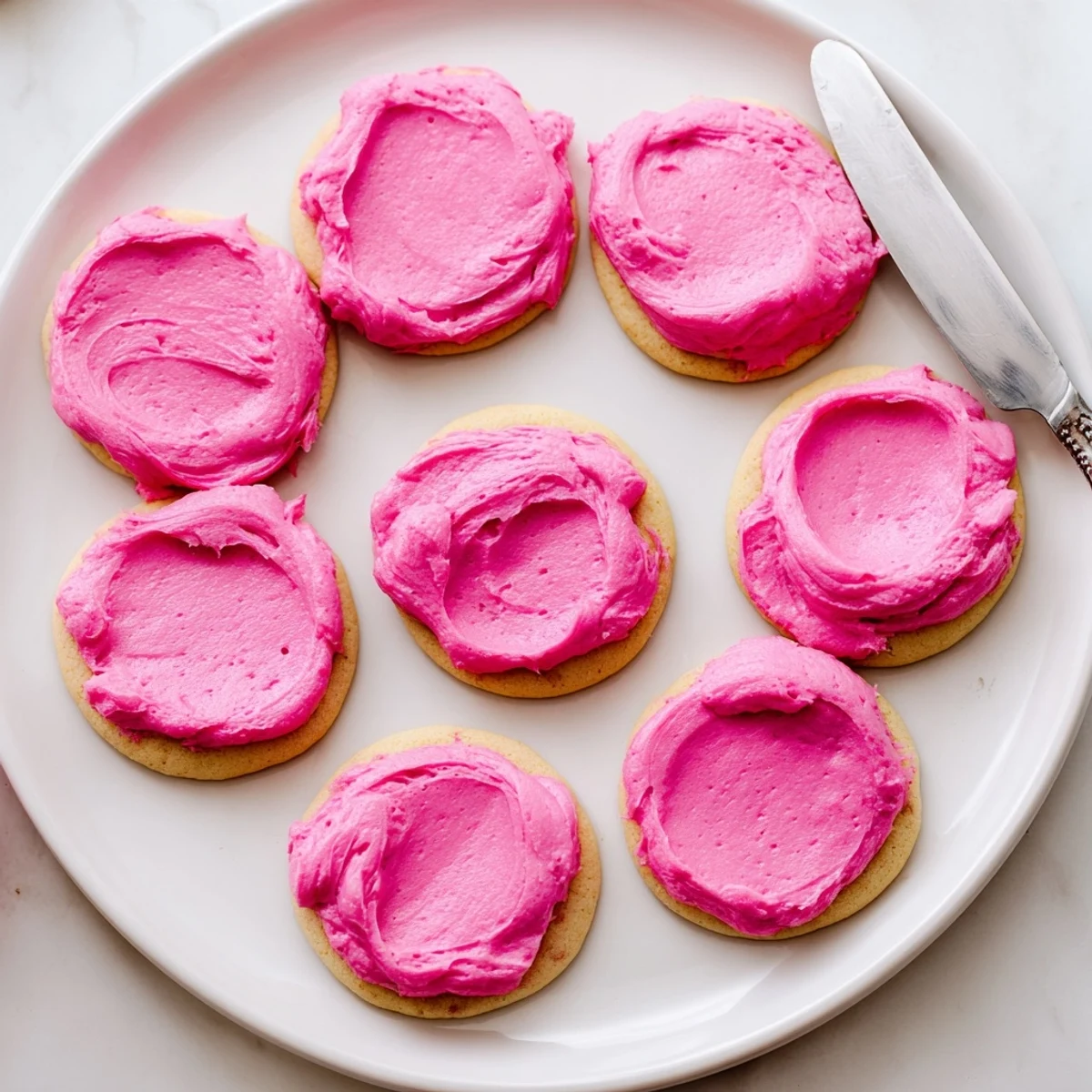
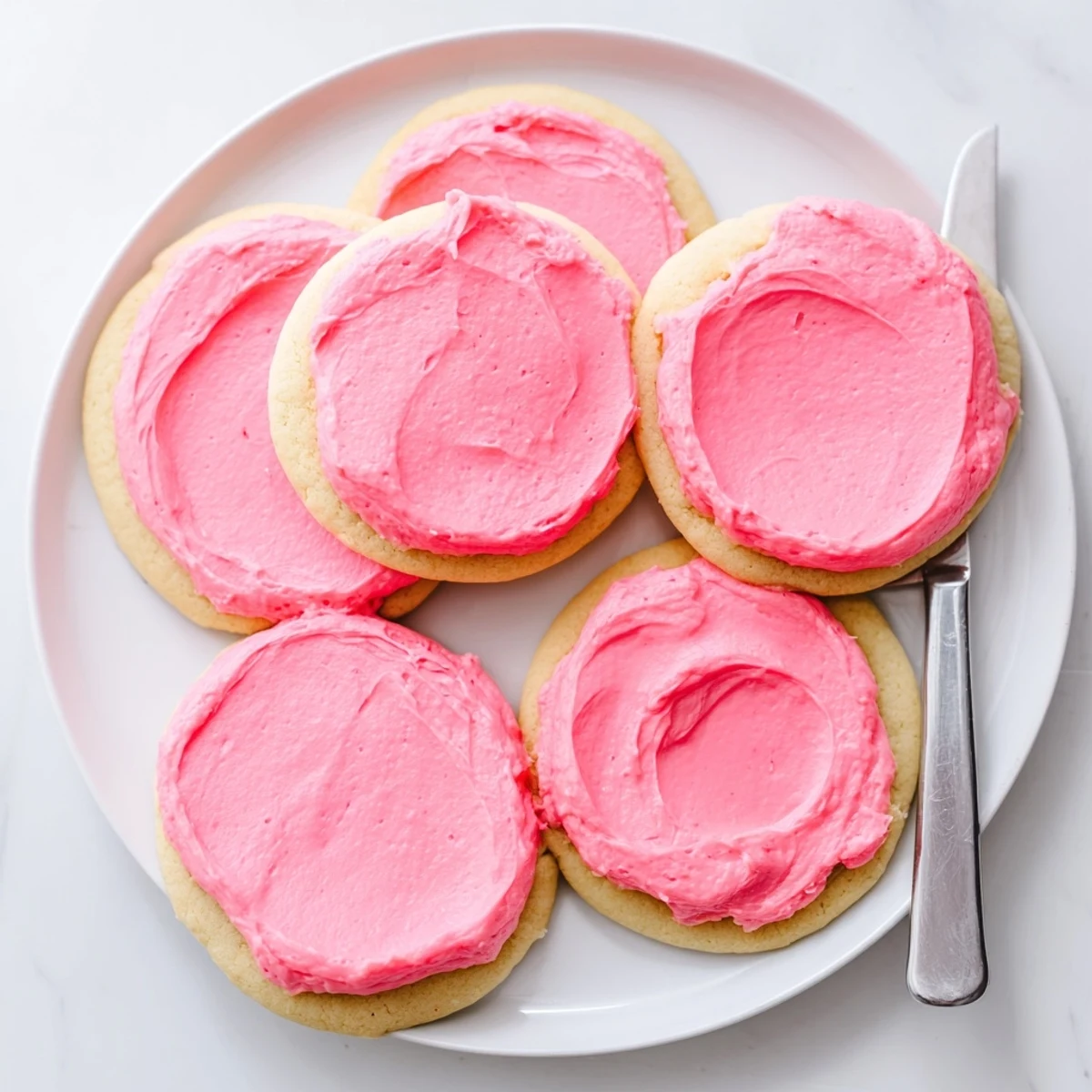
- Once completely cooled, generously frost each cookie and let the frosting set before serving
 Pin to Pinterest
 My niece helped me frost the last batch, and her technique was equal parts chaotic and charming. We ended up with pink fingerprints on the cabinet and three cookies with suspiciously thick frosting layers, but honestly those were the best ones. Sometimes the imperfect batches become the memories that stick.
Getting That Perfect Pink
I learned the hard way that liquid food coloring turns buttercream into a weird consistency that never quite sets right. Gel coloring is worth the small investment, and a little goes a long way, so start with a tiny amount on a toothpick. You can always add more, but you can't take it back once your frosting looks like bubblegum exploded in the bowl.
Storage Secrets
These actually taste better on day two, which feels like magic but makes sense because the flavors have time to meld. Store them in an airtight container with parchment paper between layers so they don't stick together. I've frozen unfrosted cookies for up to a month and frosted them after thawing, and nobody could tell the difference.
Making Them Your Own
Sometimes I switch up the extract combinations, like doing half vanilla and half coconut for a beachy vibe. You could also tint the frosting any color for different occasions, though my family insists pink is superior. Get creative with sprinkles on top while the frosting's still wet.
- Add a tiny pinch of sea salt on top of the frosting for salted caramel vibes
- Try strawberry milk powder in the frosting for a fruity twist
- These freeze beautifully unfrosted if you want to prep ahead
 Pin to Pinterest
 There's something about a homemade version of a bakery favorite that hits different, maybe because you know exactly what went into it. Hope these pink beauties make your kitchen feel a little sweeter.
Recipe FAQs
- → What makes these different from regular sugar cookies?
-
The combination of almond extract in both the dough and frosting creates that distinct bakery flavor. The texture is also thicker and softer than traditional cutout sugar cookies, more like a bakery-style treat.
- → Can I use liquid food coloring instead of gel?
-
Gel coloring works best because it won't thin out the frosting consistency. Liquid food coloring can be used, but you may need to add extra powdered sugar to maintain the right texture for spreading.
- → Why do my cookies turn out hard?
-
Overbaking is the most common cause. Remove them from the oven when edges look set but centers still appear slightly underdone—they'll continue cooking on the hot baking sheet. Overmixing the dough can also create a tougher texture.
- → Can I make the dough ahead of time?
-
Yes, scoop the dough into balls and refrigerate for up to 24 hours before baking. You can also freeze the dough balls for up to 3 months—just let them thaw slightly before baking.
- → How should I store these cookies?
-
Keep them in an airtight container at room temperature for up to 4 days. Place parchment paper between layers if stacking to protect the frosting. For longer storage, freeze unfrosted cookies and frost after thawing.
- → Can I substitute the almond extract?
-
Almond extract provides the signature flavor, but if you have a nut allergy or prefer vanilla, simply replace the almond extract with an equal amount of vanilla extract for a classic sugar cookie taste.