
 Pin to Pinterest
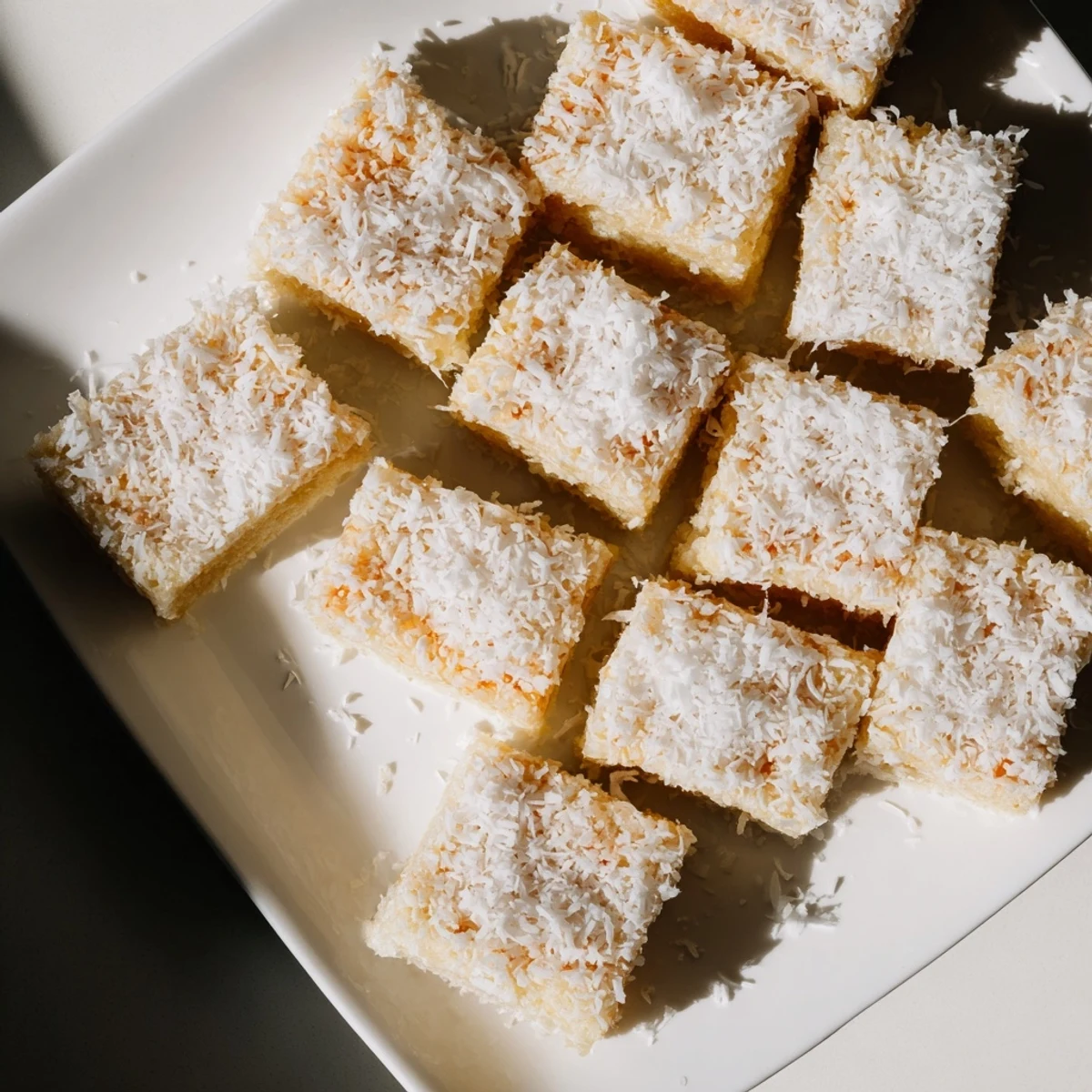
 This delightful coconut mochi cake brings together the beloved chewy texture of traditional Japanese mochi with tropical coconut flavors. Made with sweet rice flour (mochiko) and creamy coconut milk, this gluten-free dessert offers a uniquely satisfying mouthwalk that's both tender and springy.
The preparation comes together quickly—just whisk the dry ingredients, combine with the wet mixture, and bake until golden. The shredded coconut topping adds delightful texture and intensifies the coconut essence throughout.
Perfect for gatherings or quiet afternoons with tea, this Hawaiian-inspired treat stays fresh for days and can be easily customized with red bean paste or served alongside fresh fruit and vanilla ice cream.
My auntie brought this back from a trip to Oahu, and honestly, I ate half the pan before anyone else even knew it existed. The texture is somewhere between cake and mochi, this incredible bounce that makes every bite feel playful. Now whenever the coconut craving hits, my whole family knows exactly what's coming.
Last summer my neighbor caught the coconut aroma wafting through our shared wall and showed up at my door with an empty Tupperware container. She pretended she wanted to borrow sugar, but we both knew the truth. Now we take turns making it, and neither of us has bought sugar in months.
Ingredients
- Sweet Rice Flour (Mochiko): This glutinous rice flour creates that signature chewy texture that makes mochi so irresistible, and regular flour just cannot replicate it
- Granulated Sugar: Sweetens the cake just enough to let the coconut shine without turning it into a dessert that's overly sugary
- Baking Powder: Gives the cake a gentle lift while maintaining that dense, satisfying mochi-like consistency
- Fine Salt: A pinch enhances the coconut flavor and keeps the sweetness from becoming cloying
- Coconut Milk: Full-fat coconut milk creates the richest flavor and creamiest texture, so shake that can well before measuring
- Whole Milk: Balances the coconut milk and adds a subtle creaminess, though any milk alternative works beautifully here
- Eggs: Provide structure while keeping the texture tender and helping the cake achieve that perfect golden top
- Unsalted Butter: Melted and cooled adds richness and helps create a moist crumb that stays fresh for days
- Pure Vanilla Extract: Rounds out the coconut flavor and adds a warm, comforting note to the background
- Unsweetened Shredded Coconut: Sprinkled on top, it toasts up golden in the oven and adds the most delightful crunch to every bite
Instructions
- Prep Your Pan:
- Preheat your oven to 350°F and grease a 9x13-inch baking pan before lining it with parchment paper, because nothing ruins the celebration faster than cake stuck to the bottom
- Whisk the Dry Ingredients:
- In a large mixing bowl, combine the sweet rice flour, sugar, baking powder, and salt until everything is evenly distributed
- Mix the Wet Ingredients:
- Whisk together the coconut milk, whole milk, eggs, melted butter, and vanilla extract in a separate bowl until completely smooth
- Combine the Batters:
- Pour the wet ingredients into the dry and stir gently with a spatula until just combined and smooth, being careful not to overmix
- Pour and Tap:
- Pour the batter into your prepared pan and give it a few gentle taps on the counter to release any trapped air bubbles
- Add the Topping:
- Sprinkle the shredded coconut evenly across the top, pressing it lightly so it adheres to the batter
- Bake to Golden:
- Bake for 55 to 60 minutes until the edges are golden brown and a toothpick inserted in the center comes out mostly clean
- Cool Completely:
- Let the cake cool completely in the pan on a wire rack before slicing, because the texture needs time to set properly
 Pin to Pinterest
 My niece called me from college last week asking for this recipe, claiming the dining hall coconut cake just wasn't hitting the same. I mailed her a care package with mochiko flour and detailed notes, but honestly, I think she just wanted an excuse to call home. Some recipes are really just love in disguise.
Making It Dairy-Free
Substitute the whole milk with more coconut milk and swap the melted butter for coconut oil. The texture remains just as lush and chewy, and honestly, the extra coconut flavor is something to celebrate.
Storage Secrets
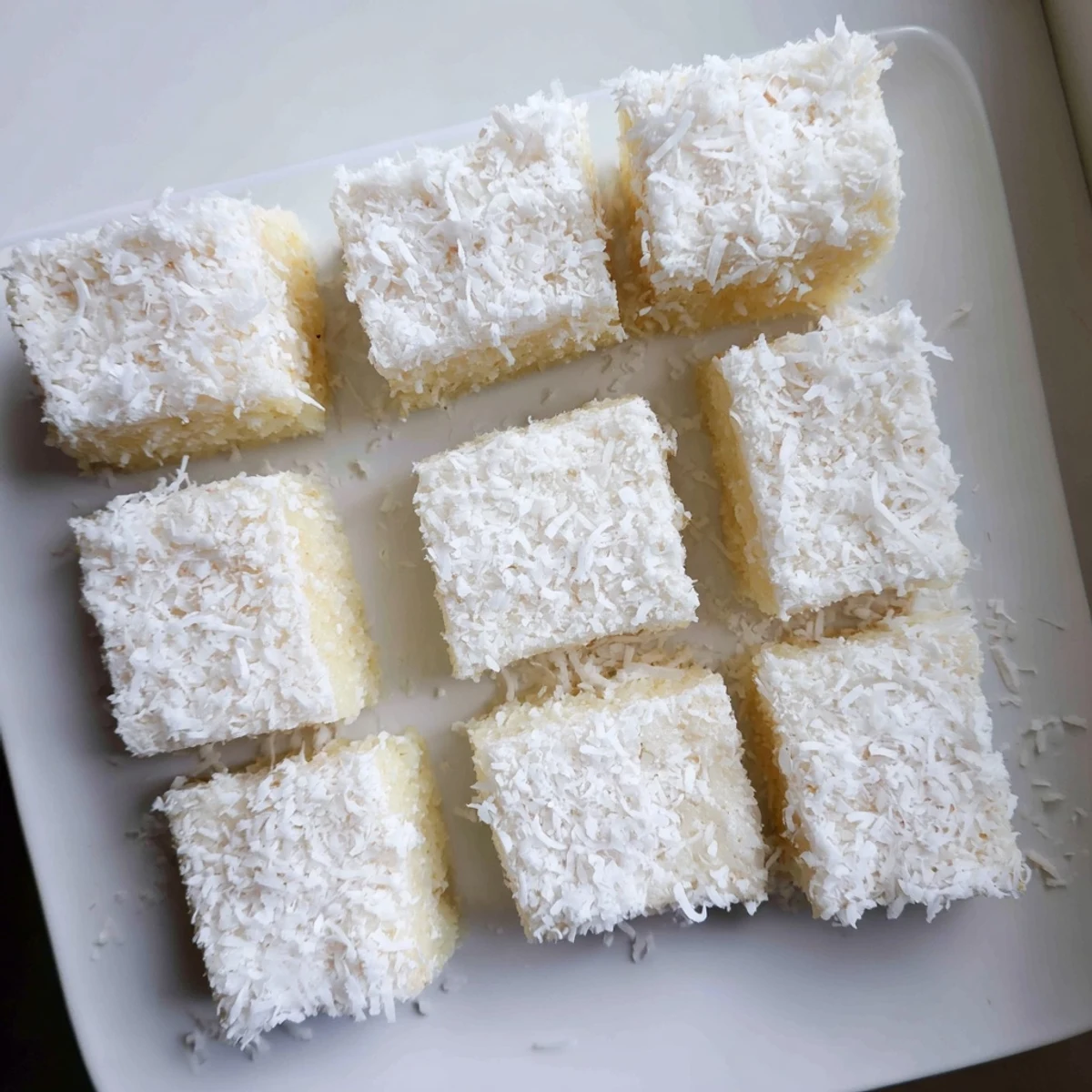
This cake actually improves after a day, as the flavors meld together and the texture becomes even more satisfying. Keep it at room temperature for up to two days, or refrigerate for up to five if your household can somehow resist eating it all immediately.
Serving Ideas
Serve squares with fresh mango slices or a scoop of vanilla ice cream for contrast. The cold cream against the chewy warm cake is something I discovered by accident during a potluck emergency, and now I plan for it intentionally.
- Try swirling red bean paste through the batter for a Hawaiian inspired twist that looks stunning
- Lightly toast extra shredded coconut for garnish if you want to impress guests
- A drizzle of chocolate sauce turns this into an entirely different dessert experience
 Pin to Pinterest
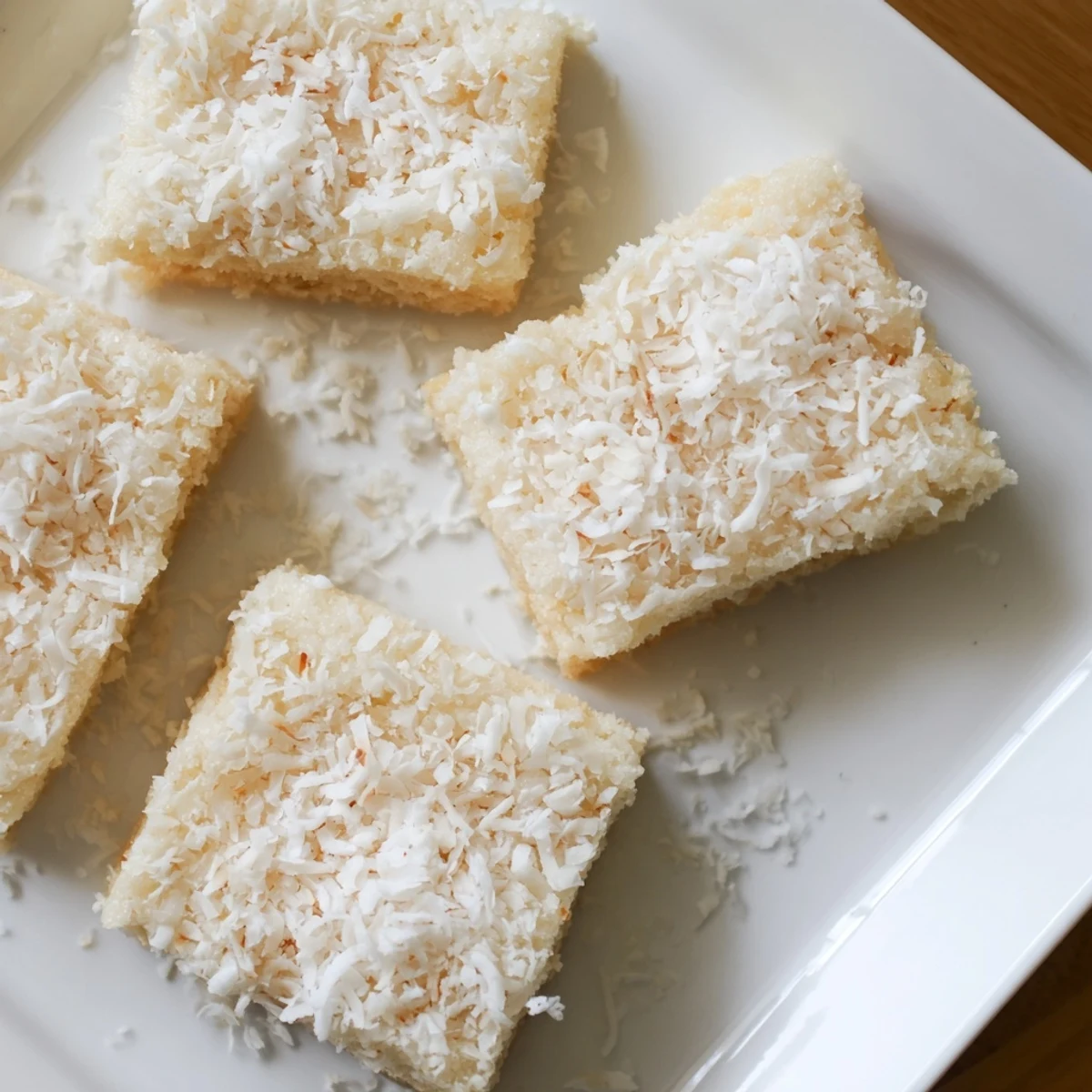
 Every time I pull this golden beauty from the oven, that coconut scent fills the entire house and everyone suddenly appears in the kitchen. It is the kind of recipe that turns ordinary afternoons into something worth celebrating.
Recipe FAQs
- → What gives coconut mochi cake its chewy texture?
-
The chewy texture comes from sweet rice flour (mochiko), which creates that signature mochi-like bounce and tenderness when baked. Unlike wheat flour, mochiko produces a delightfully springy crumb that's both soft and satisfyingly chewy.
- → Can I make this dessert dairy-free?
-
Absolutely. Simply replace the whole milk with additional coconut milk and swap the melted butter for coconut oil. These substitutions actually enhance the coconut flavor while keeping the texture perfectly intact.
- → How should I store leftovers?
-
Keep your cake in an airtight container at room temperature for up to 2 days. For longer storage, refrigerate for up to 5 days. The chewy texture remains excellent—just bring to room temperature before serving for the best experience.
- → What's the best way to tell when it's done baking?
-
Look for golden-brown edges and a set center. A toothpick inserted in the middle should come out mostly clean—moist crumbs are fine, but wet batter means it needs more time. The top should feel firm yet springy to the touch.
- → Can I add mix-ins to the batter?
-
Yes. Swirl in sweetened red bean paste for a Hawaiian twist, or fold in toasted coconut flakes for extra texture. You could also add macadamia nuts or chocolate chips, though keep additions minimal to maintain that classic chewy mochi consistency.
- → Is sweet rice flour the same as regular rice flour?
-
No. Sweet rice flour (mochiko) is made from glutinous short-grain rice and creates that signature chewy texture. Regular rice flour will result in a grainy, crumbly cake. Look specifically for mochiko flour or glutinous rice flour at Asian markets or well-stocked grocery stores.