 Pin to Pinterest
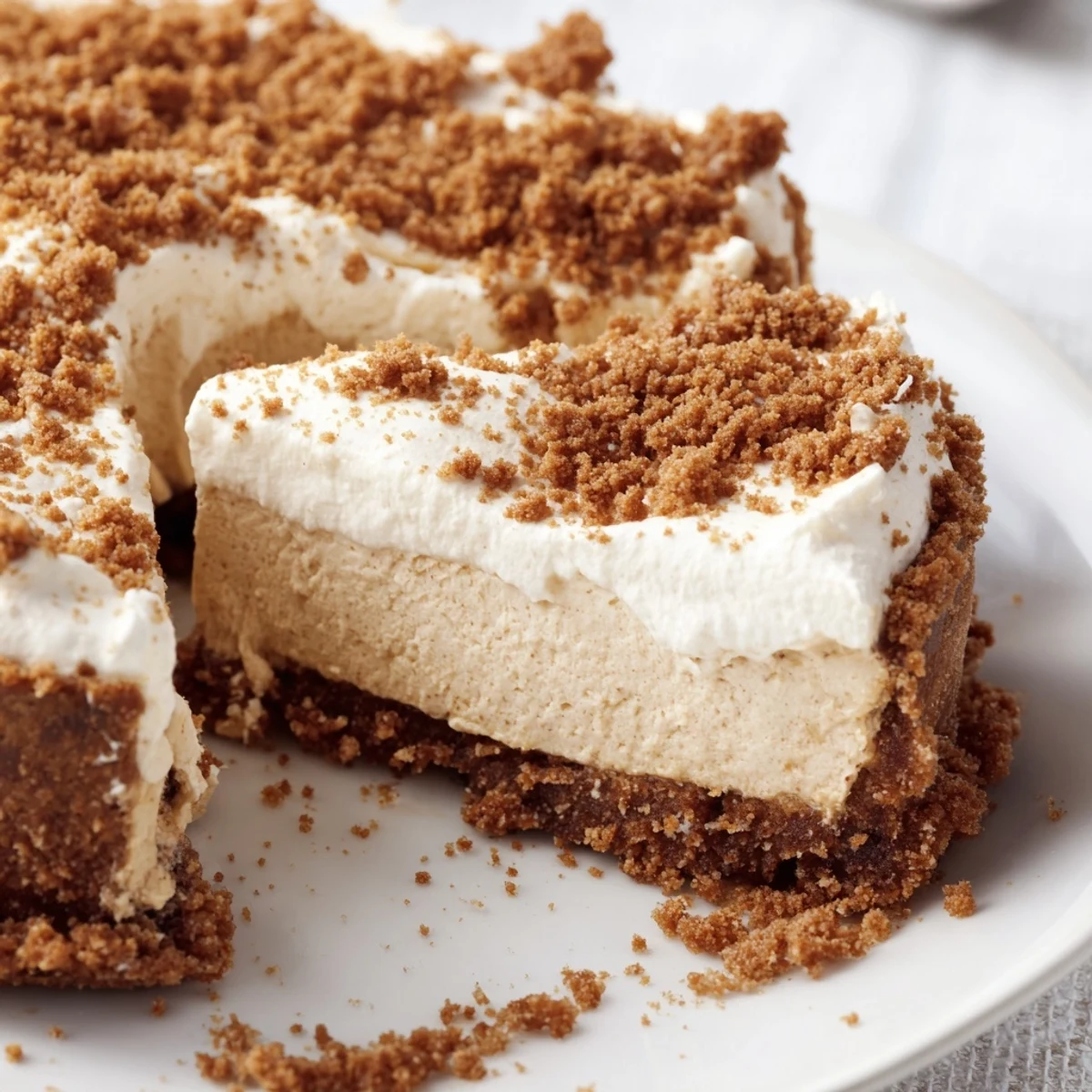
 This festive cheesecake combines a crunchy gingernut biscuit base with a creamy, spiced gingerbread filling. The filling blends cream cheese, brown sugar, spices like ginger and cinnamon, and dark molasses for rich flavor. After baking gently to maintain a slight wobble, it chills for hours to set perfectly. Optional whipped cream and mini gingernut cookies add a final touch. Ideal as a holiday centerpiece dessert with warm spice notes and smooth texture.
The first time I made this gingerbread cheesecake, my kitchen smelled like a holiday market had exploded in the best way possible—butter, molasses, and warming spices filling every corner. I'd been craving something that tasted like winter itself, something that bridged the gap between the spiced cookies my grandmother loved and the creamy richness of a proper cheesecake. One December afternoon, with a box of gingernut biscuits on the counter and an idea forming, I realized I could have both.
I served this at a small dinner party in January, and I remember my friend Sarah closing her eyes after the first bite—not in a dramatic way, just in that quiet moment when food makes you pause. She asked for the recipe immediately, and when I told her the secret was the molasses and the slow cooling in the oven, she nodded like I'd just shared something precious. It became the dessert I'd bring to winter gatherings after that.
Ingredients
- Gingernut biscuits (300 g): These are your foundation, and they matter more than you'd think—their spiced snap against creamy filling is the whole point.
- Unsalted butter, melted (100 g): Use real butter here; it binds the crumbs and adds a richness that margarine just won't give you.
- Full-fat cream cheese (600 g), at room temperature: Cold cream cheese will create lumps, so pull it from the fridge at least an hour before you start—trust me on this.
- Light brown sugar (150 g): It brings a subtle molasses note that plays beautifully with the spices.
- Large eggs (3): They're your structural backbone; bring them to room temperature too for a smoother batter.
- Sour cream (200 ml): This adds tang and keeps the filling from becoming too dense or rubbery.
- Plain flour (2 tbsp): A small amount stabilizes the filling without making it taste floury.
- Ground ginger (1 tsp), ground cinnamon (1 tsp), ground nutmeg (1/2 tsp), ground cloves (1/4 tsp): These four spices are the soul of the dish—buy them fresh if you can, as stale spices fade into background noise.
- Salt (1/4 tsp): Even in sweets, a pinch of salt makes everything taste more like itself.
- Dark molasses or treacle (2 tbsp): This is what makes it taste like gingerbread rather than just a spiced cheesecake; don't skip it.
- Vanilla extract (1 tsp): It softens the spice edges and adds a gentle sweetness.
- Double cream, whipped (200 ml) and mini gingernut cookies for garnish: Optional, but they turn a lovely dessert into something that looks like you spent all day on it.
Instructions
- Heat your oven and prep the tin:
- Preheat to 160°C (320°F) and line a 23 cm springform tin with parchment paper—this prevents the base from sticking and makes your life easier later. The lower temperature matters because cheesecakes are delicate; too much heat too fast and you'll get cracks.
- Crush and mix the base:
- If you have a food processor, pulse the gingernut biscuits until they're fine crumbs. If not, place them in a sealed bag and bash them with a rolling pin until they resemble wet sand, then mix with melted butter until it looks like damp soil. This is actually meditative work.
- Press and chill the base:
- Press the mixture firmly into the tin—get it flat and even because this will be your foundation. Slide it into the fridge while you make the filling; the cold helps it hold together.
- Cream the cheese and sugar:
- Beat the room-temperature cream cheese and brown sugar together until it's pale and fluffy, about 3 minutes. You're aerating it here, which prevents a dense filling.
- Add eggs one at a time:
- This matters more than it sounds—each egg should be fully incorporated before you add the next one. Mix until just combined after each addition; overmixing now can introduce too much air.
- Fold in the wet and dry:
- Add the sour cream, then sprinkle in the flour and all your spices, molasses, and vanilla. Fold gently until just combined—lumpy is better than overmixed here. You want the spices distributed but not beaten into submission.
- Pour and tap gently:
- Pour the filling over your chilled base and tap the tin a few times against the counter to release air bubbles. Too many bubbles and you'll get those annoying holes in your finished cheesecake.
- Bake with care:
- Bake for 55 to 65 minutes; the edges should be set and the center should have a slight wobble—that wobble means it's not dry. It will continue to set as it cools.
- Cool slowly in the oven:
- Turn off the oven and crack the door open about an inch, then leave the cheesecake there for a full hour. This gradual cooling prevents cracking because the filling isn't shocked by temperature change.
- Chill completely:
- Refrigerate for at least 4 hours, though overnight is better. You need this time for the flavors to deepen and the texture to set properly.
- Finish with whipped cream and gingers:
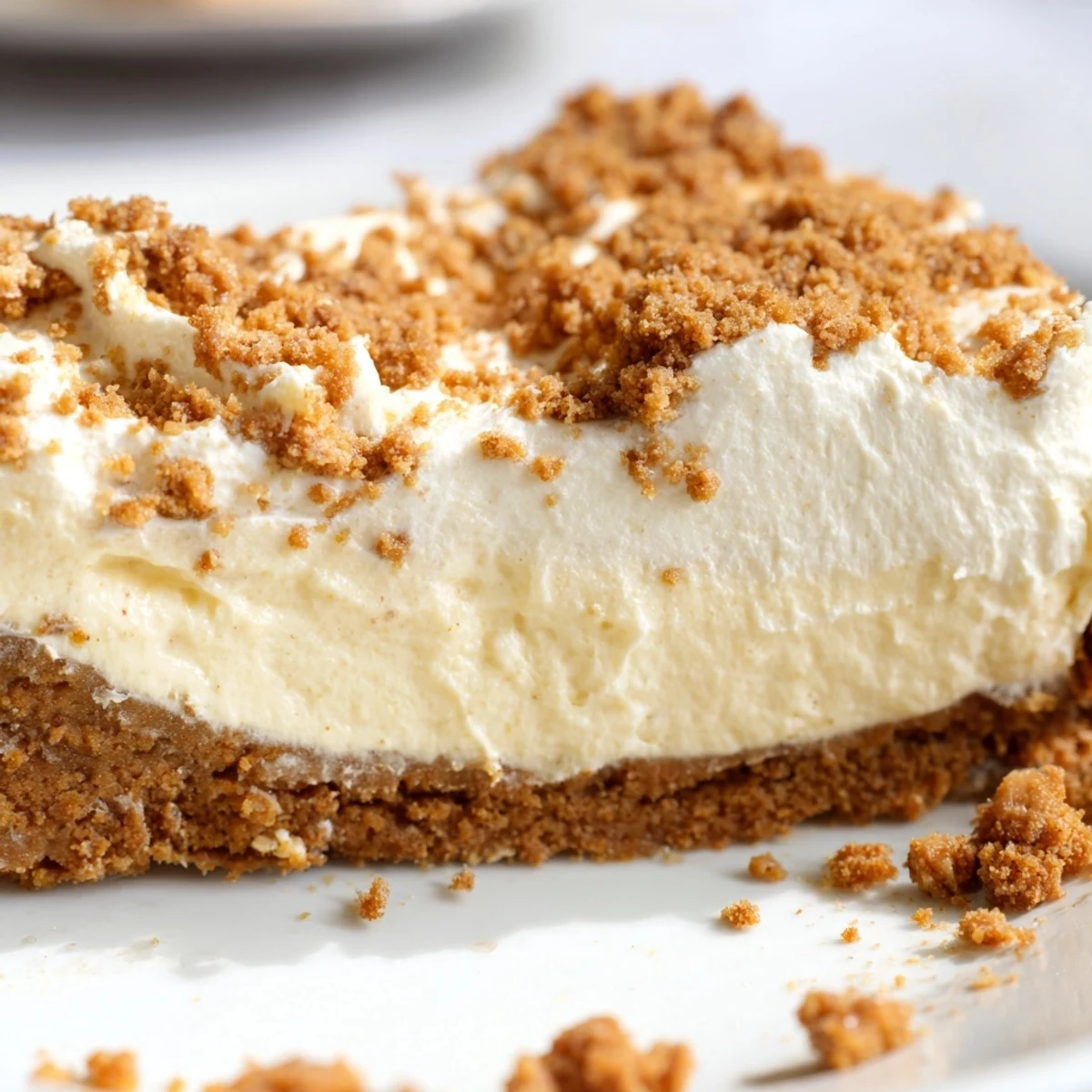
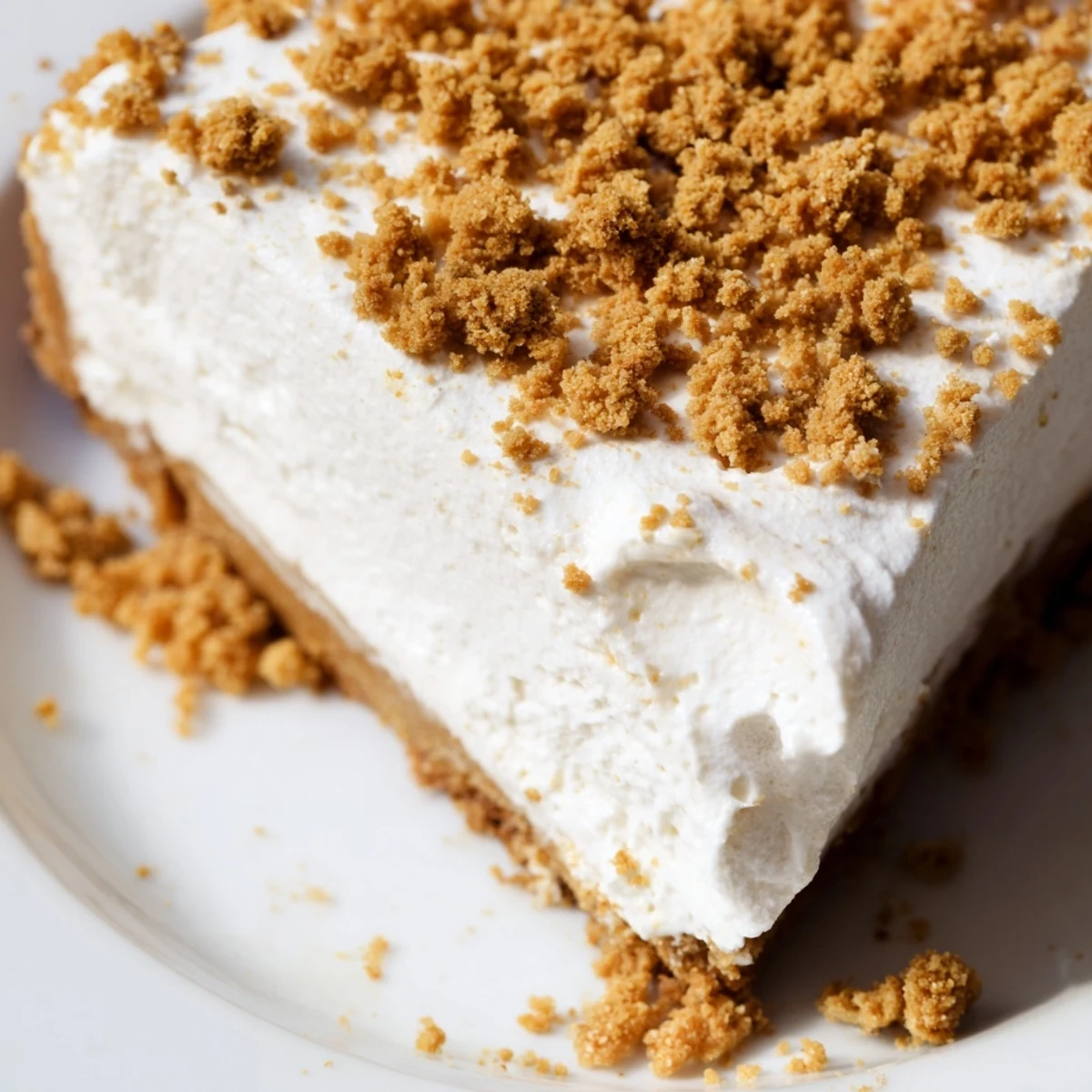
- Before serving, top with whipped cream and scatter mini gingernut cookies or crushed gingernuts over the top if you're using them. It looks fancy and tastes even better.
 Pin to Pinterest
 Years later, I still remember my partner bringing me a slice in bed on a cold morning, and how the spiced flavor seemed to warm me from the inside out. It's become our tradition now—this cheesecake appears every winter, and it never tastes like trying; it tastes like coming home.
Why the Spices Work Together
Ginger and cinnamon are obvious spice partners, but nutmeg and cloves are what elevate this from pleasant to unforgettable. Nutmeg adds a subtle sweetness and earthiness, while cloves bring a faint peppery warmth that lingers on your tongue. Together with the molasses, they create layers of flavor that keep revealing themselves as you eat. The whole combination tastes like it's been simmering in someone's kitchen for hours, even though your actual work is just half an hour of prep.
The Science of Cheesecake Texture
Cheesecake is one of those desserts where technique matters as much as ingredients. The sour cream keeps everything moist and adds tang that balances the sweetness, while the small amount of flour stabilizes the filling without creating that grainy texture you get from overmixing. The eggs bind everything together and create lift, which is why they need to be at room temperature and why you add them carefully. Understanding why each ingredient is there makes you a better baker because you know what happens if you skip steps or rush.
Make It Your Own
This recipe is a template, not a rule book. Some people add a pinch of white pepper for extra complexity, while others prefer a milder spice profile and swap molasses for golden syrup. I've seen it served with a caramel drizzle, with spiced chai poured alongside, and once memorably with a tiny scoop of gingerbread ice cream on the side. The gingernut base is non-negotiable, but everything else bends to your preferences.
- Try adding 1/4 teaspoon of white pepper or a tiny pinch of cayenne if you like a subtle heat beneath the spice.
- Make it a day or two ahead; flavors actually develop and deepen in the fridge, so it tastes even better as time passes.
- If your springform tin leaks, wrap the outside with foil before baking so water doesn't seep into the filling.
 Pin to Pinterest
 This cheesecake has become my winter signature, the thing people ask me to bring when the weather turns cold. It's fancy enough for a dinner party and comforting enough to eat alone by the window with a cup of tea.