
 Pin to Pinterest
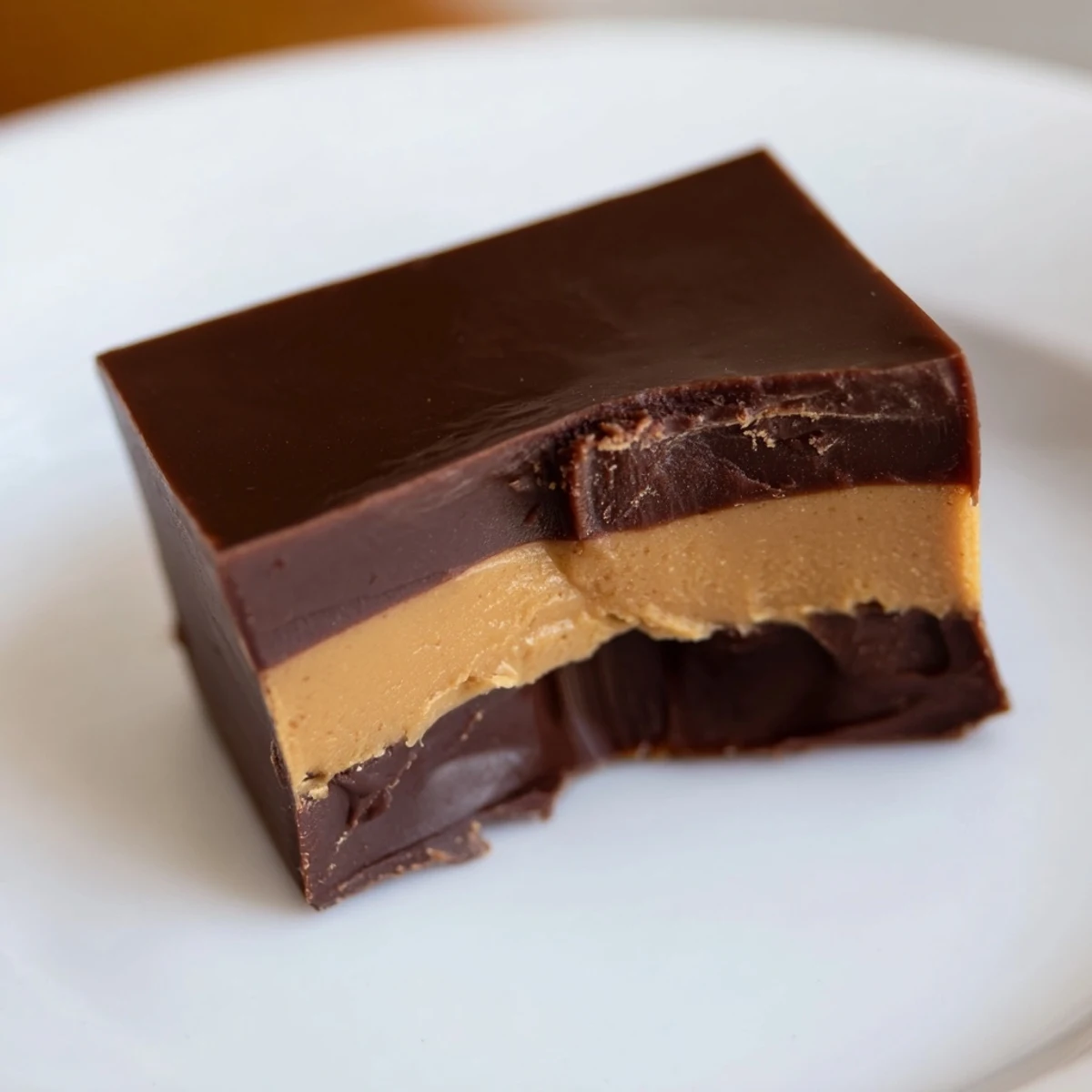
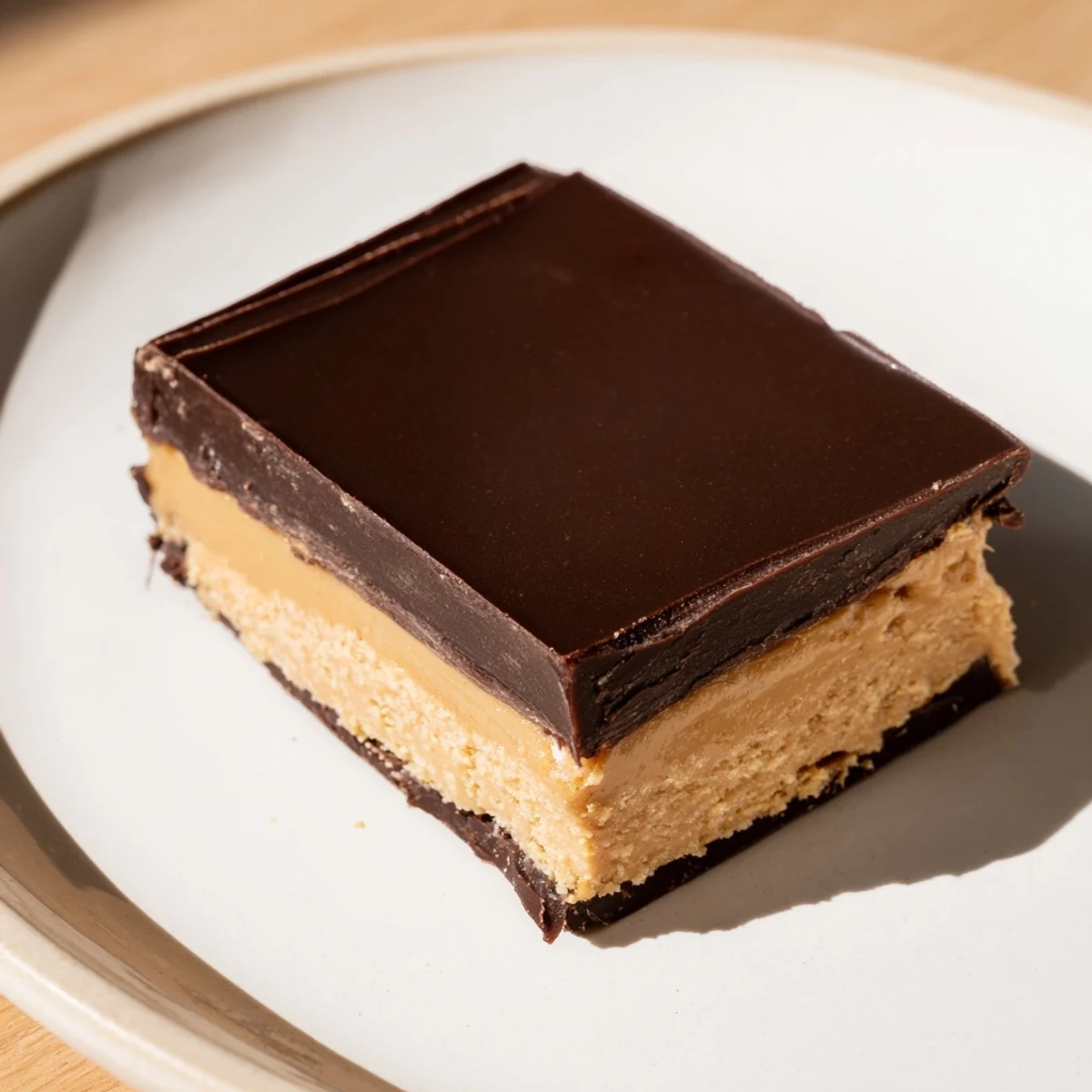
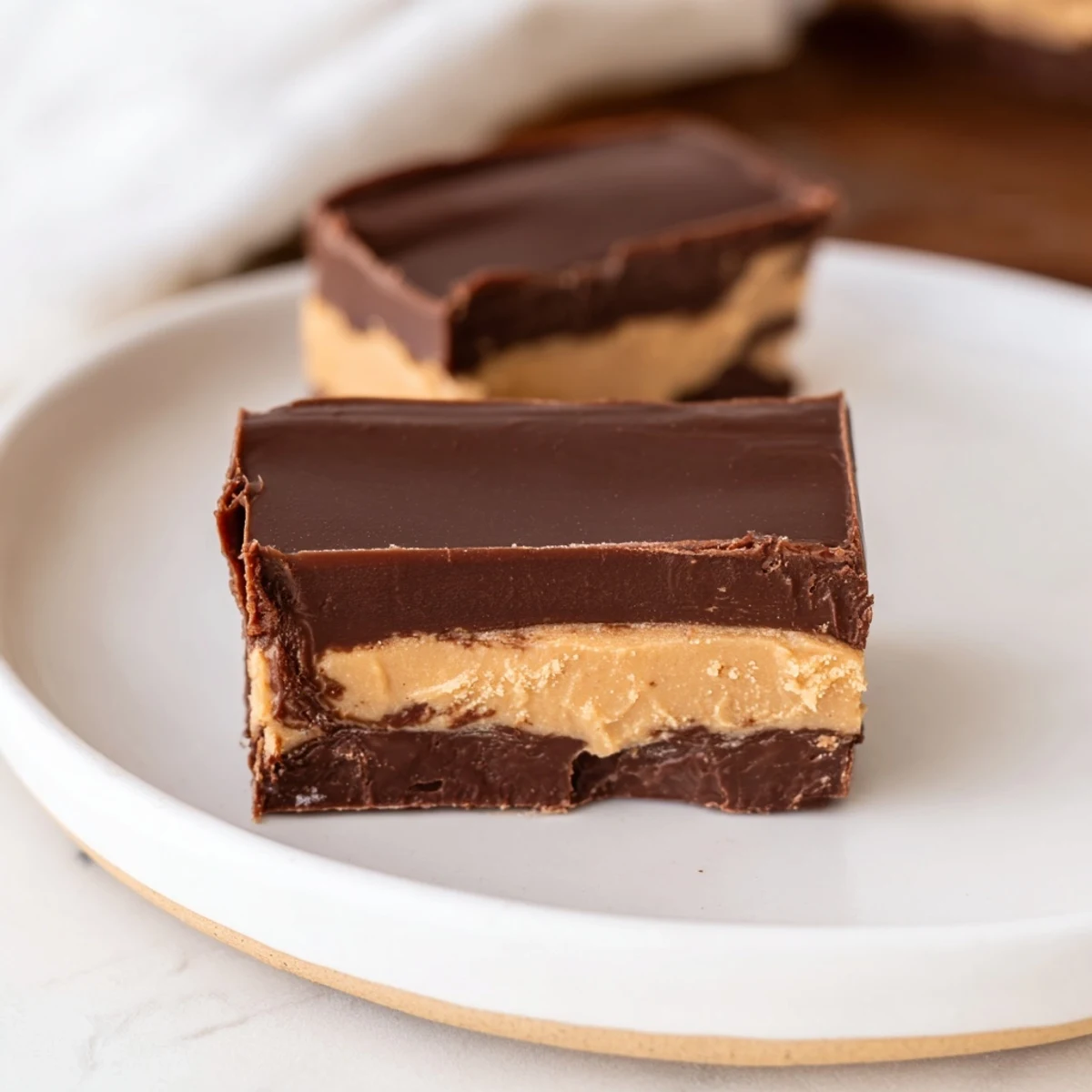
 This dessert features a smooth chocolate base topped with a creamy peanut butter layer, chilled to perfection. Combining rich semisweet chocolate, sweetened condensed milk, and vanilla, the chocolate layer melts into a velvety foundation. The peanut butter component blends creamy peanut butter, powdered sugar, and butter with a touch of salt and vanilla, complementing the chocolate's richness. Refrigerated until firm, this treat delivers intense flavor with each bite and can be tailored with added roasted peanuts or different chocolate types for texture and taste variations.
My neighbor brought over a box of homemade chocolate peanut butter fudge on a rainy Tuesday, and I remember sitting at the kitchen counter, biting into one square and thinking I'd never tasted anything so perfectly balanced—the chocolate melting into that creamy peanut butter middle like they were always meant to find each other. Years later, I finally asked for her method, and what she shared was surprisingly simple: two layers, a good 2-hour chill, and a steady hand with the knife. Now I make it whenever I want to feel like the kitchen hero, or when I need a gift that actually tastes like I cared enough to get my hands dirty.
I made this for my daughter's school bake sale last spring, and I watched a kid who swore he didn't like peanut butter take two pieces and come back for thirds—his mom was mortified, I was delighted. That's when I realized this fudge isn't about being trendy or Instagram-worthy; it's about landing exactly in that sweet spot where chocolate and peanut butter make people forget they're supposed to be polite around desserts.
Ingredients
- Semisweet chocolate chips (1½ cups / 260 g): These are the backbone—they set the tone for richness without being too bitter, but dark chocolate works beautifully if you want deeper flavor.
- Sweetened condensed milk (1 can, 14 oz / 396 g): This isn't just sweetener; it's the secret ingredient that makes the chocolate layer silky and keeps it from getting grainy as it sets.
- Unsalted butter for chocolate layer (2 tbsp): Use real butter here—it changes the mouthfeel entirely and keeps the layer from being too thick.
- Pure vanilla extract (1 tsp for chocolate, 1 tsp for peanut butter): Real vanilla matters more than you'd think; the flavor lifts everything else.
- Creamy peanut butter (1½ cups / 375 g): Go for the kind without added sugar if you can find it, since you're already adding powdered sugar.
- Powdered sugar, sifted (1 cup / 120 g): Sifting removes lumps and makes the peanut butter layer smooth enough to spread without dragging.
- Melted unsalted butter for peanut butter layer (4 tbsp): This loosens the peanut butter just enough so it spreads over the chocolate without tearing it up.
- Fine sea salt (½ tsp): A pinch cuts through the sweetness and makes everything taste more complex than it should.
Instructions
- Line and prepare:
- Cut a piece of parchment paper and press it into an 8-inch square pan, letting the edges hang over like little wings—this makes pulling the whole slab out later stupidly easy. If your pan has sharp corners, smooth them with your fingers first so the parchment sits flat.
- Melt the chocolate layer:
- In a medium saucepan, combine chocolate chips, condensed milk, and butter over low heat, stirring constantly until everything melts into glossy harmony. Add vanilla once it's off the heat, stirring it in while the mixture is still warm so it blends completely.
- Set the chocolate base:
- Pour the chocolate mixture into your prepared pan and use the back of a spoon or spatula to spread it in an even layer, working gently from the center outward. Don't press too hard—you want to level it, not bruise it.
- Make the peanut butter layer:
- In a separate bowl, combine peanut butter, powdered sugar, melted butter, salt, and vanilla, stirring until the mixture is smooth and spreadable—it should feel soft but hold its shape when you lift the spoon. If it seems too stiff, add a half-tablespoon of melted butter and mix again.
- Layer and smooth:
- Carefully spread the peanut butter mixture over the chocolate layer, using gentle pressure and a spatula to create an even surface. Take your time here; the chocolate underneath is soft and will hold an imprint if you push too hard.
- Chill until set:
- Cover the pan and refrigerate for at least 2 hours—overnight is even better because the flavors meld and the layers set firm enough to cut cleanly. You'll know it's ready when your finger leaves just a slight indent that springs back.
- Cut into pieces:
- Run a sharp knife under hot water, dry it with a cloth, then make your first cut decisively from one end of the pan to the other. The warmth of the knife glides through without dragging, so reheat the blade between every few cuts.
- Store with care:
- Layer the fudge pieces in an airtight container with parchment between the layers so they don't stick together, then refrigerate for up to a week. If you leave them on the counter, the peanut butter layer will soften—they're best served chilled anyway.
 Pin to Pinterest
 I'll never forget giving a box of this to my mom after a rough week of hers, watching her eat one piece slowly while sitting on the porch, eyes closed like she was resetting something inside. She didn't say much, just squeezed my hand—and that's when I understood that good fudge isn't just dessert, it's a small permission slip to pause.
Flavor Variations to Try
Once you've made this recipe a few times and understand how the layers work, variations become intuitive and fun. Swap the semisweet chocolate for dark chocolate if you want a deeper, less sweet flavor—or milk chocolate if you're feeding people who prefer gentle sweetness. Some people fold ½ cup of chopped roasted peanuts into the peanut butter layer for crunch, which changes the texture from silky to textured in a way that's honestly addictive. I've also tried adding a tiny pinch of espresso powder to the chocolate layer, which sounds strange but creates a mysterious depth that makes people ask what the secret ingredient is.
The Science of Why This Works
The magic here is balance: chocolate alone would be one-note, and peanut butter alone would feel flat, but together they create a flavor that's somehow bigger than the sum of its parts. The condensed milk in the chocolate layer acts as both sweetener and emulsifier, keeping the cocoa butter and sugar from separating as the fudge sets—that's why the layer stays creamy instead of turning grainy or hard. The powdered sugar in the peanut butter layer lightens the density and lets you spread it smoothly without tearing the chocolate underneath. Understanding this means you can troubleshoot if something goes wrong, or adapt the recipe to suit what you have on hand.
Serving and Storage Wisdom
Fudge is best served cold, straight from the refrigerator—the layers have texture and structure when chilled, but soften and meld together beautifully as they warm on your tongue. If you're gifting or storing, parchment between layers prevents sticking, and an airtight container keeps the fudge from picking up fridge flavors or drying out. These pieces keep for a week in the fridge, but honestly, they rarely last that long around my kitchen.
- Cold fudge holds its shape and texture better than room-temperature fudge, so don't be tempted to serve it right after making it.
- If your kitchen runs warm or you live somewhere humid, storing in the fridge is non-negotiable—the peanut butter layer will soften otherwise.
- Wrap individual pieces in small squares of parchment if you're gifting, as it keeps them from sticking and makes the whole box feel more intentional.
 Pin to Pinterest
 This fudge has a way of becoming part of your rhythm—something you make when you want to feel capable, or when you want to remind someone they matter. That's more valuable than any recipe card could ever suggest.
Recipe FAQs
- → What type of chocolate works best?
-
Semisweet chocolate chips provide a balanced sweetness and rich flavor, but milk or dark chocolate chips can be used for different taste preferences.
- → Can this be made gluten-free?
-
Yes, all ingredients used here are naturally gluten-free, making the dessert suitable for gluten-sensitive diets.
- → How long should it chill?
-
Refrigerate for at least 2 hours or until firm to ensure proper setting and easy slicing.
- → How to achieve a crunchier texture?
-
Folding chopped roasted peanuts into the peanut butter layer adds a delicious crunch.
- → What storage method is recommended?
-
Store in an airtight container in the refrigerator for up to one week to maintain freshness.