
 Pin to Pinterest
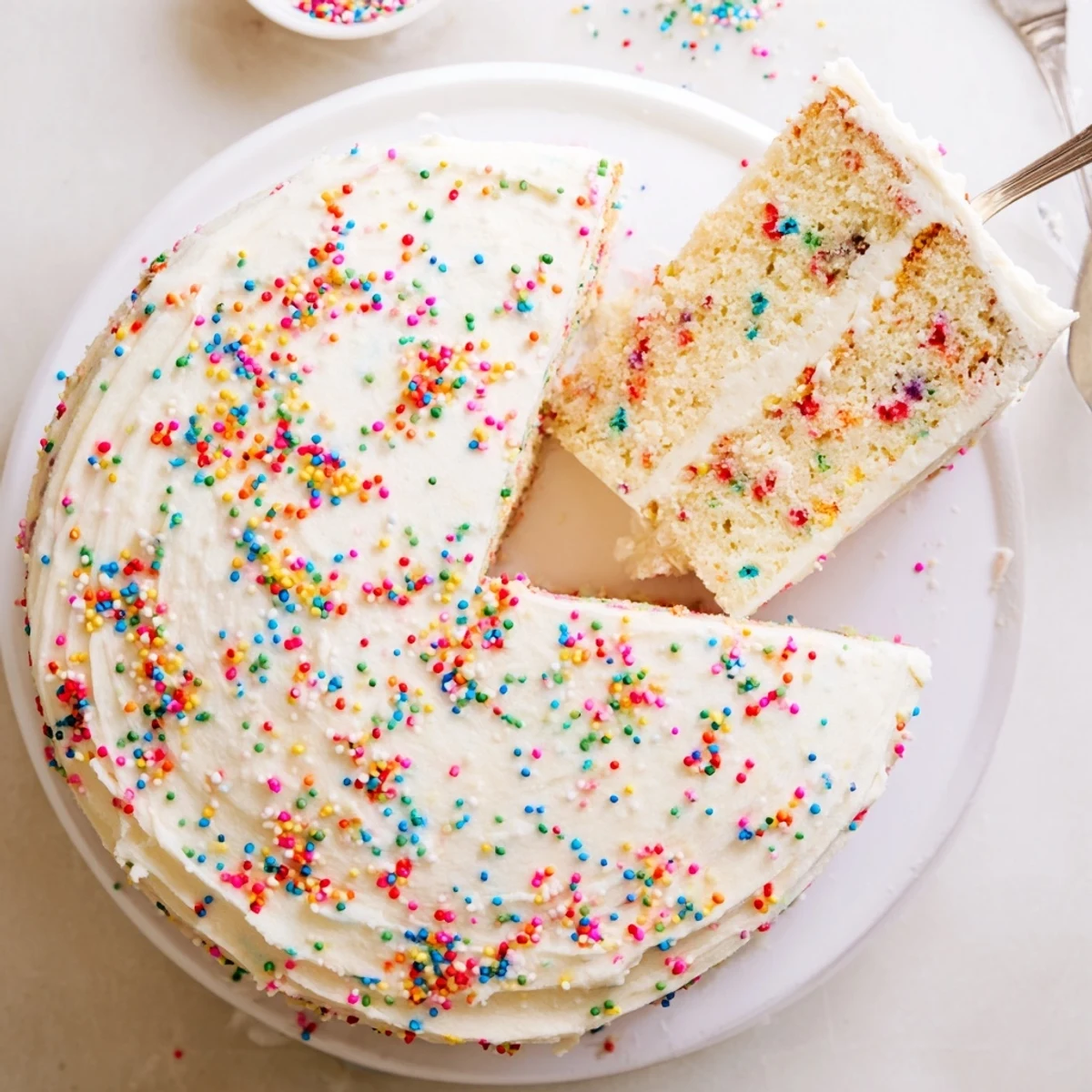
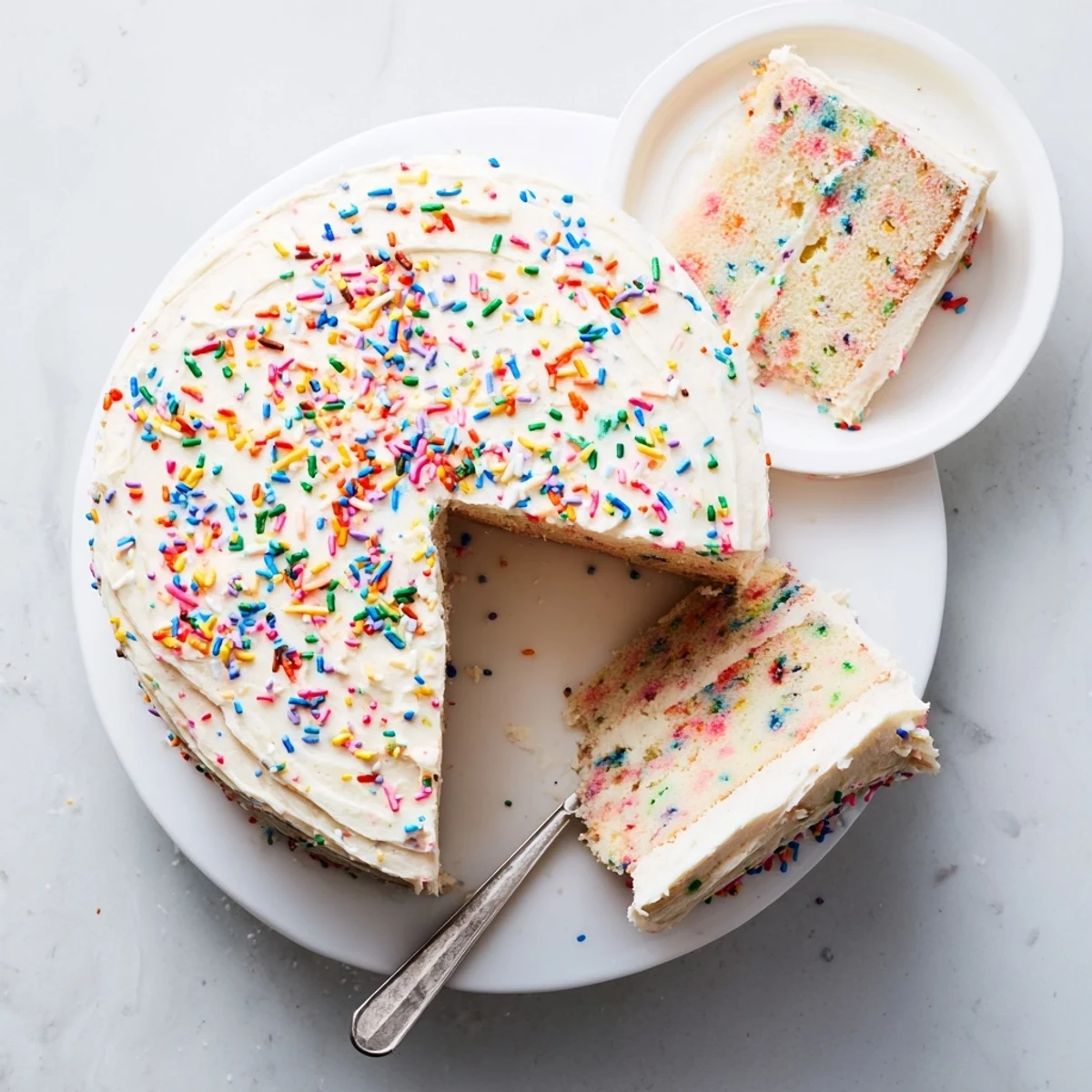
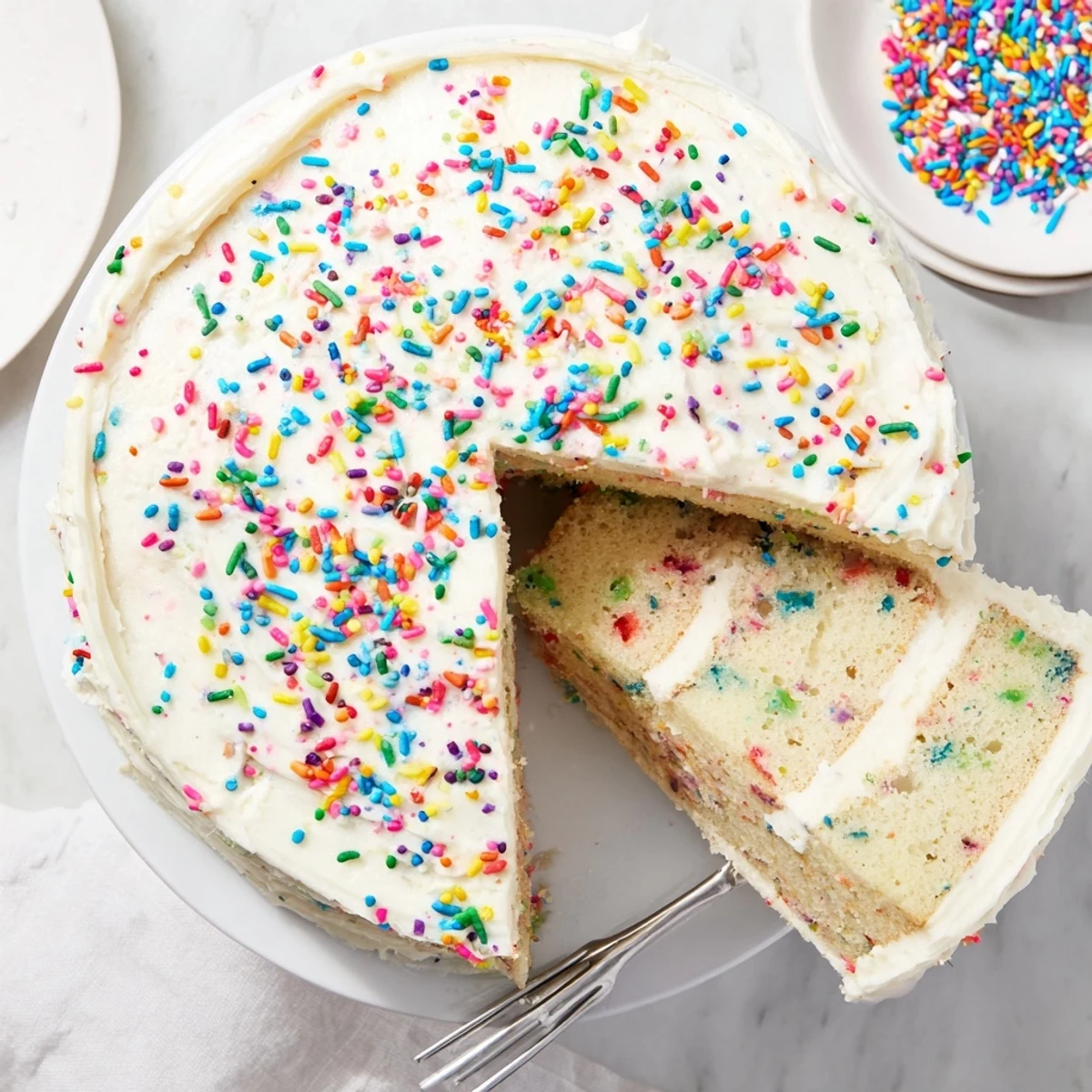
 This stunning celebration cake delivers all the joy of classic funfetti while remaining completely gluten-free. The moist vanilla crumb incorporates vibrant rainbow sprinkles throughout, creating that beloved confetti appearance when sliced. Perfect for birthday parties and special occasions, this American-style dessert bakes in just 30 minutes and yields twelve generous portions.
The buttery vanilla frosting adds rich sweetness, while the carefully selected gluten-free flour blend ensures a tender texture that rivals traditional cakes. Dairy-free adaptations are simple, making this inclusive treat accessible to various dietary needs without sacrificing flavor or festivity.
The kitchen counter looked like a confetti explosion when I first attempted this cake for my niece's birthday. She'd recently been diagnosed with celiac disease, and I was determined she wouldn't miss out on the festive joy of a proper birthday cake with all the colors and sweetness childhood deserves.
When I pulled that first cake from the oven, the dome was perfectly golden and the specks of color were visible through the surface. My niece actually cried when she saw it because she thought she'd never have a 'real' birthday cake again, and watching her face light up when she took that first bite taught me that dietary restrictions should never mean sacrificing joy.
Ingredients
- Gluten-free all-purpose flour blend (with xanthan gum): This is absolutely crucial because the xanthan gum provides the structure that gluten normally would, preventing your cake from crumbling or becoming gummy
- Granulated sugar: Creaming this with the butter creates those tiny air pockets that give the cake its tender lift
- Unsalted butter and vegetable oil: The combination gives you the flavor of butter with the moisture that oil provides—this dual fat approach is the secret to a crumb that stays soft for days
- Room temperature eggs: Cold eggs can seize the butter mixture, so letting them sit out for about 30 minutes makes all the difference in achieving proper emulsification
- Whole milk: Full-fat dairy creates a more tender cake than low-fat alternatives
- Gluten-free rainbow sprinkles: Avoid nonpareils because the tiny balls will bleed their color into your batter creating streaks instead of those perfect confetti specks
- Unsalted butter for frosting: Room temperature butter should give slightly when pressed but still hold its shape
- Powdered sugar: Sifting first prevents lumps in your frosting
Instructions
- Get your oven and pans ready:
- Preheat to 350°F and line your 8-inch pans with parchment—greasing both the pan and the paper ensures your layers release without any sticking drama
- Whisk the dry team:
- Combine your gluten-free flour, baking powder, baking soda, and salt in a medium bowl, setting it aside while you tackle the wet ingredients
- Create the creamy base:
- Beat the sugar, butter, and oil on medium-high speed for about 2–3 minutes until the mixture turns pale and fluffy—this step is worth every second of effort
- Add the eggs one at a time:
- Each egg should be fully incorporated before adding the next, then mix in your vanilla extract
- Alternate the flour and milk:
- Start and end with the dry mixture, mixing just until combined—overworking gluten-free flour can make your cake tough
- Fold in the magic:
- Gently incorporate those rainbow sprinkles by hand, being careful not to crush them or overmix the batter
- Bake until perfectly done:
- Divide batter evenly between pans and bake for 28–32 minutes, checking with a toothpick that comes out clean
- Cool completely:
- Let the cakes rest in their pans for 10 minutes before turning them out onto a wire rack—warm cake will melt your frosting into a sad puddle
- Make the frosting:
- Beat softened butter until creamy, gradually add sifted powdered sugar, then mix in vanilla, salt, and enough milk to achieve spreadable consistency
- Assemble and decorate:
- Frost between layers, cover the top and sides, and shower with extra sprinkles for that festive finish
 Pin to Pinterest
 Last year I made this for a friend who'd never had a gluten-free birthday cake before. She took one bite, closed her eyes, and told me it tasted exactly like the childhood birthday parties she remembered but thought she'd never experience again—moments like that are why I keep baking.
Making It Dairy-Free
After experimenting with several dairy-free alternatives, I've found that plant-based butter sticks work better than tub margarine for both the cake and frosting. Look for brands that specifically say they're suitable for baking, and use your favorite dairy-free milk in place of whole milk—almond and oat both work beautifully.
Storage Secrets
This cake stays perfectly moist at room temperature for two days, covered with a cake dome or wrapped in plastic. After that, move it to the refrigerator where it'll keep for up to five days, but bring slices to room temperature before serving for the best texture and flavor experience.
Serving Suggestions
Pair this with a cold glass of milk or a sparkling wine for the ultimate birthday celebration combination. I've also served it with vanilla ice cream between layers for an ice cream cake variation that had everyone at the party asking for seconds.
- Use a serrated knife to cut clean slices without dragging the frosting
- Dip your knife in hot water and wipe it clean between slices for the prettiest presentation
- Let the frosted cake sit at room temperature for 30 minutes before serving to soften the frosting slightly
 Pin to Pinterest
 Every time I make this cake, I'm reminded that celebrations are about joy and inclusion—and delicious food is always the best way to bring people together.
Recipe FAQs
- → Can I make this cake dairy-free?
-
Yes, substitute plant-based butter for both the cake and frosting, and use dairy-free milk. The texture remains excellent with these simple swaps.
- → Why should I avoid nonpareil sprinkles?
-
Nonpareils tend to bleed color into the batter during baking, creating gray streaks. Choose standard rainbow sprinkles for vibrant, confetti-like appearance.
- → How should I store leftovers?
-
Keep covered at room temperature for up to two days, or refrigerate for five days. Bring to room temperature before serving for best texture and flavor.
- → Can I freeze the unfrosted layers?
-
Wrap cooled cake layers tightly in plastic and freeze for up to three months. Thaw overnight at room temperature before frosting and serving.
- → What type of gluten-free flour works best?
-
Use a blend containing xanthan gum for optimal structure. Cup-for-cup blends designed for baking provide the most reliable results with this particular formula.
- → Why do the eggs need to be room temperature?
-
Room temperature eggs emulsify more evenly with the butter and oil, creating a smoother batter and tender crumb. This simple step significantly improves texture.