
 Pin to Pinterest
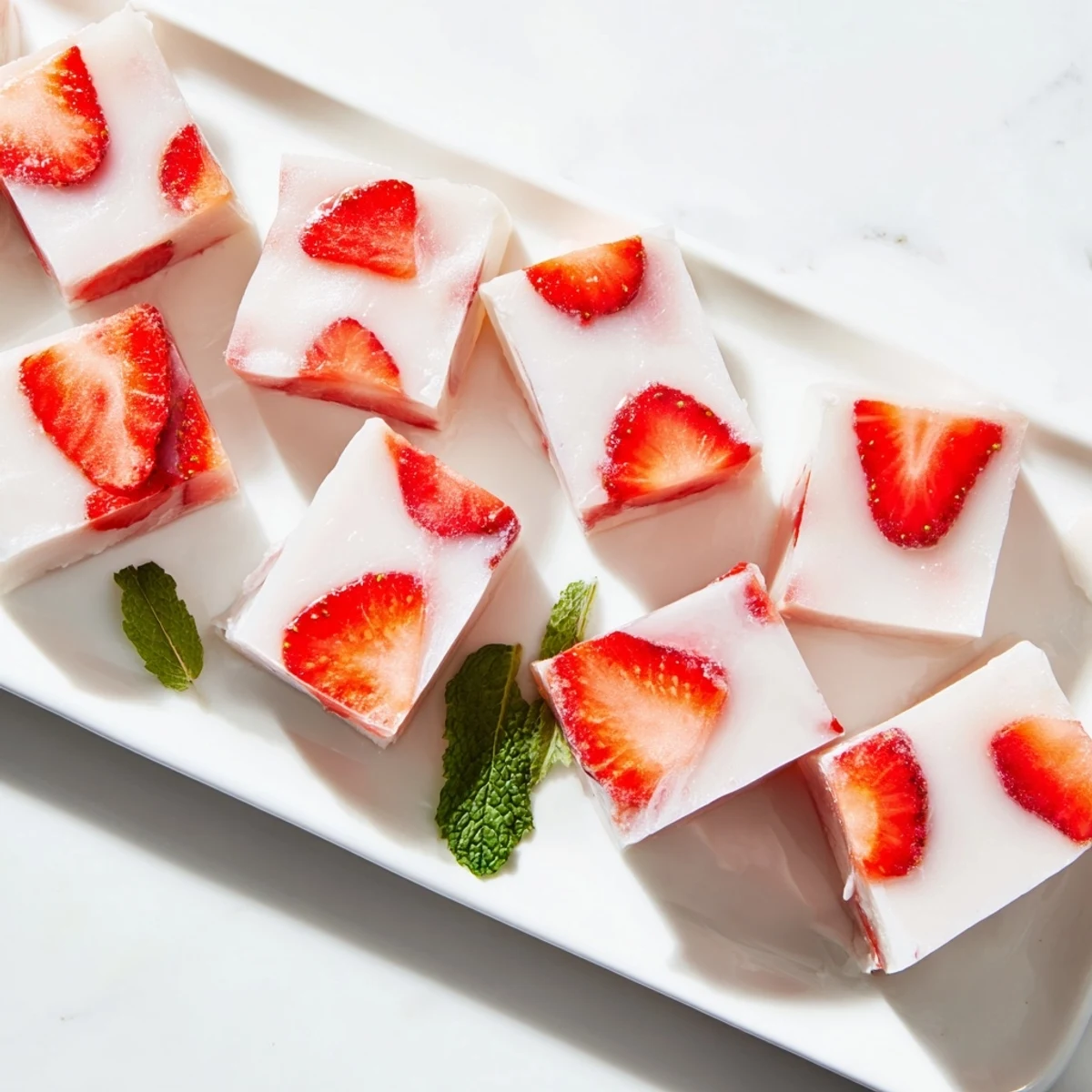
 This delicate Japanese dessert combines sweet, creamy milk yokan with fresh strawberries for a refreshing treat. The agar-agar creates a smooth, delicate texture while the vanilla adds subtle warmth. Perfect for spring or summer, this light dessert requires minimal cooking time and sets beautifully in the refrigerator. The result is an elegant, naturally sweet confection that balances the tartness of fresh berries with the gentle sweetness of milk.
The first time I encountered yokan, I was expecting something heavy and overly sweet like so many desserts. But this milk version with strawberries changed everything—it's like eating a cloud that decided to be refreshing. The way the creamy milk base suspends those ruby strawberry halves feels almost too pretty to slice into.
I brought this to a summer potluck last year, and people kept asking what restaurant I'd bought it from. Watching their faces when I explained I'd made it that morning was honestly the best part. The balance of creamy and fresh is just impossible to replicate with store-bought desserts.
Ingredients
- Fresh strawberries: Choose berries that are fragrant and slightly firm—they'll hold their shape better in the gel and won't turn mushy
- Whole milk: The fat content really matters here for that luxurious mouthfeel, though I've made it work with reduced fat in a pinch
- Granulated sugar: Don't reduce this too much or the agar won't set properly—sugar actually helps with the gel structure
- Powdered agar-agar: This seaweed-based gelling agent is what gives yokan its signature delicate wobble, much lighter than gelatin
- Vanilla extract: Pure extract makes a noticeable difference here since the flavor profile is so subtle and clean
Instructions
- Prep your berries:
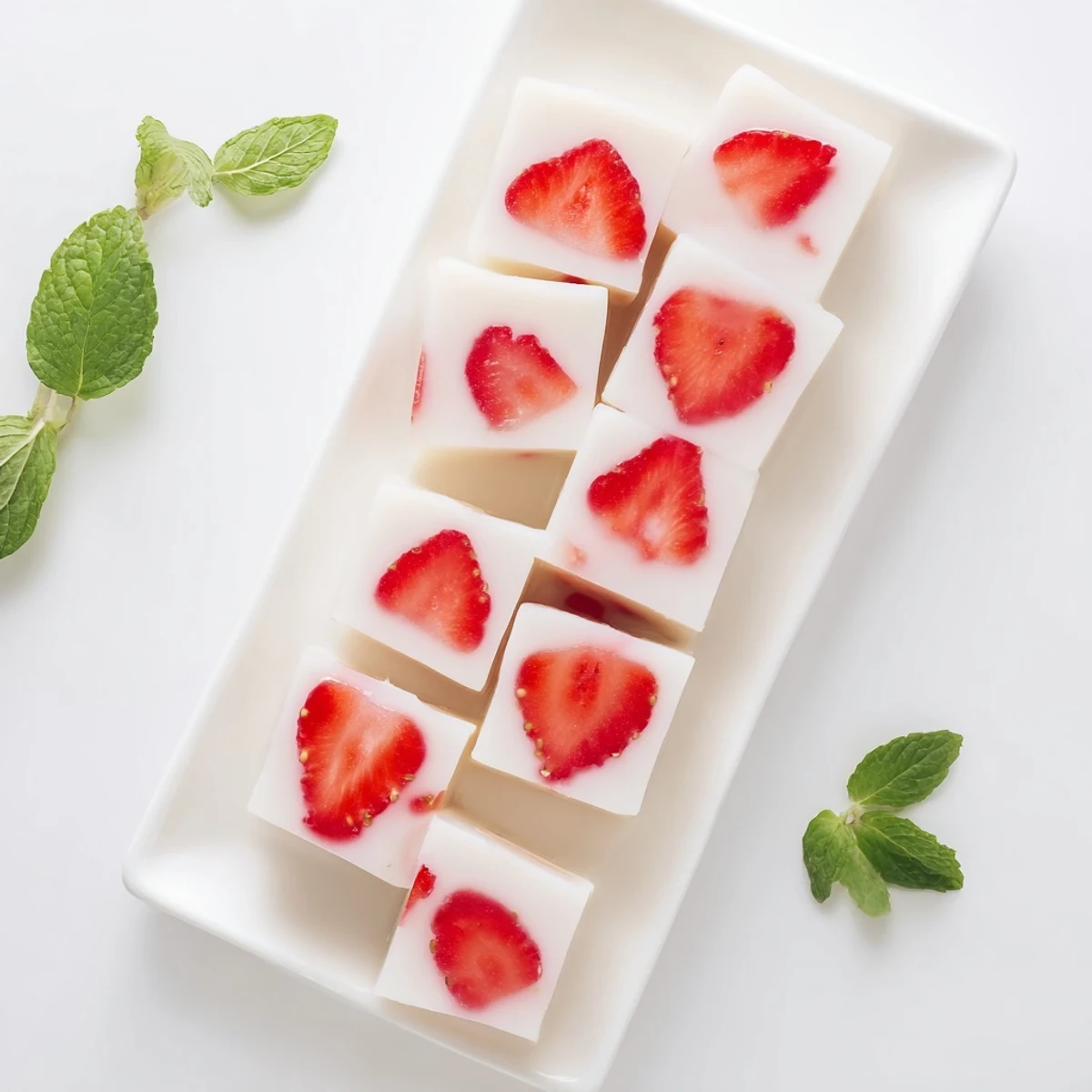
- Rinse those strawberries thoroughly, hull them carefully, and cut each one in half. Arrange them in a pretty pattern in your mold or loaf pan—face them cut-side down for the prettiest presentation.
- Make the milk base:
- Whisk together the milk, sugar, and agar-agar in a small saucepan until you can't see any powder pockets. Take your time here because undissolved agar means lumpy yokan later.
- Heat it gently:
- Place over medium heat and bring to a gentle simmer while stirring constantly. Let it bubble for exactly 2 minutes—this activates the agar fully and ensures your yokan will set properly.
- Add the vanilla:
- Pull it from the heat and stir in your vanilla extract. The mixture will smell incredibly fragrant at this point, which is how you know you're on the right track.
- Combine carefully:
- Let the milk mixture cool for about 3 minutes so it's not scorching hot, then gently pour it over those arranged strawberries. Tap the mold on the counter to release any trapped air bubbles.
- Let it set:
- Allow everything to cool to room temperature first, then refrigerate for at least 3 hours. The patience game is real here—cutting into it too early means a wobbly mess instead of clean slices.
- Serve it up:
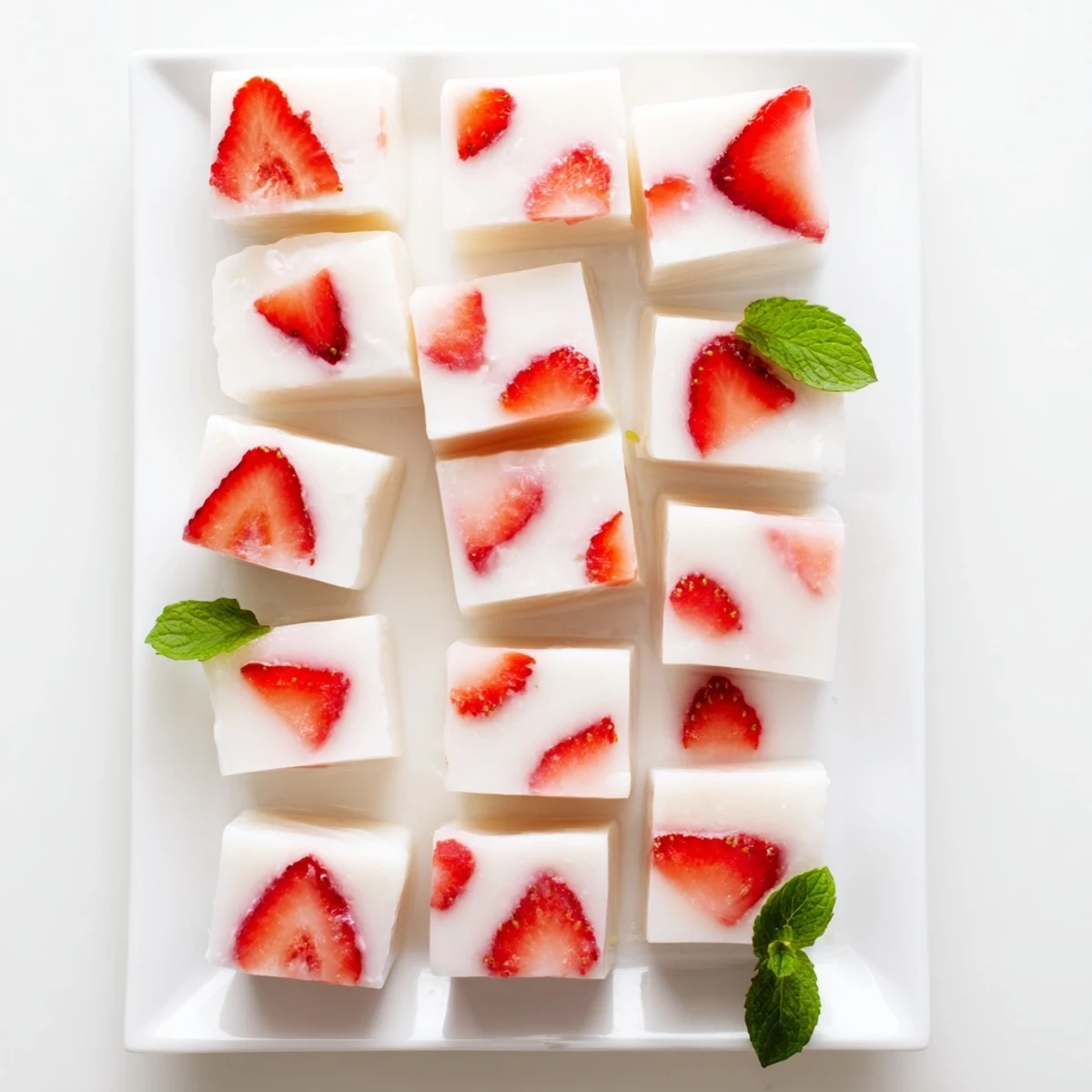
- Once fully set, unmold onto a cutting board and slice into portions. A few mint leaves on top make it look like something from a patisserie window.
 Pin to Pinterest
 My niece now requests this for every birthday celebration instead of cake. Something about the gentle wobble and fresh berries feels special without being overwhelmingly rich. It's become our spring tradition.
Making It Dairy-Free
Coconut milk works beautifully here and adds a subtle tropical note that pairs surprisingly well with strawberries. The texture becomes slightly denser but still has that lovely silky mouthfeel. Just be sure to use full-fat coconut milk for the best results.
Playing with Fruit
While strawberries are classic, I've had great success with diced peaches in summer and even segmented citrus in winter. The key is using fruit that won't release too much water and create pockets in your yokan. Berries with their skin intact work best.
Serving Suggestions
yokan is traditionally served in small rectangles, but I love using cookie cutters for special occasions to make shapes. A light dusting of matcha powder or a drizzle of sweet condensed milk takes it to another level. Consider serving with a cup of green tea for the full Japanese experience.
- Cut with a warm knife for the cleanest slices
- Let it sit at room temperature for 5 minutes before serving for the best texture
- Make extra because it disappears faster than you'd expect
 Pin to Pinterest
 There's something profoundly satisfying about a dessert that's both visually stunning and secretly simple. This yokan is my go-to when I want to impress without the stress.
Recipe FAQs
- → What is yokan?
-
Yokan is a traditional Japanese wagashi confection typically made from red bean paste, agar-agar, and sugar. This variation uses milk instead of beans, creating a creamy, delicate dessert with a smooth jelly-like texture.
- → Can I use other fruits instead of strawberries?
-
Absolutely. You can substitute strawberries with other fresh fruits like sliced peaches, mangoes, blueberries, or raspberries. Adjust the sweetness slightly if using particularly tart fruits.
- → How long does this yokan keep in the refrigerator?
-
The yokan can be kept refrigerated for up to 2 days. For best texture and flavor, consume within the first 24-48 hours. The agar-agar helps maintain the structure, but fresh strawberries may soften over time.
- → Is there a substitute for agar-agar?
-
You can use gelatin powder instead of agar-agar, though the texture will be slightly different. Use about 7g of gelatin powder. Note that this would no longer be vegetarian-friendly. Agar-agar provides the traditional, firmer yokan texture.
- → Can I make this dairy-free?
-
Yes, you can substitute whole milk with coconut milk, almond milk, or oat milk. Coconut milk will add a subtle tropical flavor and create a slightly richer texture, while almond milk keeps it lighter and more neutral.
- → Why do I need to let the milk mixture cool slightly before pouring?
-
Allowing the milk mixture to cool for 2-3 minutes prevents it from being too hot, which could partially cook the strawberries and make them mushy. It also helps prevent condensation from forming under the surface, which creates air bubbles.