
 Pin to Pinterest
 Préparez une pâte sablée fondante, laissez-la reposer 30 minutes puis cuisez-la à blanc 20–30 minutes. Réalisez une crème pâtissière vanillée en chauffant le lait, épaississez avec jaunes et maïzena, incorporez le beurre et refroidissez au contact. Garnissez la pâte refroidie de crème, disposez les fraises et nappez-les d'un mélange confiture d'abricot et eau. Réfrigérez 1 heure avant service. Variante : zeste de citron pour une touche acidulée.
Sunlight streamed through my kitchen window as I scattered flour across the countertop, the sweet, floral scent of ripe strawberries filling the air. My neighbor had dropped off a basket from her garden on an unusually warm April morning, and it was impossible not to let those berries inspire the day. Their cheerful red crowns seemed to whisper, Make something French and festive. That’s how my Tarte aux Fraises adventure began, minus pomp, just pure kitchen delight on a lazy spring afternoon.
Sharing this tart during a breezy Sunday lunch turned into a moment of unexpected laughter when my little cousin stole an errant strawberry before the first slice was even served. We all agreed it was the best kind of theft. I caught my aunt sneaking second helpings, murmuring something about “childhood summers in Provence” between bites. That’s the thing about this dessert: it always nudges people toward happiness.
Ingredients
- Farine (250 g): Choose a fine, all-purpose flour – I sift it for a crumbly and tender pâte sablée every time.
- Beurre doux (125 g), froid et coupé en dés: Cold butter is essential; it gives pastry its classic short texture – don’t overwork, use your fingertips until it looks like breadcrumbs.
- Sucre glace (80 g): I sprinkle sugar across the mixture so it dissolves evenly, ensuring a subtle, not overwhelming, sweetness.
- Œuf (1): Let it come to room temperature before using to help the dough come together smoothly.
- Pincée de sel: That hint of salt sharpens flavors and is never skipped in my doughs.
- Lait entier (500 ml): Whole milk produces a luxurious crème pâtissière – skim just doesn’t cut it here.
- Gousse de vanille ou extrait (1 c. à café): Real vanilla beans add specks and pure aroma; if using extract, stir it in after heating.
- Sucre (100 g): I learned to add it gradually, tasting the custard for sweetness you think you like.
- Jaunes d’œufs (4): Only yolks – a bit more indulgent but worth the velvety finish.
- Maïzena (40 g): Cornstarch thickens the custard quickly and without clumps if you whisk confidently.
- Beurre (30 g): Add when it’s still warm for silkiness – that’s my nonnegotiable trick.
- Fraises fraîches (500 g): Use perfectly ripe, fragrant strawberries – patted dry, never soggy.
- Confiture d’abricot (2 c. à soupe): For the glaze – it’s how French bakeries get that shine; strain if there are any bits.
- Eau (1 c. à soupe): This thins the apricot jam enough to glide it over the fruit.
Instructions
- Mix the pastry basics:
- Pile the flour, sugar, and salt into a bowl and add the cold butter – the sound of cubes hitting the bowl always feels like the start of something good. Rub together with your fingertips until the mix is sandy and uniform, with just a few pea-sized bits remaining.
- Bring in the egg:
- Add the egg, then work gently until the dough barely comes together – the less fuss, the flakier your crust will be.
- Chill and forget for a bit:
- Wrap the dough and pop it in the fridge for 30 minutes (I use that time to clean up and snack on a spare berry or two).
- Roll and shape:
- On a lightly floured surface, roll the dough into a circle a little bigger than your tart tin, then ease it in, pressing gently and trimming the edges.
- Bake to golden:
- Prick the base, cover with parchment, and weigh down with baking beans or dried beans – bake 20 minutes, then remove the beans and paper, and continue until just golden and fragrant.
- Start the crème pâtissière:
- Heat the whole milk and vanilla until steaming; meanwhile, whisk the egg yolks and sugar vigorously until pale, then stir in the cornstarch until smooth.
- Thicken and finish:
- Splash a little hot milk into the yolk mix, whisking fiercely, then return everything to the saucepan over medium heat, stirring never stopping until your custard is thick and glossy. Stir in the butter off the heat, lay plastic wrap directly on the surface, and let it cool.
- Prep the berries:
- Wash, hull, and slice or halve strawberries – arrange by size on a towel for easy assembly later.
- Assemble and decorate:
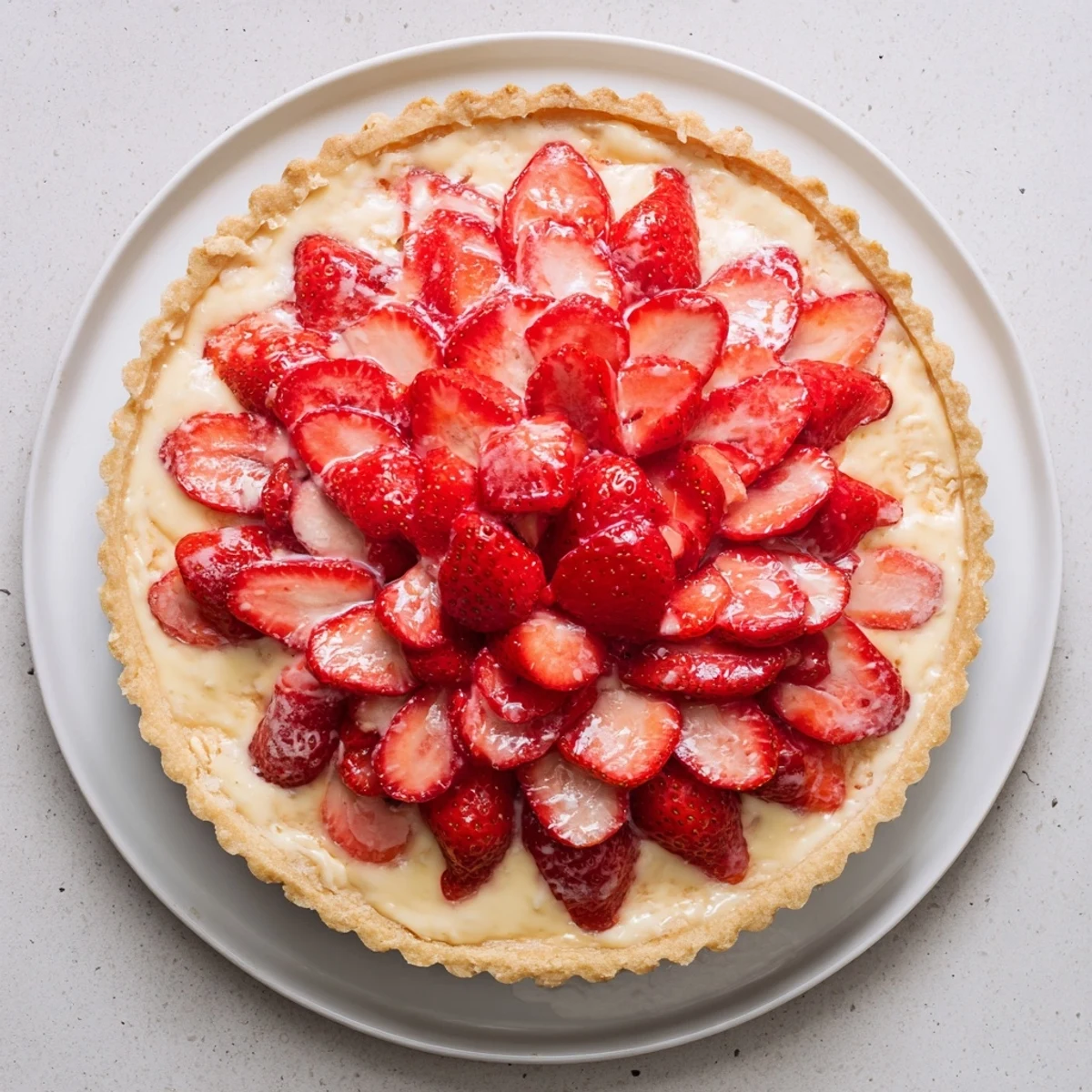
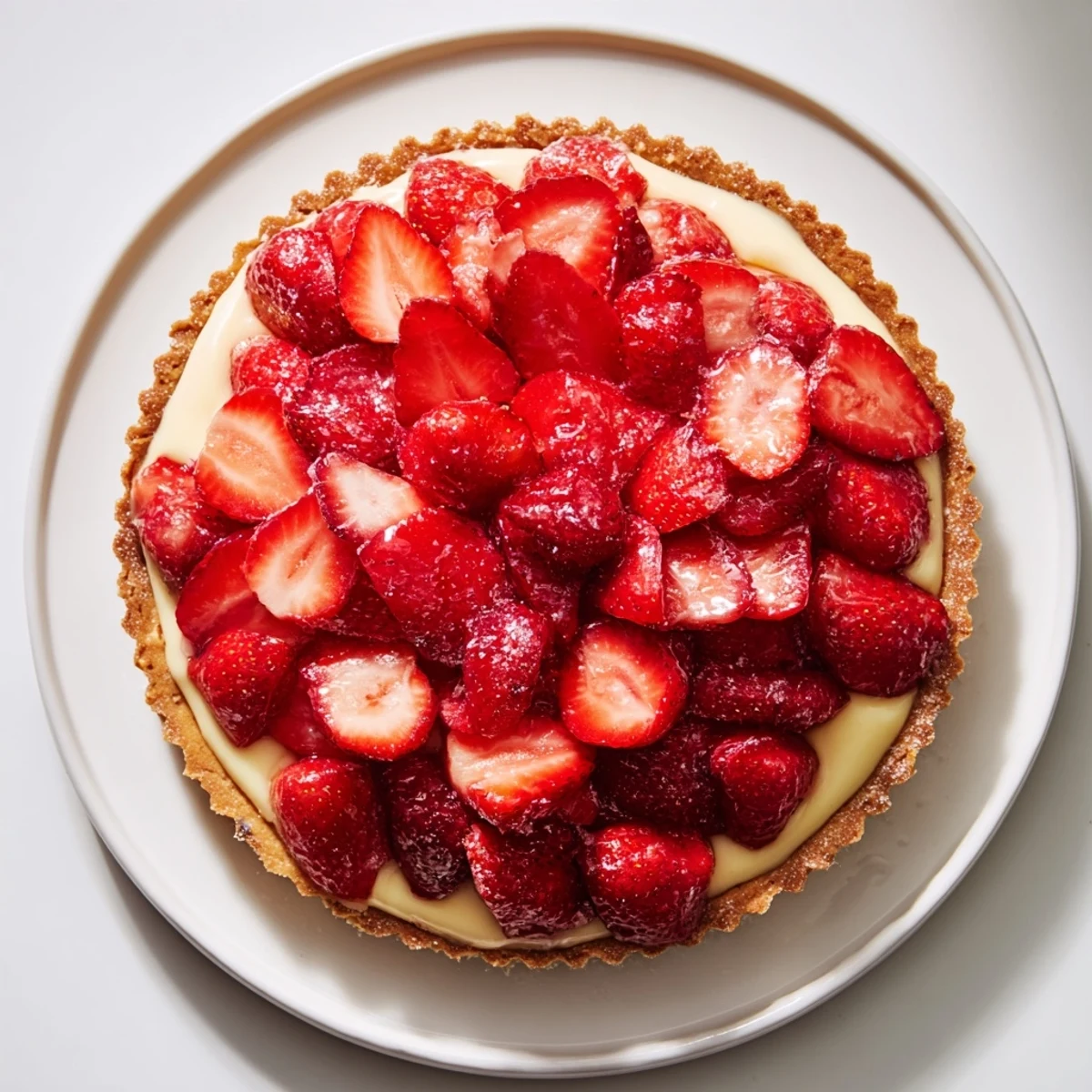
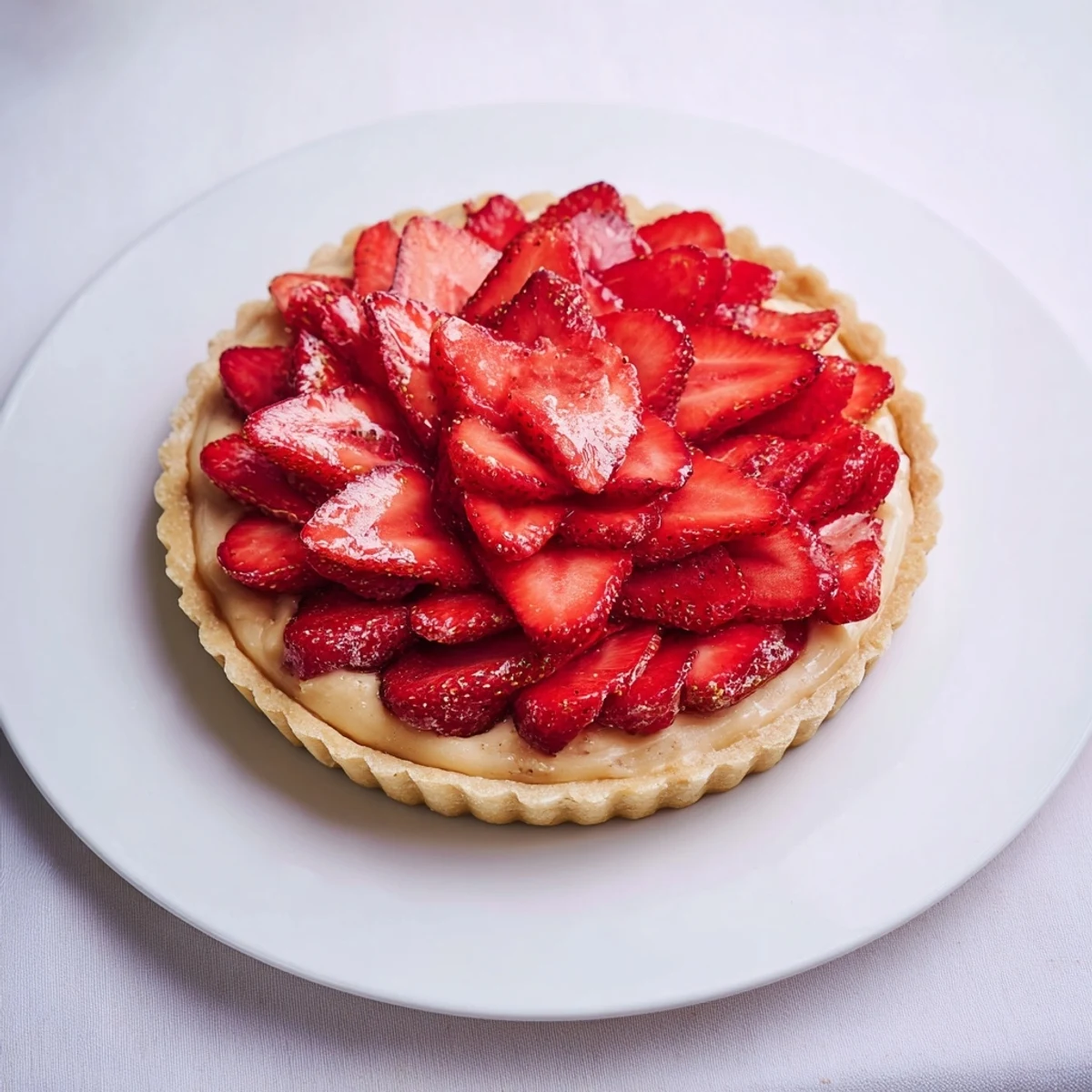
- Spread the cold cream in the tart shell, then nestle strawberries however your heart desires – spirals, mosaics, or cheerful clusters all work.
- Glaze and chill:
- Simmer the apricot jam with water briefly, then brush it gently over the fruit to give a tempting gleam. Chill your tart for at least an hour so the flavors settle and the cream sets.
 Pin to Pinterest
 It was late spring when our family’s impromptu picnic ran out of space on the blanket for savory dishes, but somehow this tart got pride of place right in the center. Even the bees hovered nearby, chasing the scent. Watching everyone reach for perfect slices made it feel like more than a dessert – almost a thank-you to the season itself.
Favorite Ways to Play with Tarte aux Fraises
Sometimes I swap a little wholegrain flour into the crust for extra nuttiness, or sneak a strip of lemon zest into the custard as it heats. Changing the fruit – say, raspberries or thin-cut kiwi – is a fun twist for unexpected guests. I’ve learned there’s no wrong way to arrange the top, even if your rows are imperfect; it still wows every time.
What to Do When Strawberries Aren’t Perfect
If your strawberries aren’t as sweet as you’d hoped, sprinkle a dusting of sugar over them and let them macerate for a few minutes before decorating. Slightly bruised berries work wonders when sliced and tucked under the prettiest ones. I once added a drop of orange blossom water to perk up a lackluster batch, and it was magic.
Easy Clean-Up and Last-Minute Advice
Line your counter with parchment before flouring so any spills are a breeze to clear. Keep a damp towel nearby for sticky fingers reached into cream. And don’t forget to hide a slice for yourself before the tart vanishes!
- Gently lift the tart from the tin using the base to keep the crust from cracking.
- Store leftovers loosely covered in the fridge for up to two days.
- Give the tart 5 minutes at room temperature before serving for the best texture.
 Pin to Pinterest
 May each slice you serve feel as sun-soaked and joy-filled as the day you baked it. Here’s to tarts that bring people together, one shiny berry at a time.
Recipe FAQs
- → Comment réussir la pâte sablée ?
-
Travaillez rapidement le beurre froid avec la farine jusqu'à obtenir un sablage fin, n'ajoutez l'œuf qu'à la fin et évitez de trop pétrir pour conserver une texture friable. Laissez reposer 30 minutes au frais pour faciliter l'étalage.
- → Comment éviter les grumeaux dans la crème pâtissière ?
-
Délayez la maïzena avec un peu de sucre et incorporez un filet de lait chaud aux jaunes avant de reverser dans la casserole. Fouettez constamment à feu moyen jusqu'à épaississement pour une crème lisse.
- → Peut-on préparer des éléments à l'avance ?
-
Oui : la pâte et la crème peuvent être préparées la veille. Conservez la pâte cuite et la crème filmées au contact au frais. Montez la tarte et ajoutez les fraises le jour même pour préserver leur fraîcheur.
- → Comment obtenir un nappage brillant sur les fraises ?
-
Chauffez légèrement la confiture d'abricot avec un peu d'eau, passez-la au tamis si besoin, puis nappez délicatement au pinceau pour un fini homogène et brillant sans détremper les fruits.
- → Quelle est la taille idéale du moule ?
-
Un moule de 24–26 cm convient parfaitement : il permet une épaisseur équilibrée de pâte et de garniture pour 8 parts.
- → Quelles variantes pour la garniture ?
-
Ajoutez du zeste de citron à la crème pour une note acidulée, parsemez de pistaches concassées ou remplacez une partie des fraises par des framboises pour varier les saveurs et textures.