
 Pin to Pinterest
 This comforting dish combines tender winter squash and crisp apples, gently spiced with cinnamon, nutmeg, and fresh ginger for warmth. Sautéed onion and garlic enrich the base, simmered in vegetable broth until soft. An optional splash of cream or coconut milk adds velvety richness, balanced by a hint of lemon juice. Perfect warming fare for cool days, simple to prepare and naturally gluten-free and vegetarian.
There's something about late autumn when the farmers market suddenly fills with those burnt-orange butternut squashes that makes me want to disappear into the kitchen for an afternoon. I discovered this soup entirely by accident one November, hunting for something warm and substantial that wouldn't feel heavy, and somehow apples made their way into the pot alongside the squash. The ginger came next—almost on impulse—and suddenly the whole kitchen smelled like I'd cracked open a spice cabinet from another season entirely.
I made this for a dinner party where I'd vastly underestimated how cold it would be outside, and one of my friends arrived practically shivering. Handing her a steaming bowl of this soup was like watching someone visibly thaw—she went from bundled-up to relaxed within two spoonfuls. That moment taught me that soup isn't really about nutrition or technique; it's about giving people permission to slow down.
Ingredients
- Butternut squash (1 medium, about 2 lbs, peeled, seeded, and cubed): This is the backbone of your soup—its natural sweetness creates that velvety mouthfeel everyone notices. Buy one that feels heavy for its size and has no soft spots.
- Apples (2 medium, such as Granny Smith, peeled, cored, and diced): Granny Smiths bring tartness that keeps the soup from tasting one-dimensional and sugary; the acidity is what makes your palate want another spoonful.
- Yellow onion (1 medium, chopped): This is your aromatic foundation—don't skip the caramelization step, even for a few minutes, because it builds flavor layers.
- Garlic (2 cloves, minced): Fresh garlic only; the jarred stuff turns bitter when simmered this long.
- Fresh ginger (1-inch piece, peeled and grated): This is the secret ingredient that transforms the soup from pleasant to memorable; ginger root loses its punch quickly, so grate it right before using.
- Vegetable broth (4 cups): Use the best broth you can find or make your own—it matters more here than in other dishes.
- Water (1 cup): This dilutes the broth just enough so the squash and apple flavors shine instead of being overpowered.
- Heavy cream or coconut milk (1/2 cup, optional): Adds richness and mouthfeel; coconut milk makes it just as silky as cream.
- Olive oil (2 tbsp): Good quality makes a noticeable difference in the final taste.
- Cinnamon (1/2 tsp ground): Warm and grounding; this is the spice that makes people say the soup tastes like autumn.
- Nutmeg (1/4 tsp ground): A whisper of nutmeg prevents the cinnamon from becoming too one-note.
- Salt and black pepper (to taste): Season at the very end when you can taste the full picture.
- Lemon juice (1 tbsp fresh): This is the equalizer that brightens everything and keeps the soup from tasting flat.
Instructions
- Warm your base:
- Heat the olive oil in a large pot over medium heat and add your chopped onion. Let it cook for 3 to 4 minutes until it turns translucent and starts to smell sweet rather than sharp—this is the moment when you know the garlic will follow properly.
- Build the aroma:
- Stir in the minced garlic and grated ginger, cooking for about a minute until the kitchen fills with that distinctive warm scent. You'll know you're done when the rawness leaves the garlic and it becomes fragrant instead of pungent.
- Add your vegetables and fruit:
- Tip in the cubed butternut squash and diced apples, stirring occasionally for 5 minutes to let them release their natural juices and start breaking down slightly. Don't worry about browning them; this is just a gentle warm-up.
- Season with warmth:
- Sprinkle in the cinnamon and nutmeg, stirring until every piece is coated. Take a moment to smell this stage—you're creating the aromatic foundation that your taste buds will remember.
- Simmer into softness:
- Pour in the vegetable broth and water, bring everything to a boil, then reduce the heat, cover, and let it simmer for 20 to 25 minutes until the squash and apples fall apart at the touch of a wooden spoon. The longer you cook it, the more the flavors marry together.
- Blend into velvet:
- Remove from heat and use an immersion blender to purée the soup until completely smooth, or carefully transfer it in batches to a countertop blender if that's what you have. Work in sections if needed—there's no rush and no shame in being cautious with hot liquid.
- Finish and season:
- Stir in your cream or coconut milk (if using), then taste carefully before adding salt, pepper, and lemon juice. The lemon juice is the final touch that lifts every other flavor and makes people say, "What is it about this soup?"
- Serve with intention:
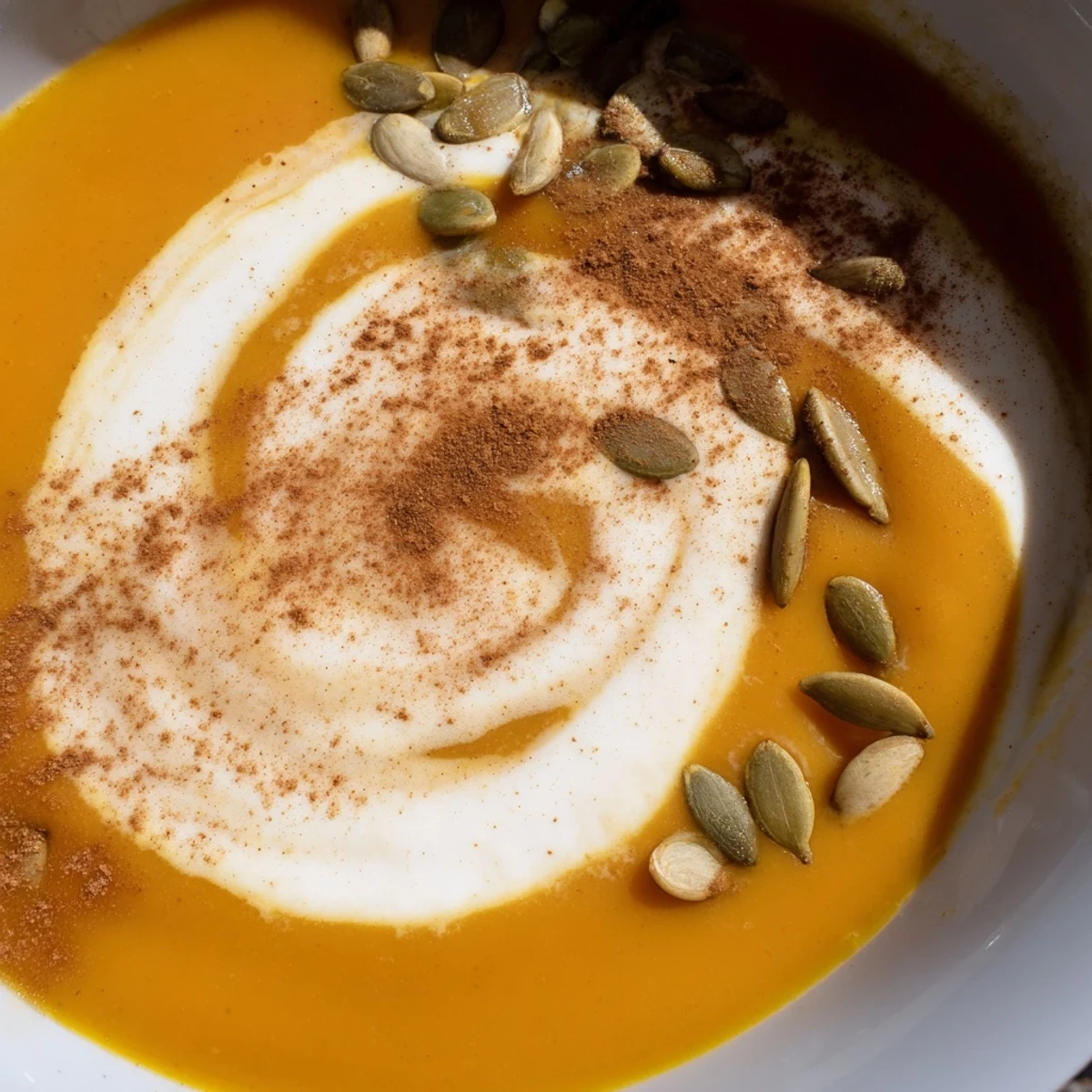
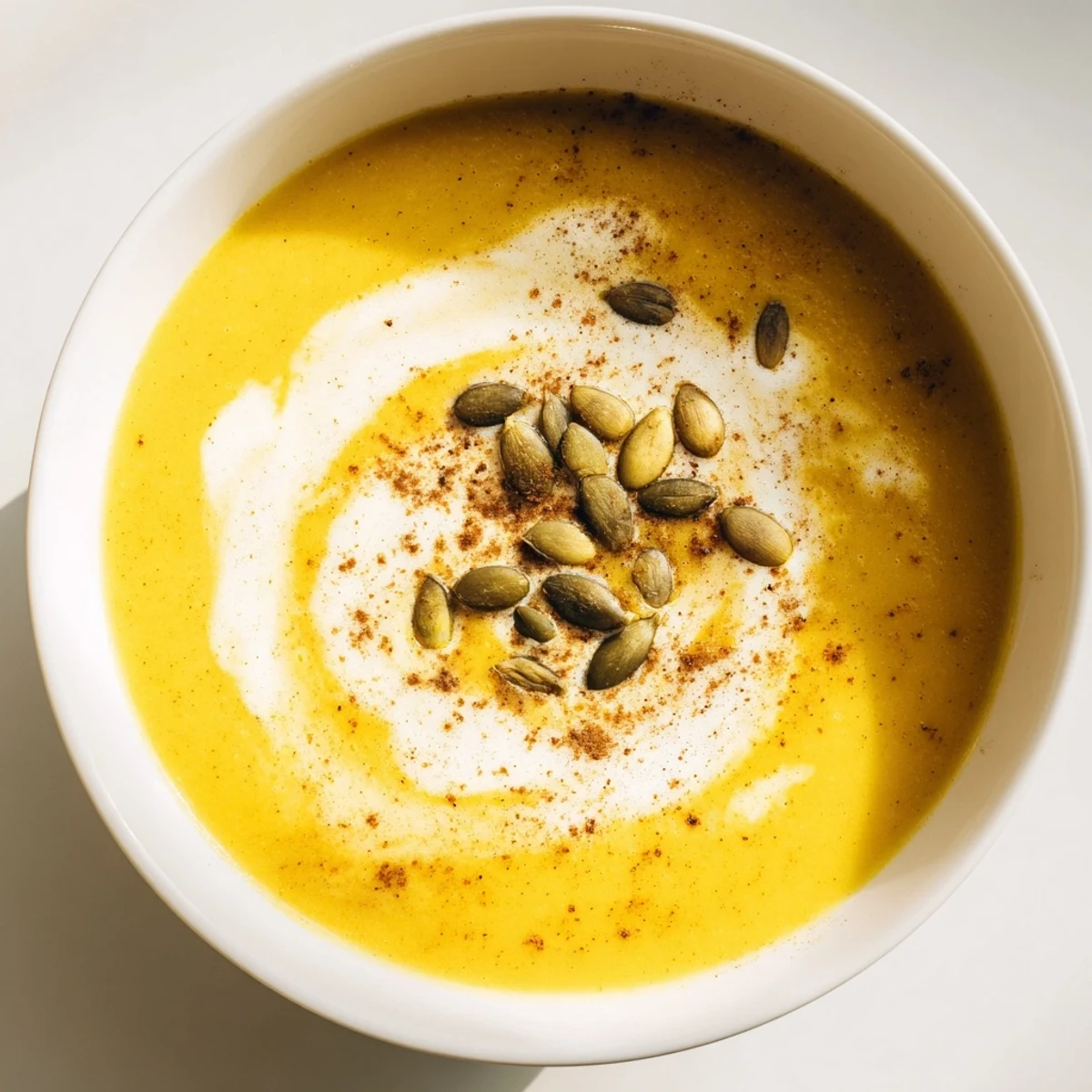
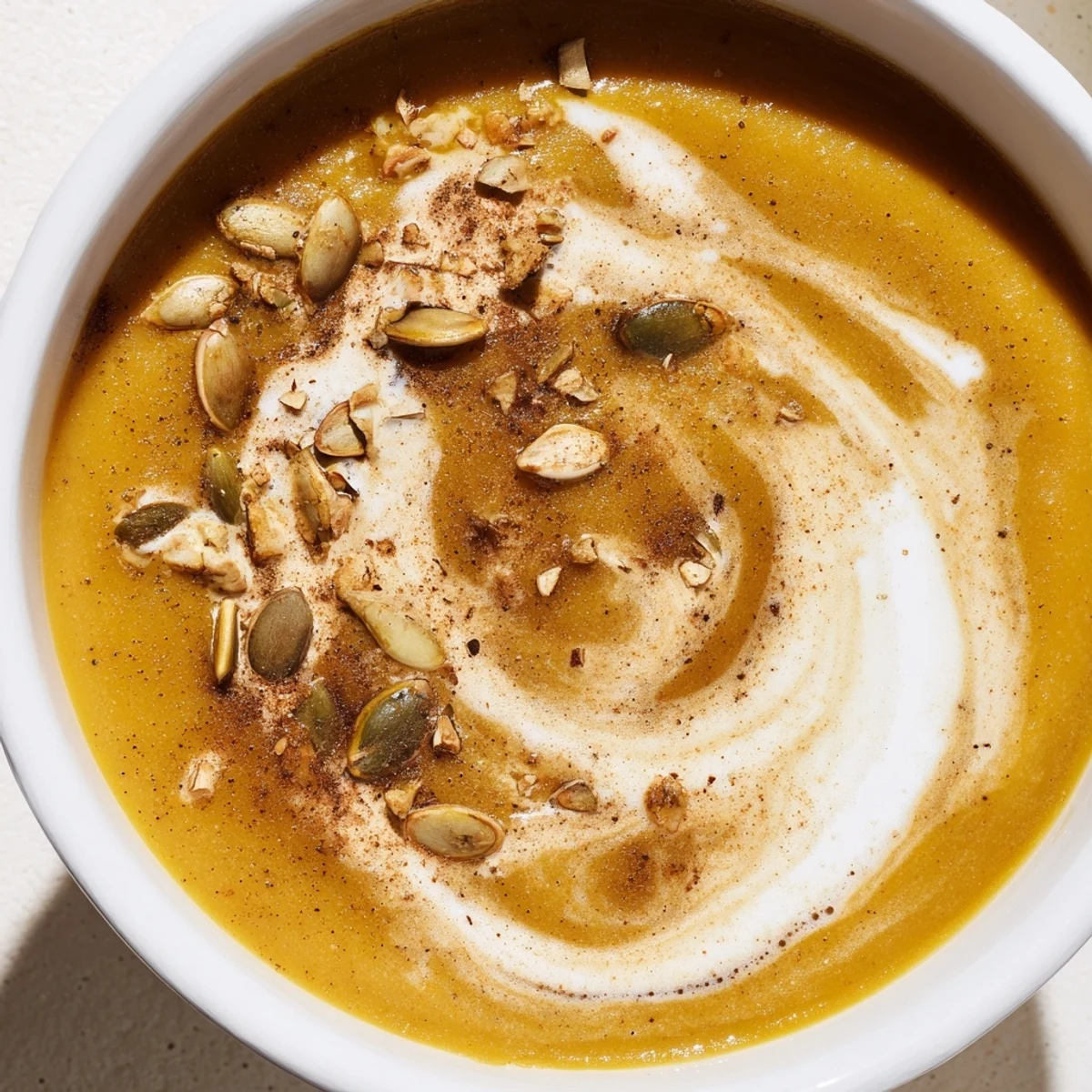
- Ladle into bowls and, if you want, add a swirl of cream, a pinch of cinnamon, or some toasted pumpkin seeds on top. These small garnishes turn a bowl of soup into something people want to photograph and remember.
 Pin to Pinterest
 A friend who usually orders takeout every night came over and told me this soup was the first homemade thing she'd asked for seconds of in years. That conversation shifted something for me—it reminded me that cooking isn't about impressing anyone, it's about making something so genuinely good that people relax enough to enjoy being fed.
Why Squash and Apple Work Together
When you cook butternut squash long enough, it becomes almost floral—there's an underlying sweetness that can tip toward cloying if left unchecked. Apples, especially tart ones like Granny Smith, cut through that sweetness with their own acidity and add a subtle tartness that makes your mouth want to take another bite. Ginger amplifies this effect, waking up your palate so the flavors feel bright rather than muted. This combination is why you don't need heavy cream to make the soup feel luxurious; the fruits and spices do that work for you.
Variations That Actually Work
The first time I tried this with delicata squash instead of butternut, I expected the soup to taste lighter, and it did, but I also noticed the apple flavor came through much stronger because delicata has less assertive sweetness. Kabocha squash makes the soup earthier and denser, almost like autumn in a bowl. If you're cooking for vegans, coconut milk transforms the soup into something with almost the same richness as cream—honestly, I sometimes prefer it. For a gentle heat, add a tiny pinch of cayenne pepper at the very end; the warmth sneaks up on you and makes the spices more interesting.
Pairing and Storage
This soup wants crusty bread, the kind where you can soak up every last bit from your bowl without apology. A crisp white wine like Sauvignon Blanc sits perfectly alongside it, or keep it simple with just good bread and butter. Leftovers last about 4 days in the refrigerator and freeze beautifully for up to 3 months—the flavors actually deepen after a day, so this is a soup that gets better as it sits.
- Make extra on a weekend and freeze it in portions so you have instant warmth on hand for difficult mornings.
- If your soup thickens too much when refrigerated, just stir in a splash of broth or water when you reheat it.
- Don't skip the fresh lemon juice even if you're reheating—add it fresh each time you serve a bowl.
 Pin to Pinterest
 This soup has become the thing I make when I want to feel grounded, or when someone I care about needs feeding and comfort at the same time. That's really what matters.
Recipe FAQs
- → Can this dish be made vegan?
-
Yes, substitute coconut milk for cream or omit dairy entirely for a vegan-friendly version.
- → What types of squash work best here?
-
Butternut is ideal, but delicata or kabocha squash make excellent alternatives.
- → How can I add a spicy kick?
-
A pinch of cayenne pepper stirred in will provide gentle heat while complementing the warming spices.
- → Can this be prepared ahead of time?
-
Yes, it stores well refrigerated and flavors deepen after resting overnight.
- → What garnishes enhance the flavors?
-
Try a swirl of cream, a sprinkle of cinnamon, or toasted pumpkin seeds for texture and aroma.